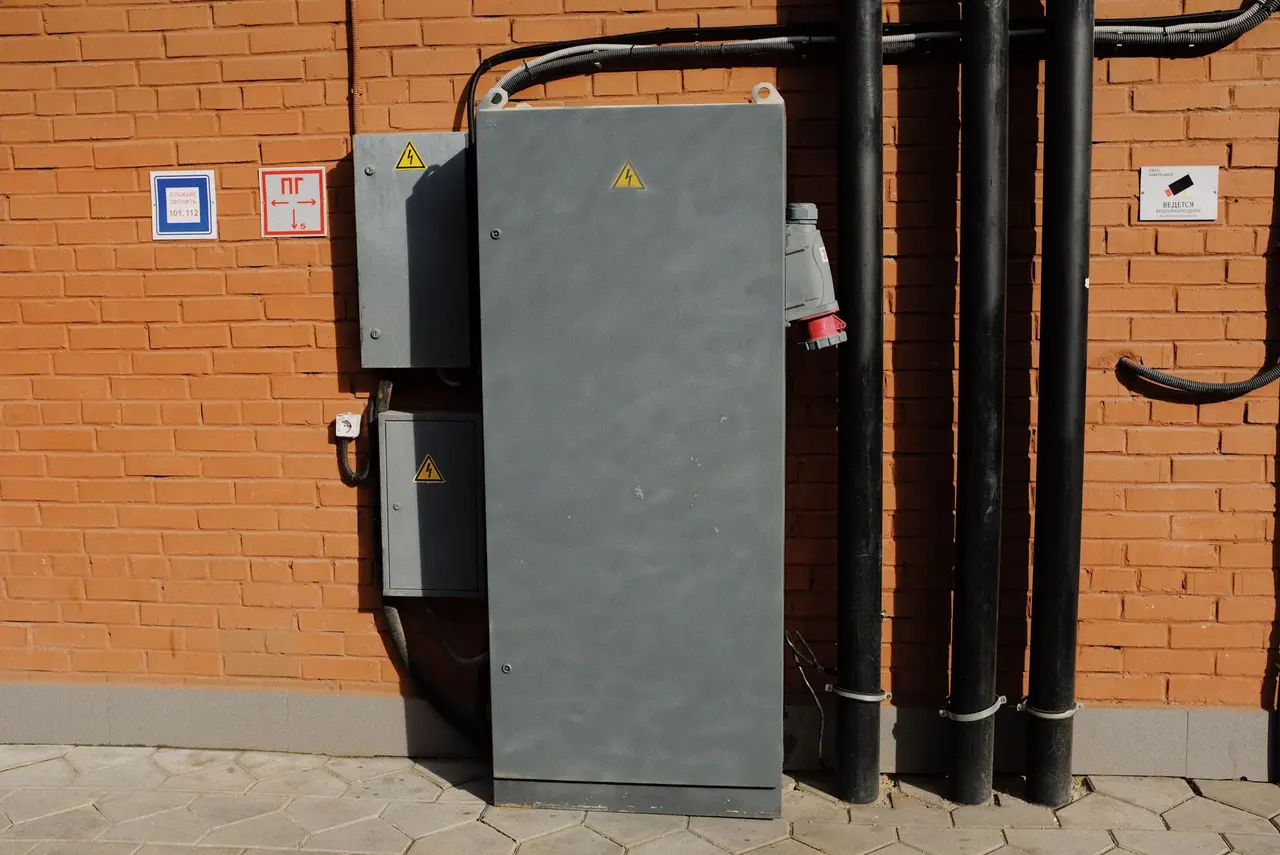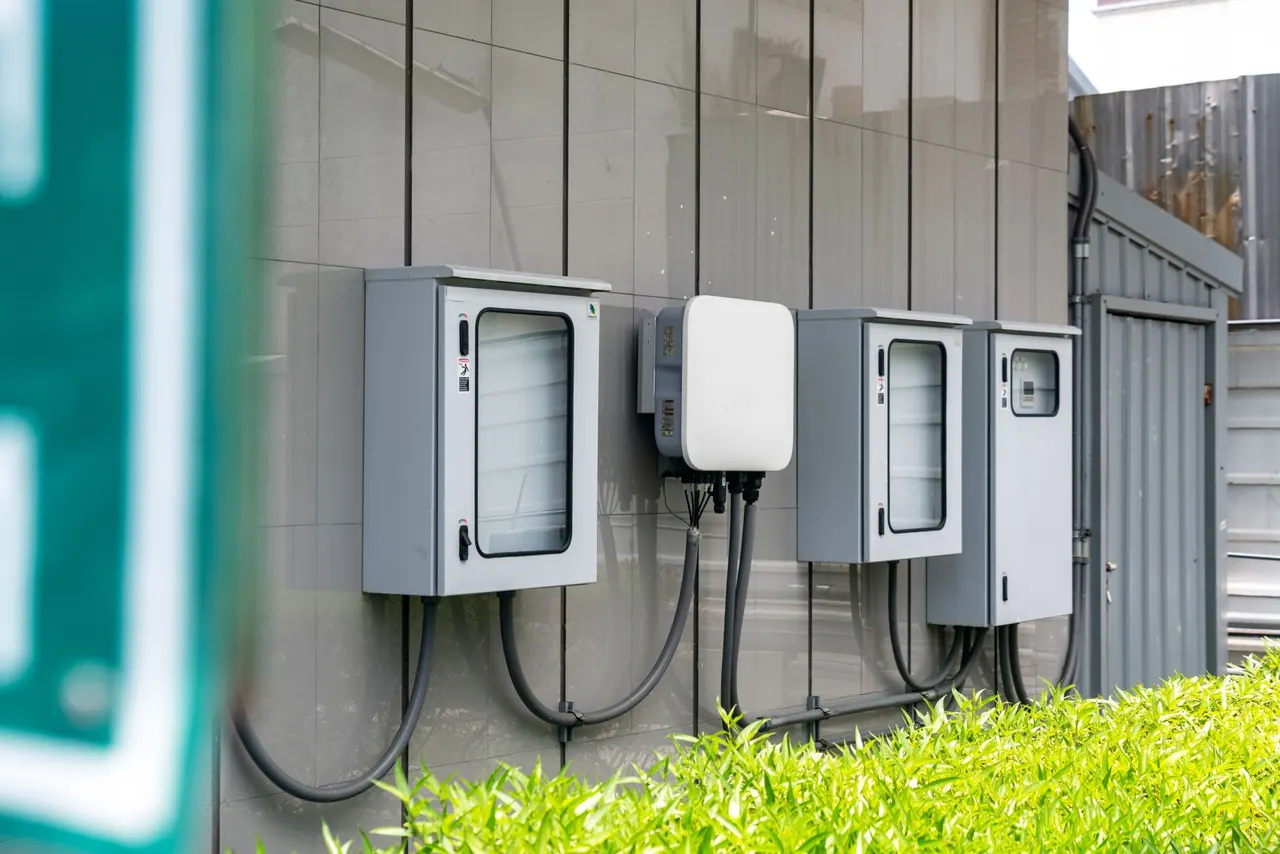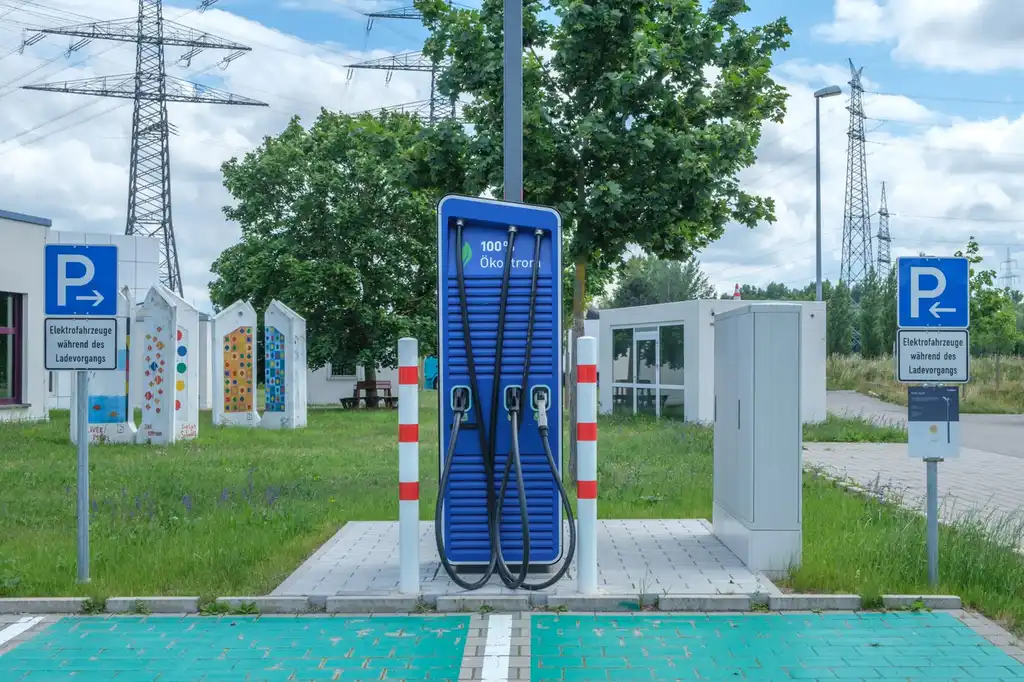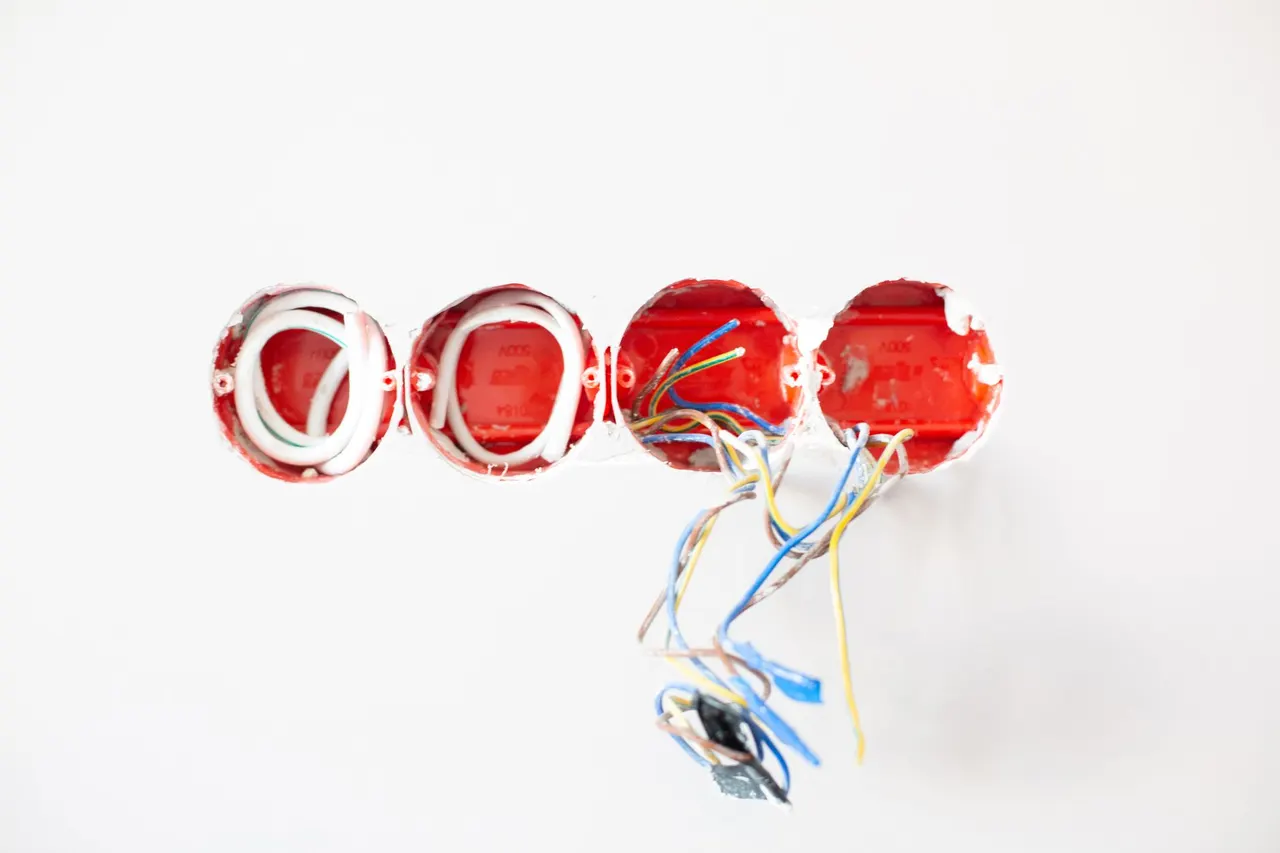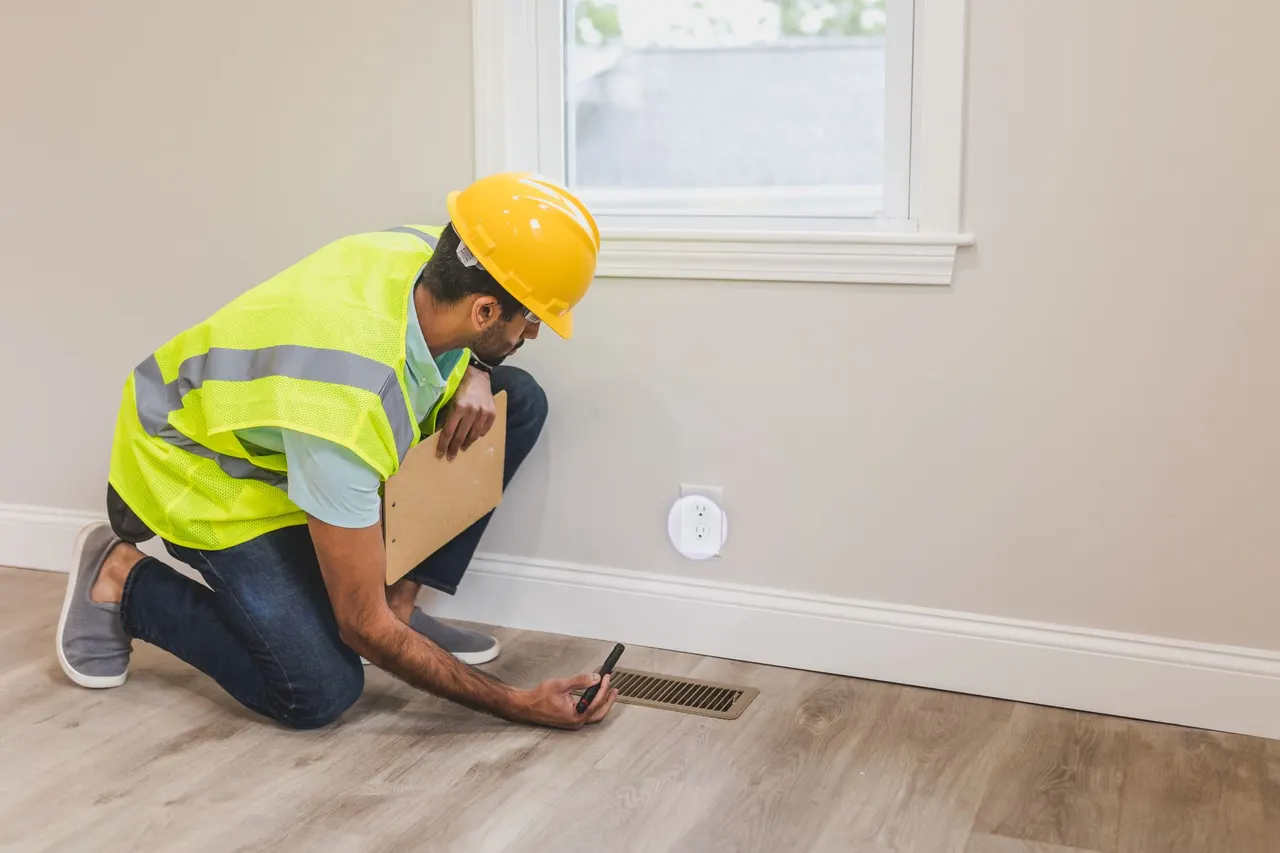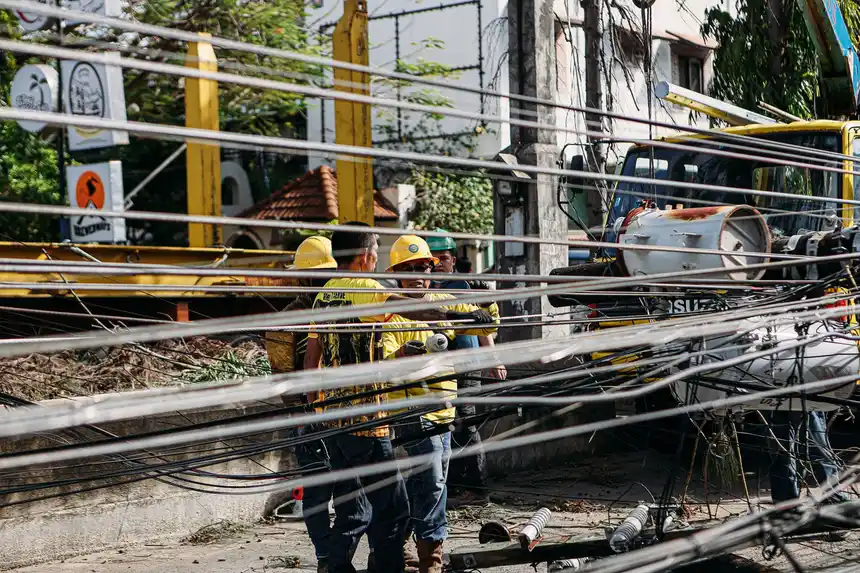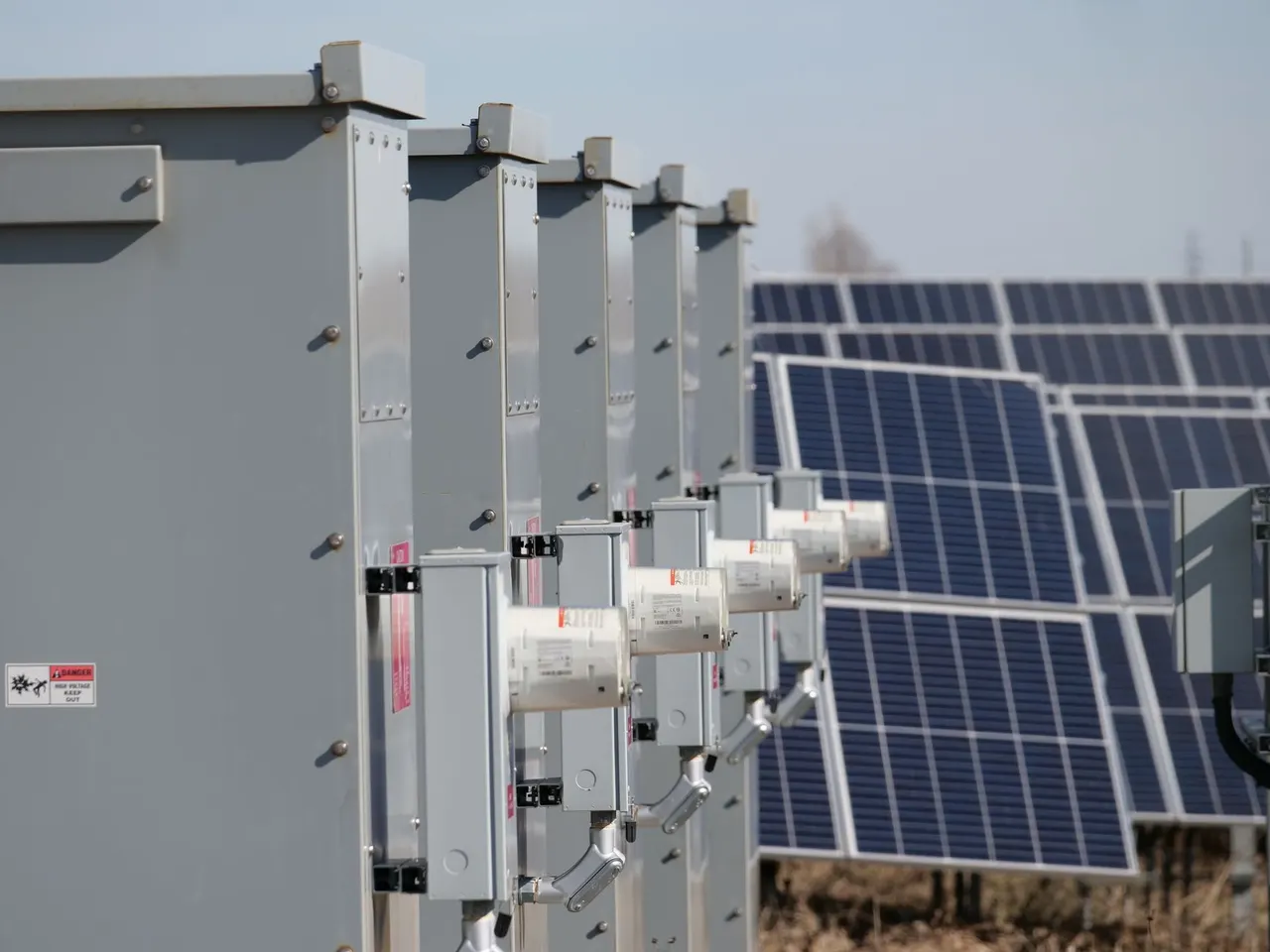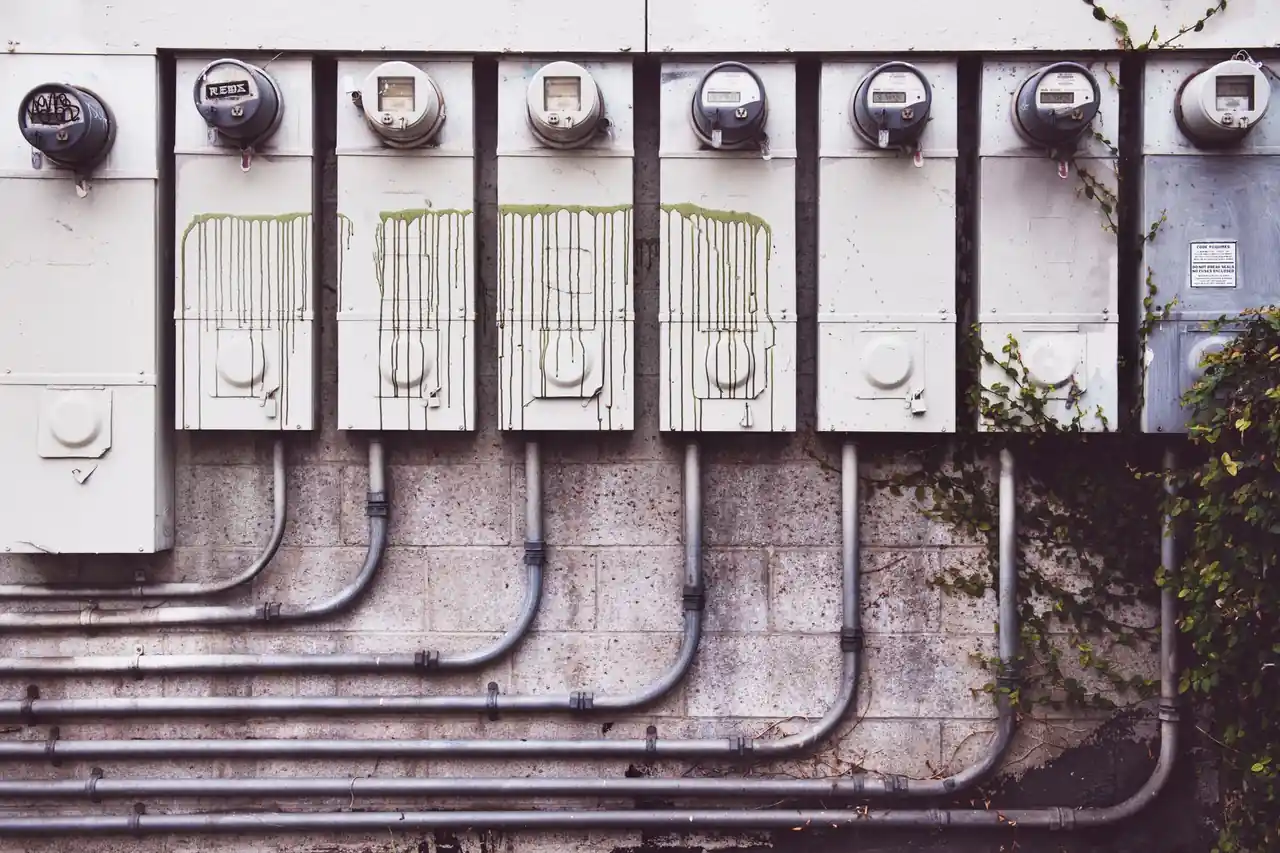
For homes
Homes lose power in storms and portable generators need a safe connection point. We size the switch to your panel and your backup load.
- Portable generator hookup
- Standby generator transfer
- Fuse box replacement first
When the grid drops, a transfer switch keeps your generator from backfeeding the utility lines and your family safe. Our team handles transfer switch installation Rocky Mount NC homeowners and businesses trust, from panel inspection to final testing. We work with Square D, Eaton, and Siemens gear, pull the permit, and walk you through every step. Call (252) 809-7893 for a same-day estimate.
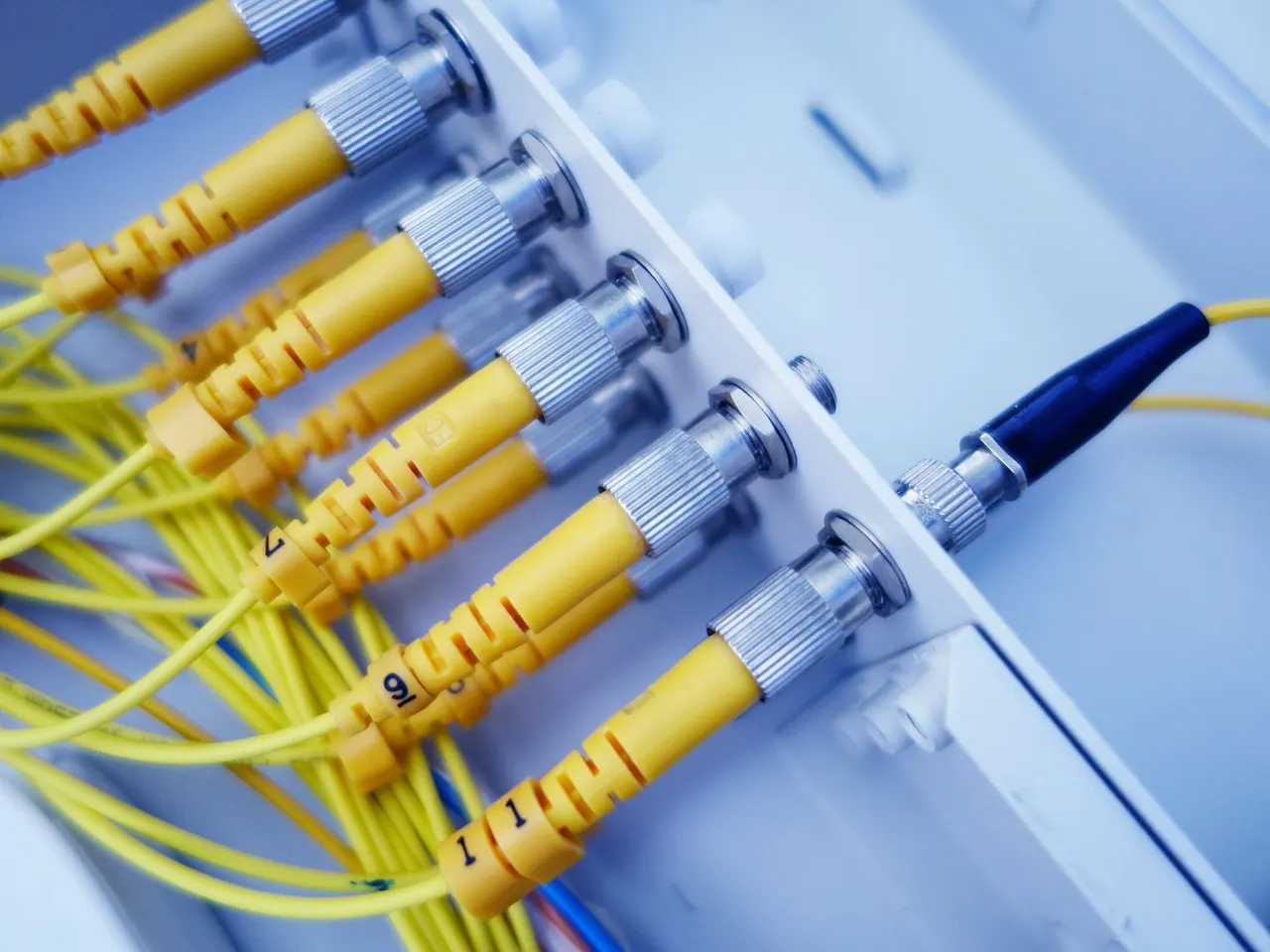 Panel inspectionLoad sizingInterlock test
Every install starts with a panel inspection and ends with a load test. Here is what is covered in a standard residential or light commercial transfer switch job, and what we quote separately if your panel needs more work first.
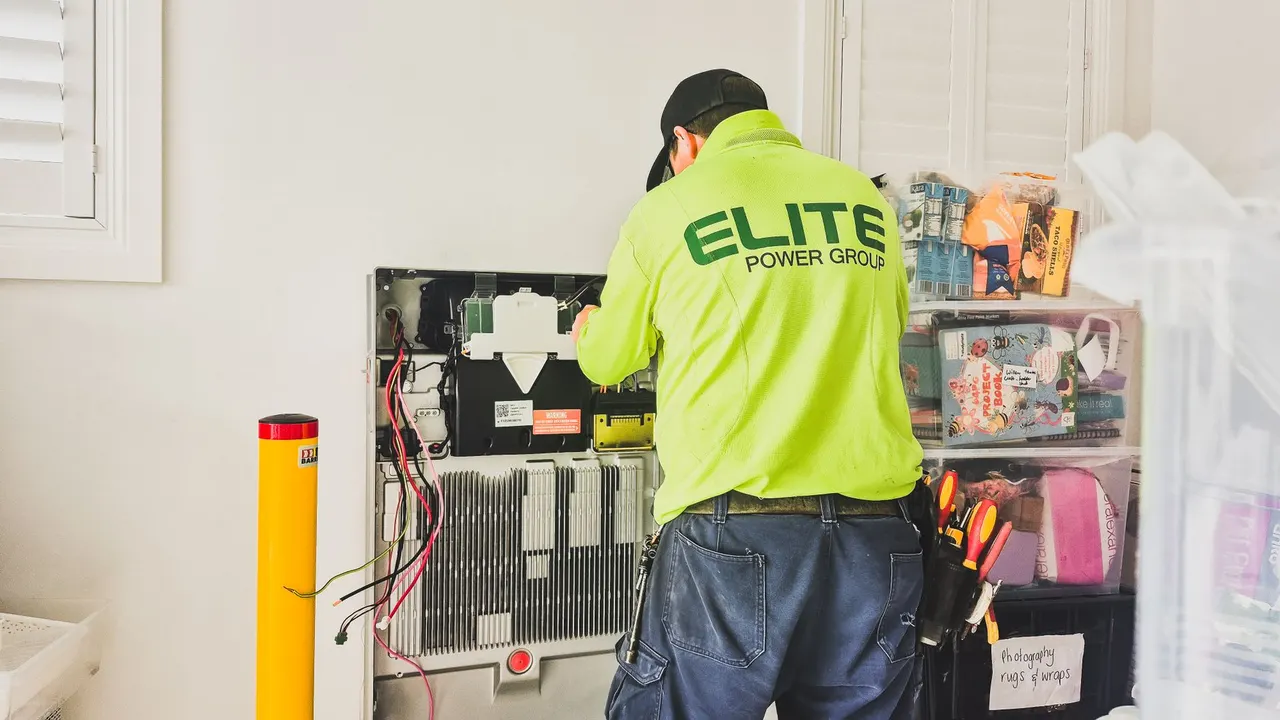
We open the panel, check available breaker spaces, verify service amperage, and look for heat damage, rust, or double-tapped breakers. This tells us whether the switch can mount directly or whether a subpanel or panel upgrade comes first.
We mount the transfer switch within code distance of the meter or main panel, run feeder conductors through conduit, and land neutrals and grounds on a verified bus. Every lug is torqued to the manufacturer spec with a torque screwdriver.
We land the generator or solar inverter feed on the switch terminals, match conductor sizing to the unit nameplate, and install the appropriate inlet box or hardwired connection. Portable generator inlets get a weatherproof cover and a labeled cord rating.
We verify the mechanical interlock prevents utility and generator power from ever meeting, then label the switch, the main breaker, and every backed-up circuit. Anyone in the household can operate it without a phone call to us.
We pull the electrical permit, schedule the Nash County inspection, and meet the inspector on site. If anything is flagged, we correct it and get the job signed off so you have documentation for insurance and resale.
We start the generator, transfer the load, and watch voltage with a clamp meter under real draw. Then we switch back to utility power and confirm the interlock holds. You get a short operating lesson and a labeled panel before we leave.
The approach is the same for a home and a business. What changes is the access, the schedule and who needs the paperwork.
Homes lose power in storms and portable generators need a safe connection point. We size the switch to your panel and your backup load.
Businesses lose inventory and sales when the grid drops. We install switches that carry refrigeration, servers, and point-of-sale systems.
A plain-language look at what Transfer Switch Installation involves and when it is needed.
See how it worksTransfer switch installation Rocky Mount NC is the process of mounting, wiring, and testing a switch that moves your home or business power source between the utility grid and a backup generator or solar system. We start by inspecting your electrical panel, checking available capacity, and confirming whether your setup needs a manual or automatic switch. Then we mount the enclosure, run the feeder conductors, land the neutrals and grounds, and torque every lug to spec. Before we leave, we test the switch under load and verify it isolates the utility feed completely.
Rocky Mount sits in a region where ice storms, summer thunderstorms, and hurricane remnants knock out power with real regularity. If you have a portable or standby generator sitting in the garage, a transfer switch hookup Rocky Mount NC residents can rely on is what makes it safe to use. Without one, plugging a generator into a dryer outlet or backfeeding a breaker puts line workers and your own household at risk. We size the switch to your generator and your panel so the install passes inspection the first time.
A transfer switch is what makes generator power safe, legal, and simple to operate.
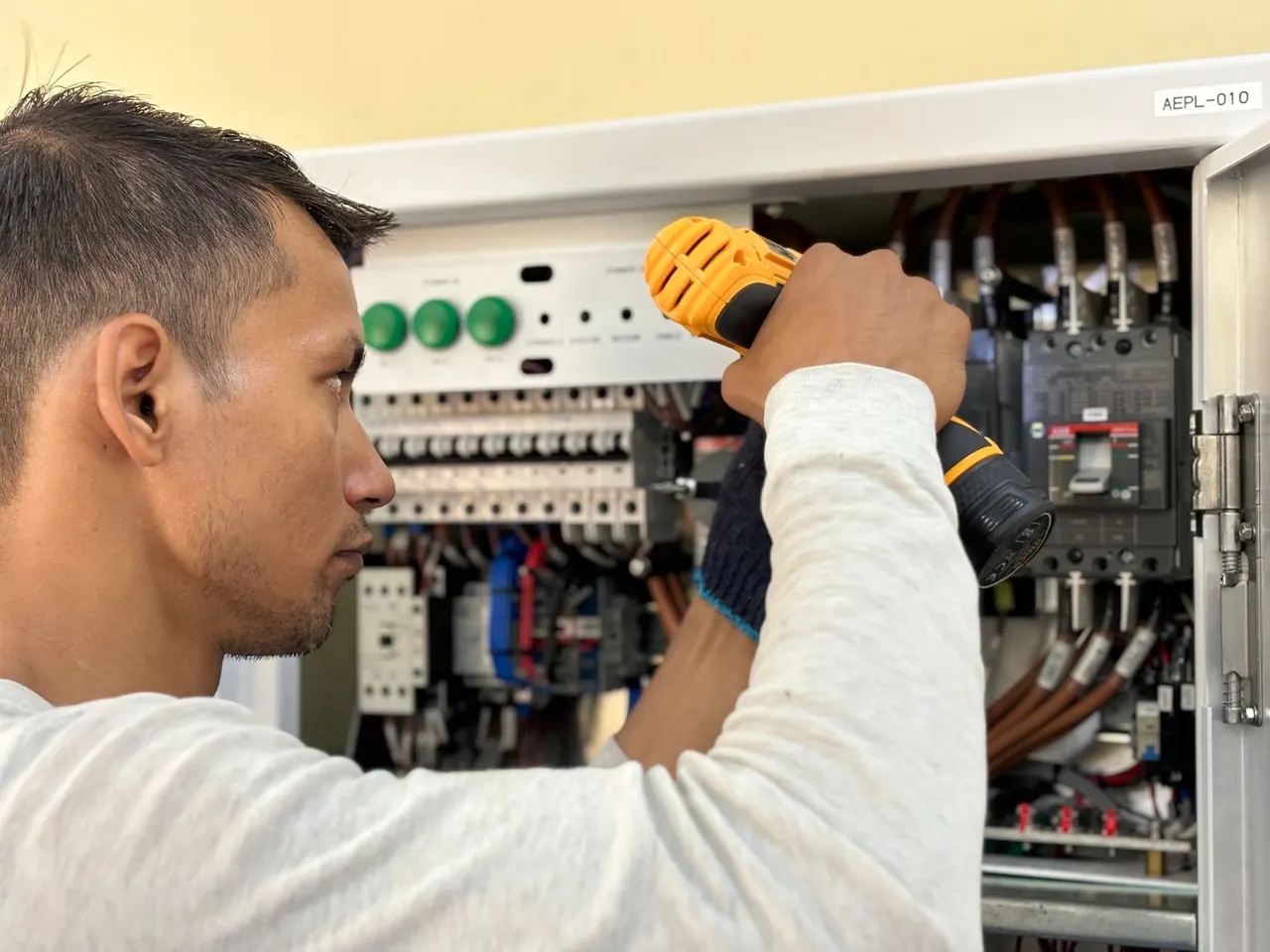
From the first phone call to the final test, here is what you can expect when our electricians show up at your Rocky Mount property.
We ask what you are backing up, what generator or solar inverter you own, and whether you want manual or automatic operation. You text us a photo of your panel and generator nameplate. Within the hour, we give you a ballpark range and book a site visit.
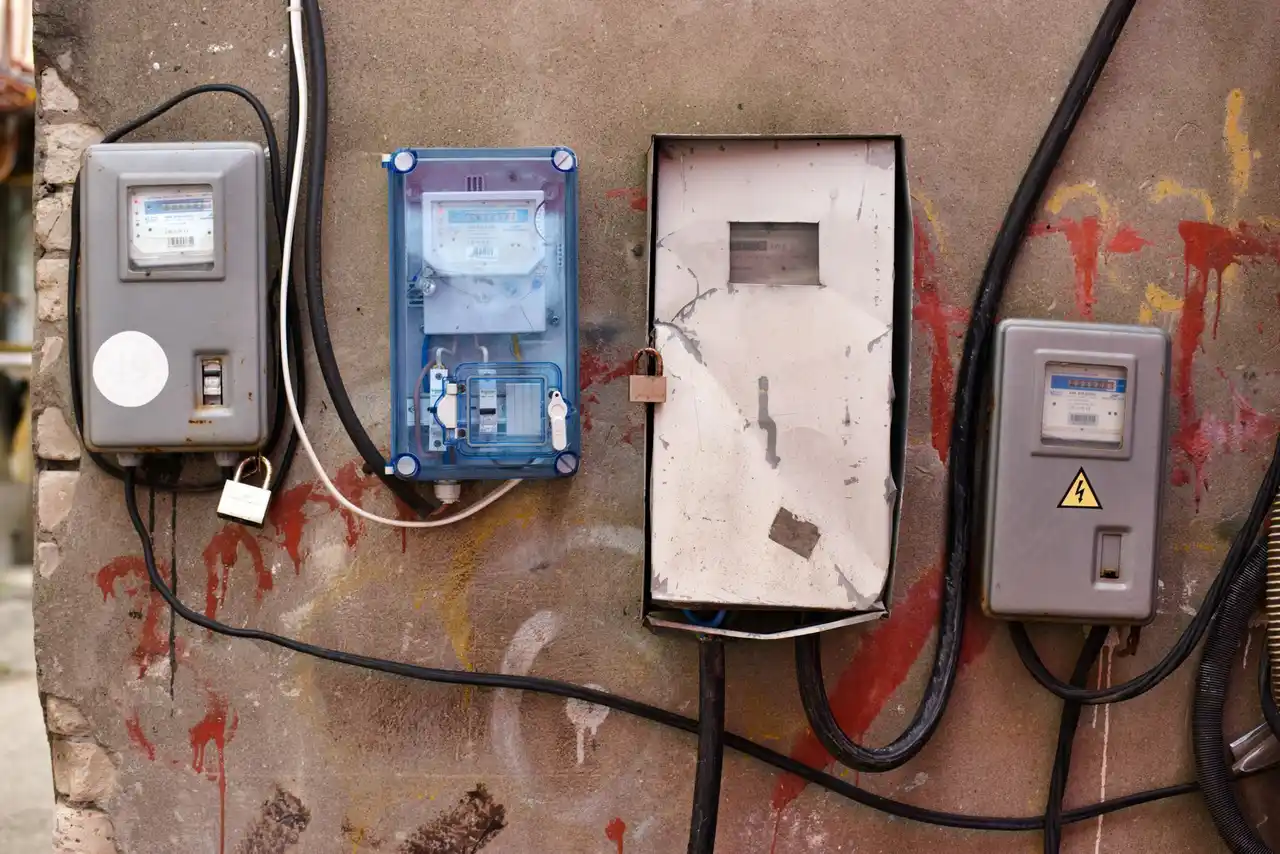
A technician arrives with a multimeter, voltage tester, and circuit breaker finder. We open the panel, check available spaces, verify the service amperage, and look for fuse box hazards or an overloaded panel. This walk-through takes 30 to 45 minutes and tells us exactly what parts to order.
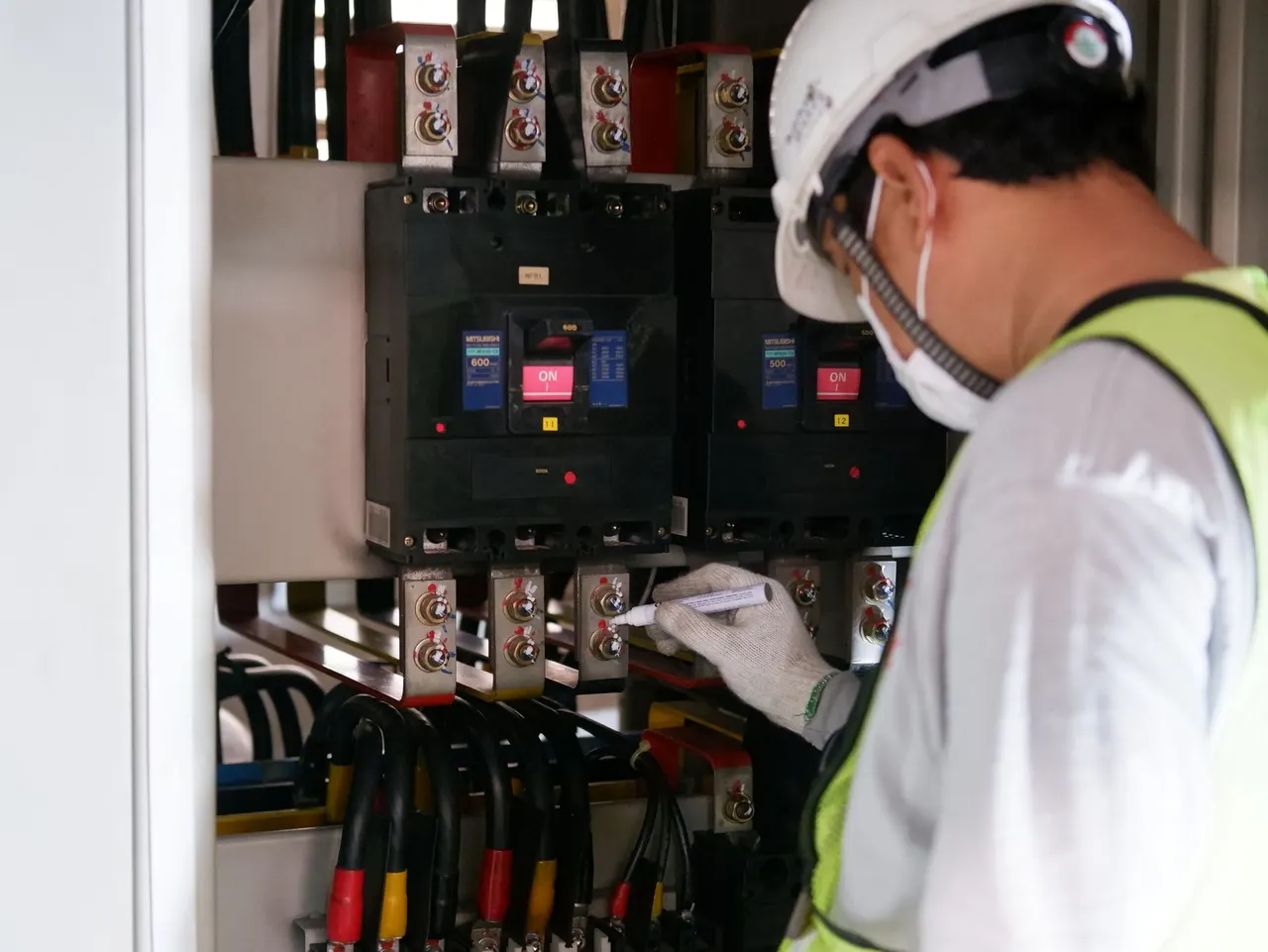
We file the electrical permit with the city and order the switch, conduit, wire, and breakers. Most residential switches arrive within two to three business days. If your panel needs a 100 Amp Panel Upgrade or a Meter Base Upgrade to support the load, we schedule that work in the same window.
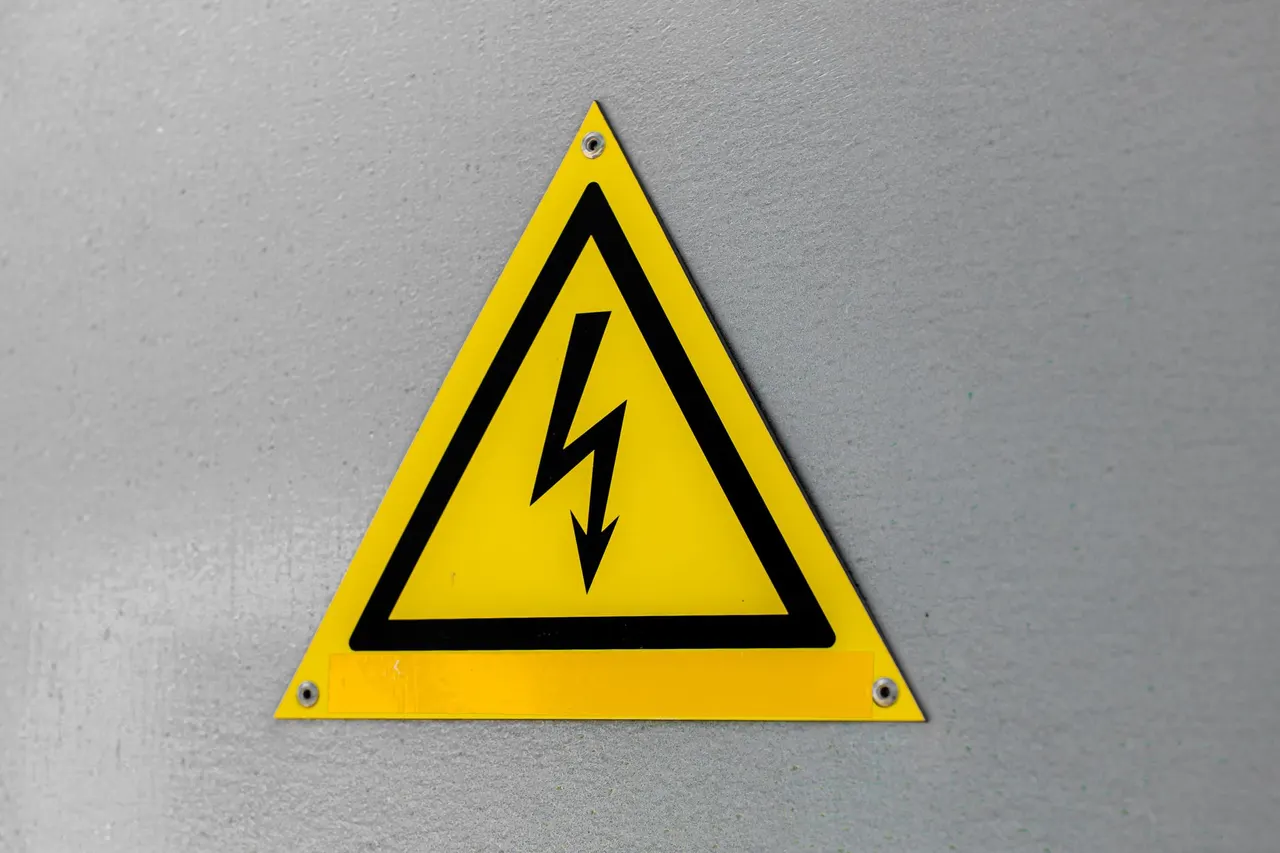
We kill the main, mount the transfer switch within code distance of the meter or panel, and pull the feeders through conduit. Every lug gets torqued with a torque screwdriver, and we land grounds on a clean, verified bus. Most installs take four to six hours, and we restore power the same day.
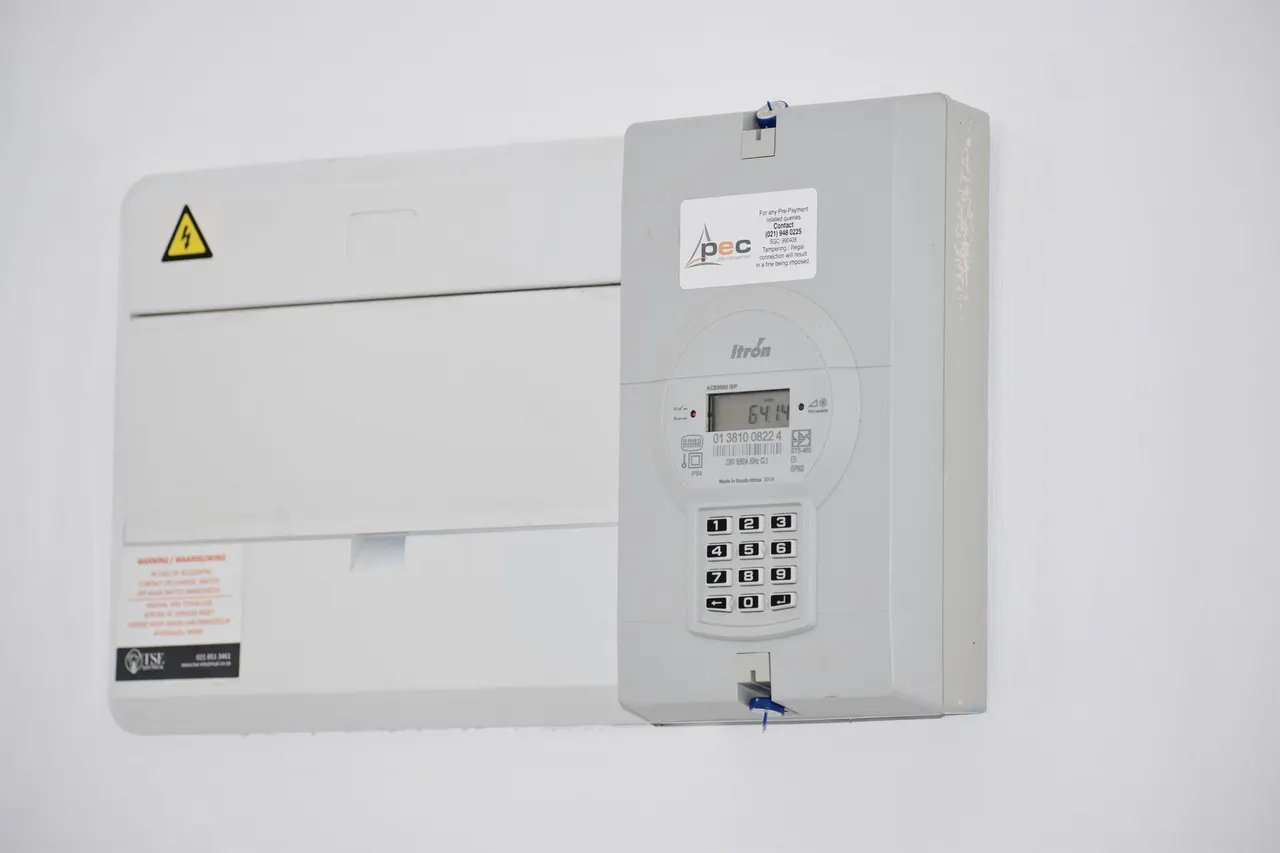
We start the generator, transfer the load, and watch voltage on a clamp meter under real draw. Then we switch back to utility power and confirm the interlock holds. You get a labeled panel, a short operating lesson, and the inspection paperwork for your records.
Move across a circle, or focus it and press Enter, for an illustrative thermal view of the photograph.
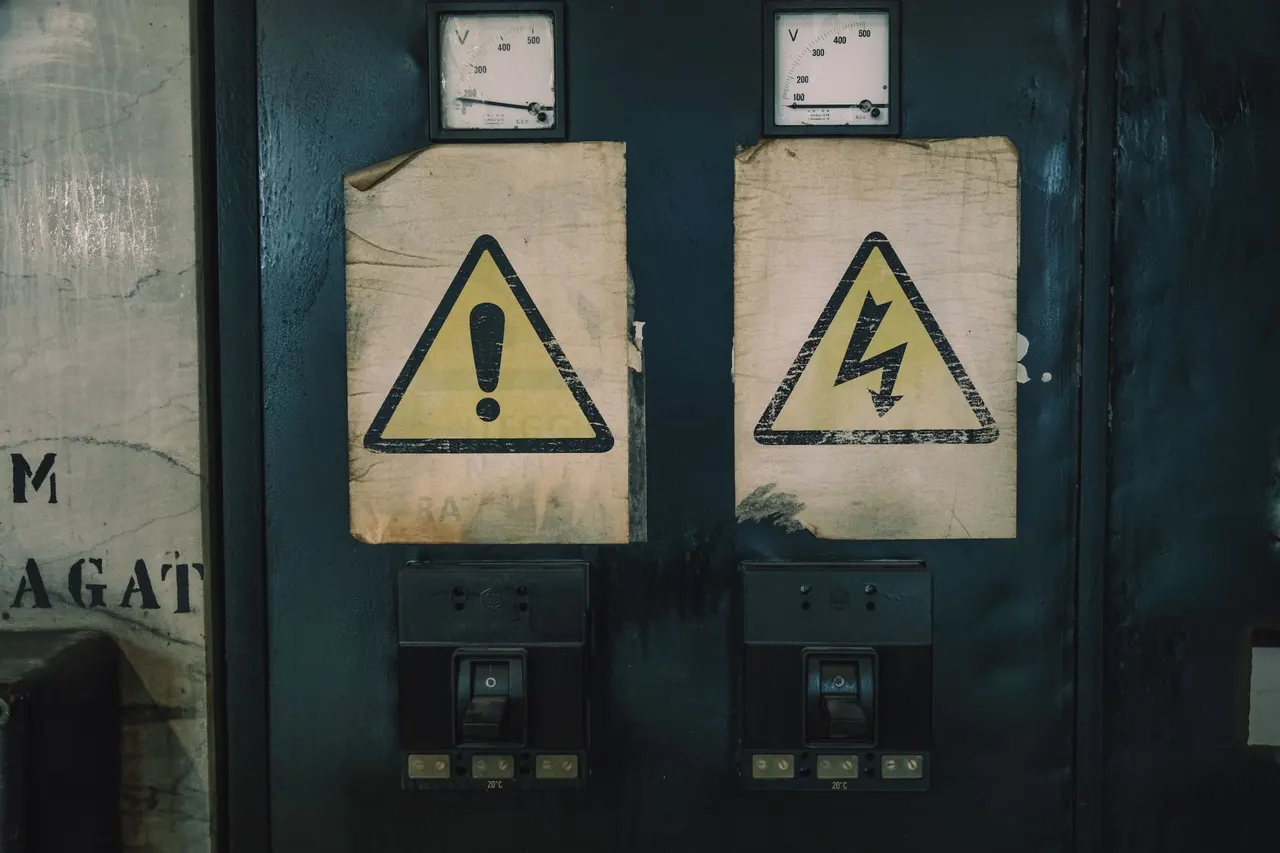
Used to confirm dead circuits before we touch a conductor and to verify voltage at the switch terminals after the install. No live work without a reading first.
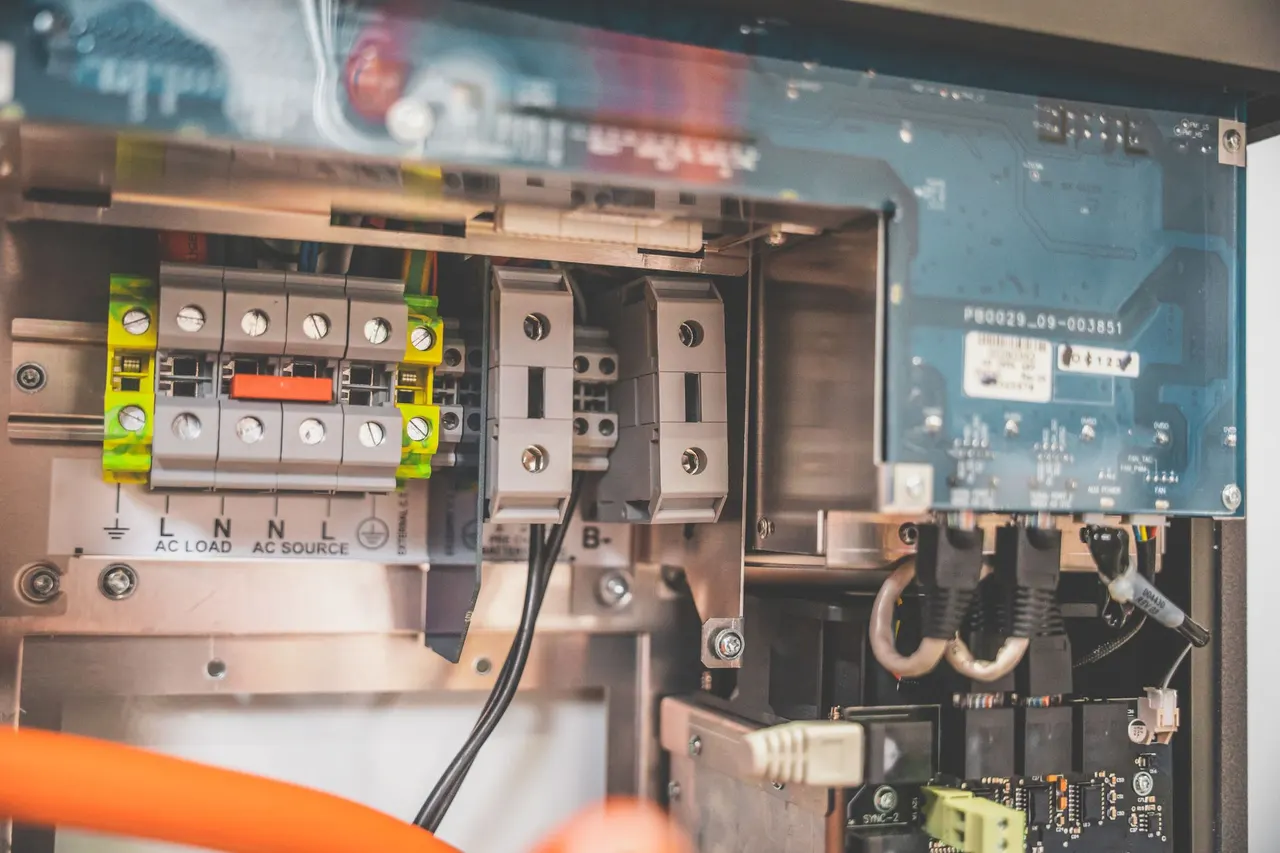
Measures actual current draw on the generator feed during the load test. This tells us whether the switch and conductors are sized correctly for real-world demand.
Every lug on the transfer switch and panel gets tightened to the manufacturer's torque spec.
Clean strips mean clean terminations. The cable puller moves heavy feeder conductors through conduit without nicking the insulation.
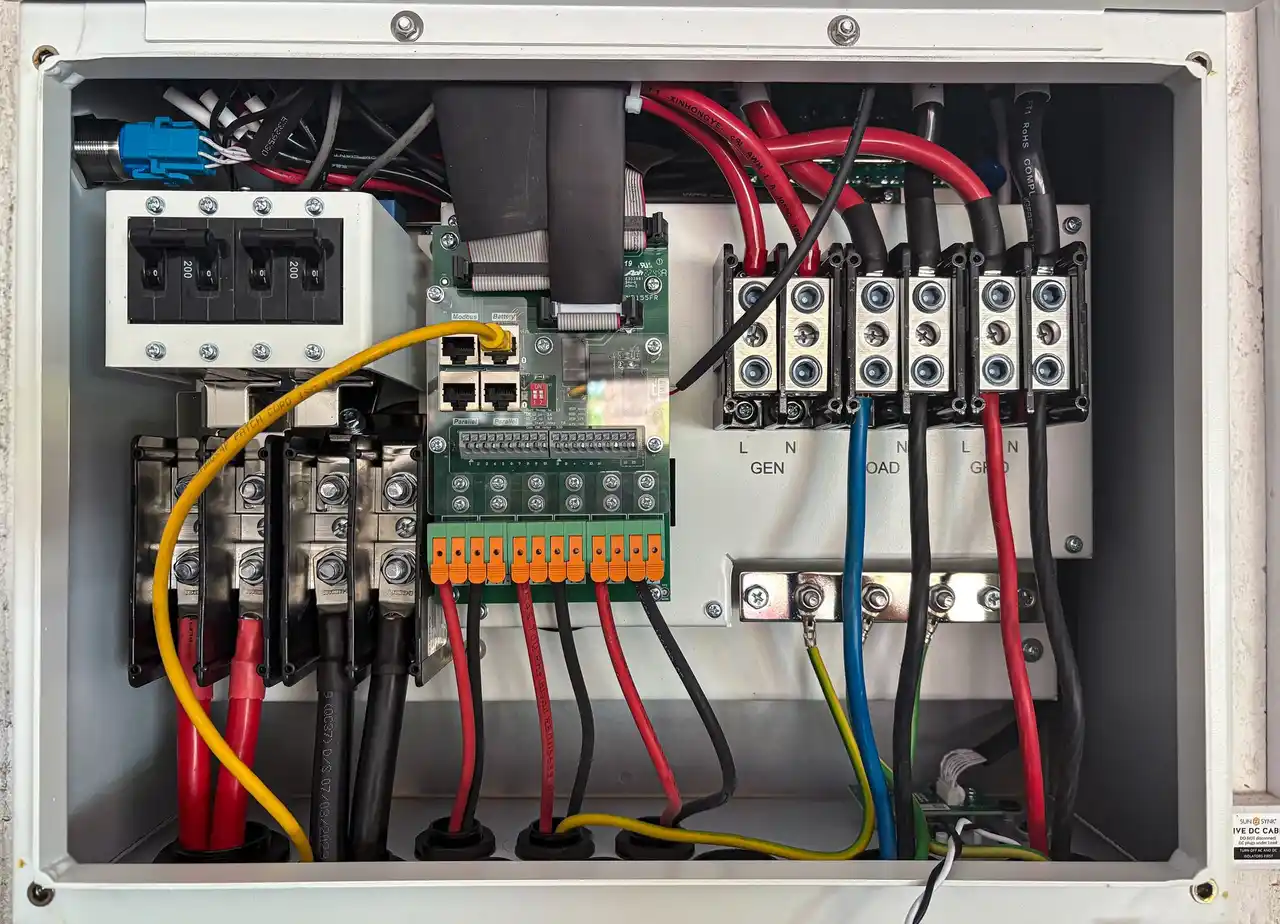
Maps which breaker controls which circuit so we can label the panel accurately and choose the right circuits to back up with the generator.
Thermal views are illustrative, generated from the photographs.
OSHA safety gear for any panel work. We treat every conductor as live until the meter says otherwise.
We follow the code cycle your jurisdiction has adopted for conductor sizing, grounding, bonding, and switch placement. That means the install passes inspection and stays safe for the life of the equipment.
We total the wattage of the circuits you want backed up and compare it to the generator output. The switch amperage is chosen from that number, not from a guess at the counter.
Manufacturers publish a torque value for every lug. We use a torque screwdriver and record the values so the connections do not loosen under thermal cycling.
After wiring, we physically test the mechanical interlock to confirm utility and generator power can never meet. This is the single most important safety check on the job.
We file the electrical permit before we schedule install day. That keeps the job legal, keeps the inspector in the loop, and avoids surprises at the final walkthrough.
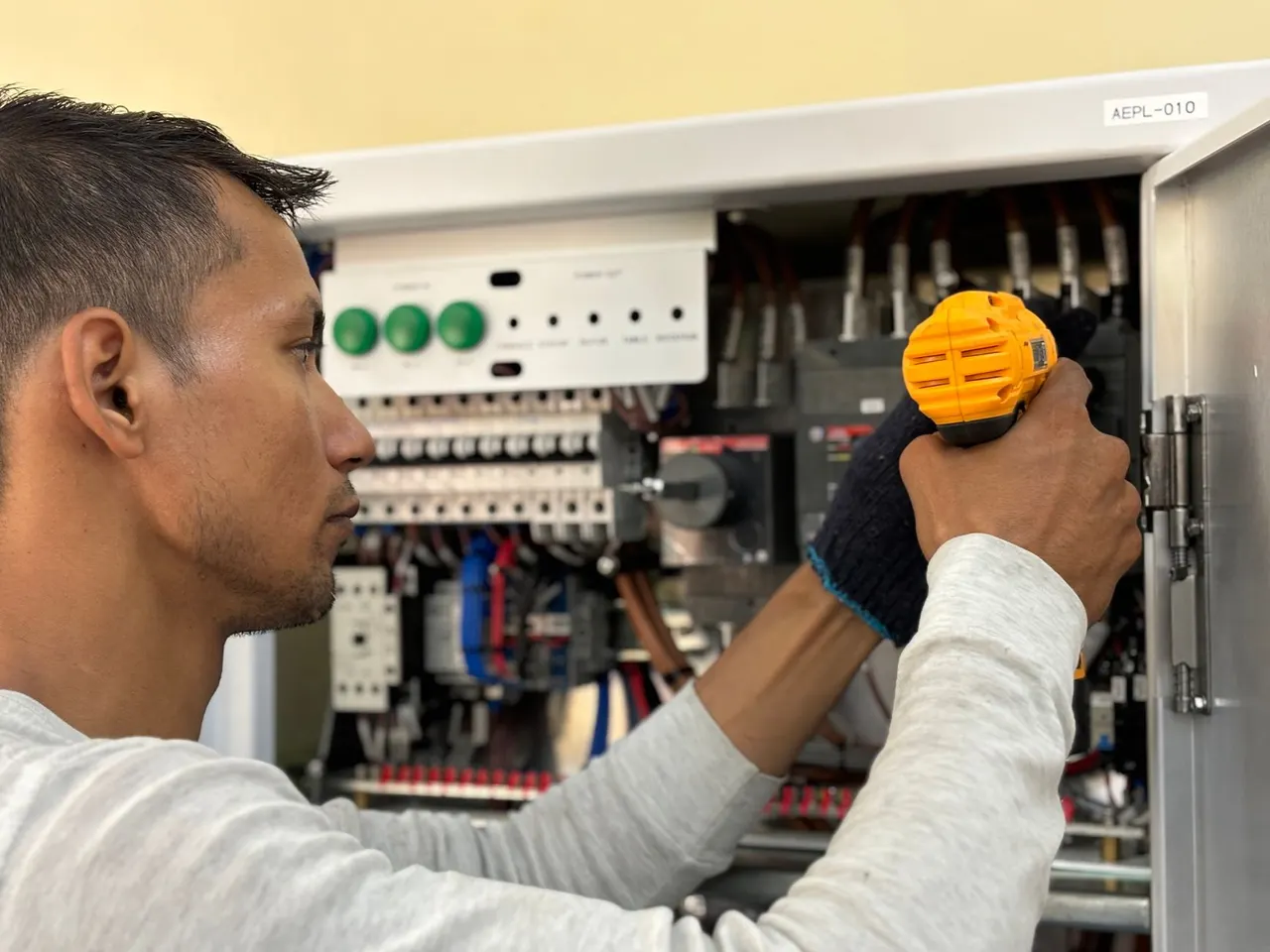
A homeowner in Englewood bought a portable generator after last winter's outage and wants to run the fridge, well pump, and a few lights safely.
We install a manual transfer switch sized to the generator, add a weatherproof inlet box on the exterior wall, and label the backed-up circuits. The panel gets a quick inspection to confirm it can carry the added load.
Outcome: The homeowner can start the generator, flip one switch, and power the essentials without running cords through a window or backfeeding a breaker.
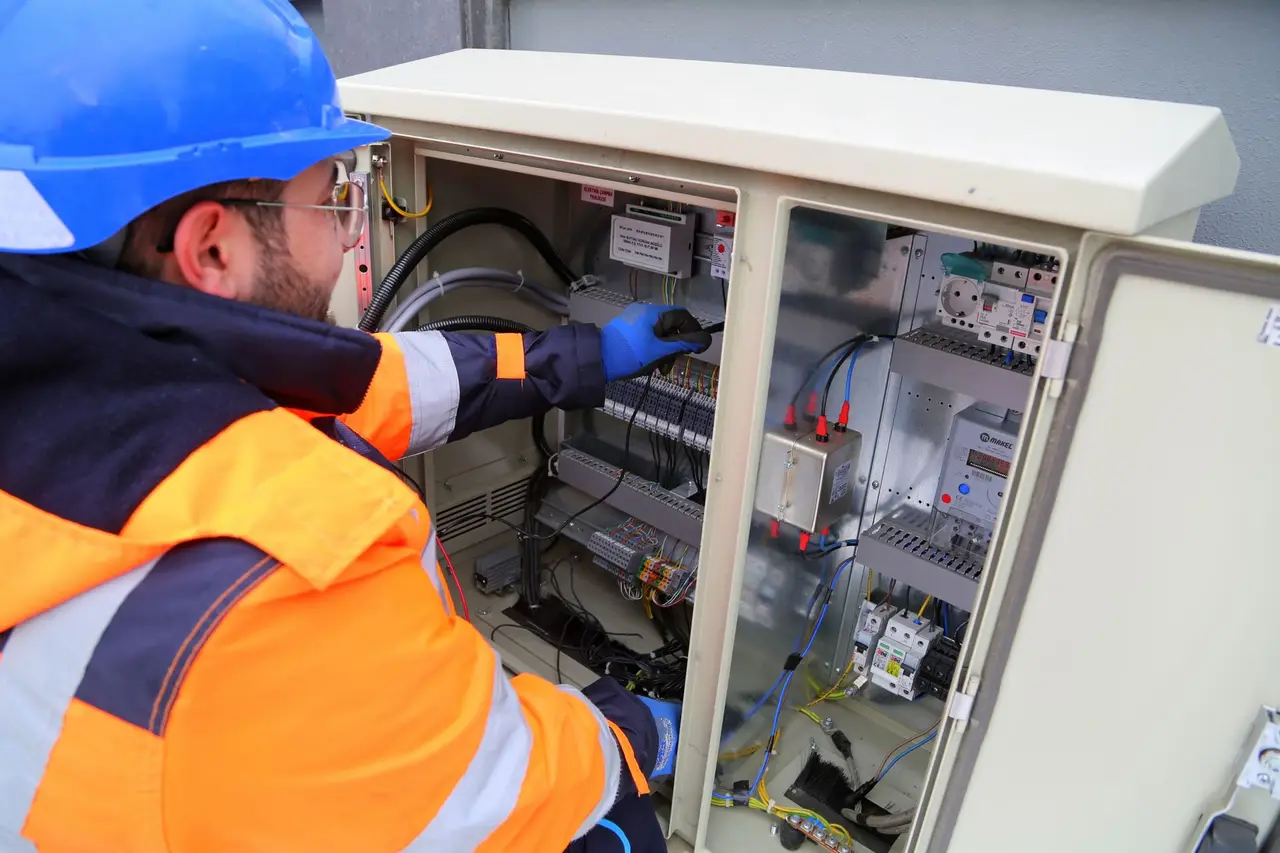
A family in Northgreen is installing a whole-home standby generator and wants it to start automatically during an outage.
We mount an automatic transfer switch near the meter, wire the generator feed, and set the exercise timer. The switch senses utility loss and starts the generator within seconds, then transfers the load once voltage stabilizes.
Outcome: Power comes back before anyone notices the outage. The system exercises weekly on its own and the install passes Nash County inspection.
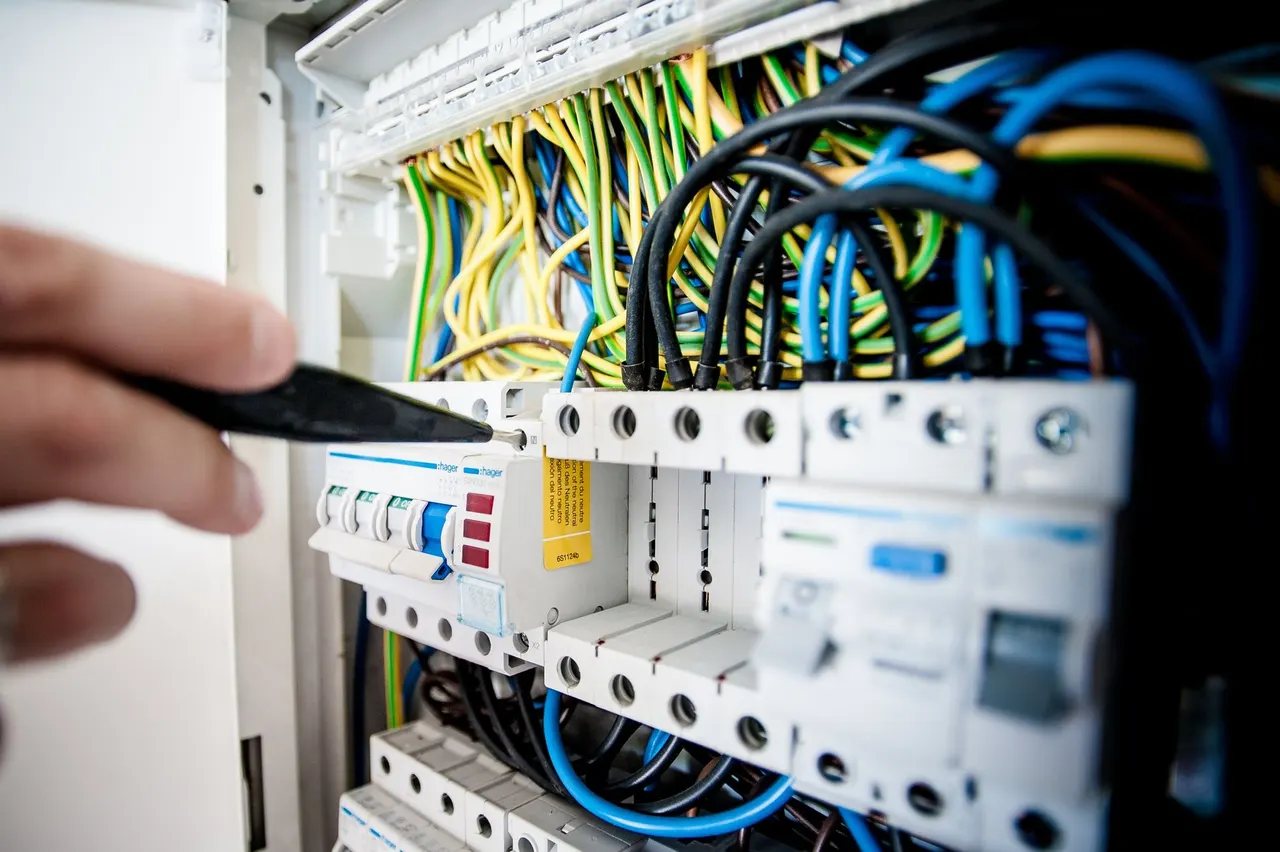
A small business near Rocky Mount Mills needs backup power for refrigeration and POS systems during storm season.
We design a three-phase transfer switch layout, coordinate with the utility on the service, and install the switch alongside a commercial panel upgrade. The work is scheduled after hours so the shop does not lose a day.
Outcome: The business rides through outages without losing inventory, and the switch is documented for the insurance carrier.
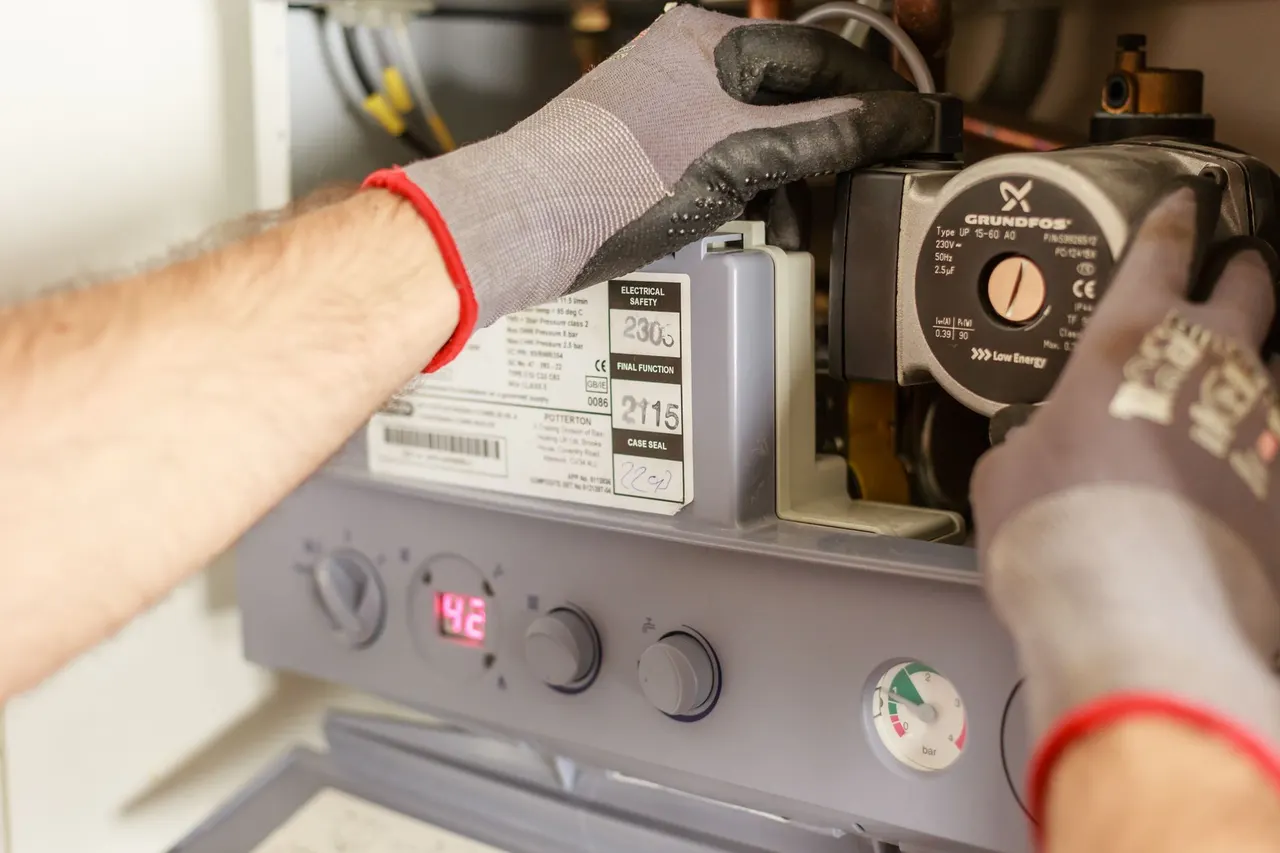
A homeowner in Mill Village with a 100-amp fuse box wants a transfer switch but has no breaker panel to mount it on.
We replace the fuse box with a modern breaker panel, upgrade the service to 200 amps, and install the transfer switch on the new bus in the same visit. Grounding and bonding are brought up to NEC 2023.
Outcome: The house gets safe backup power, modern breakers, and a panel that will support future additions like an EV charger.
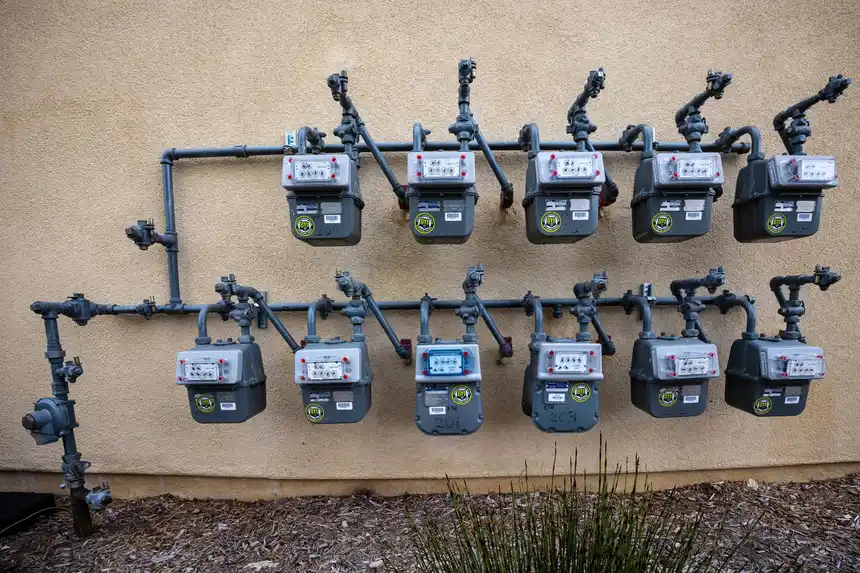
A property owner in Sunset Acres added solar with battery backup and needs the inverter isolated from the grid during an outage.
We install a solar-ready panel and a compatible transfer switch that disconnects the inverter from the utility feed when the grid drops. Conductor sizing and labeling follow the inverter manufacturer and NEC 2023.
Outcome: The battery system carries selected circuits during outages, and the utility sees a clean, code-correct disconnect at the service.
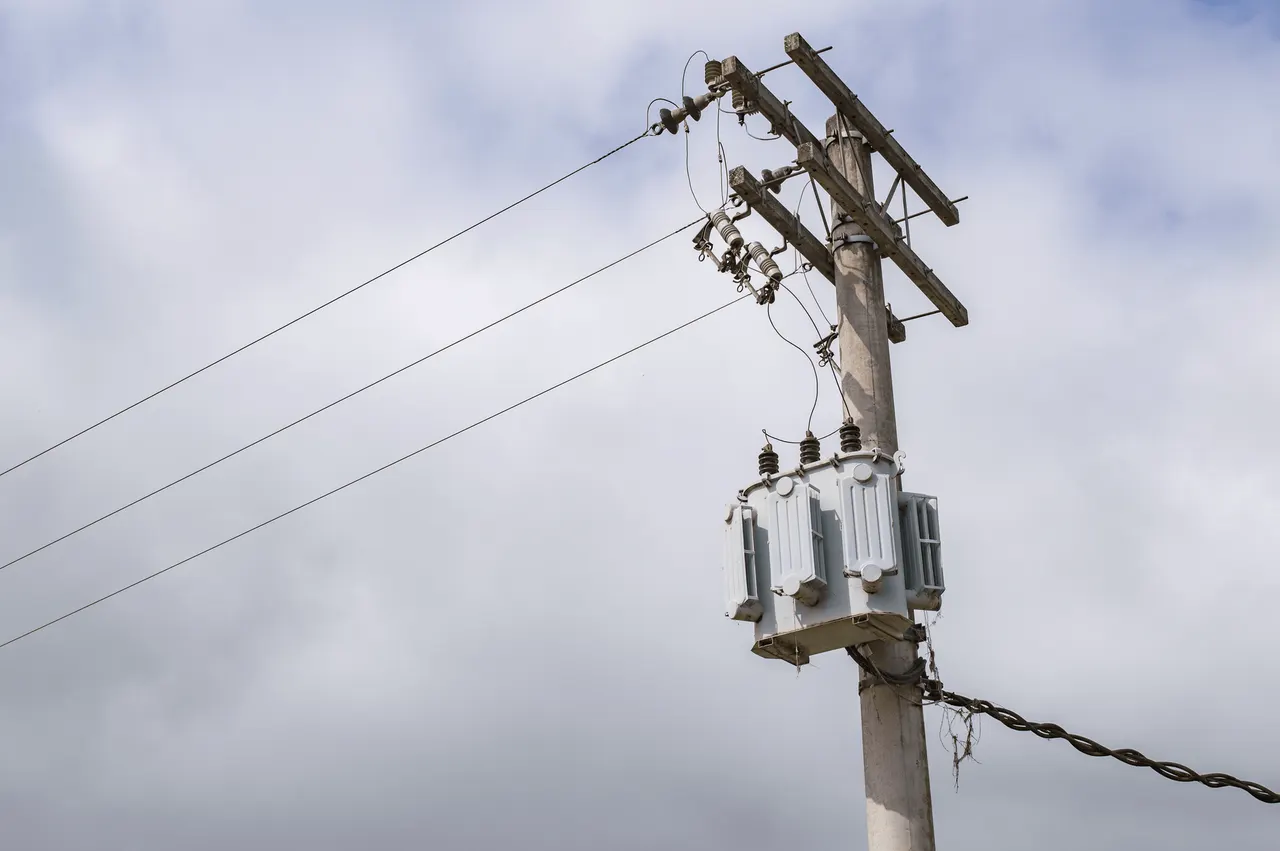
Rocky Mount sits in a part of North Carolina where ice storms, summer thunderstorms, and hurricane remnants knock the grid out with real frequency. That reality shapes how we install transfer switches here. Older mill houses in Mill Village and Englewood often still run 100-amp service with a fuse box, so the switch install usually starts with a panel upgrade.
Newer builds in Cobblestone and Westridge typically have 200-amp panels with room to mount a switch directly. Commercial properties near Rocky Mount Mills and Downtown may need three-phase gear and utility coordination before we can schedule install day. We pull the permit through the City of Rocky Mount and Nash County, and we schedule the inspection as part of the job.
If you have been looking for a manual transfer switch installation Rocky Mount NC homeowners can operate without a manual, we label every backed-up circuit and walk you through the startup. Summer storm season is the busiest window, so book before the first heat wave if you can.
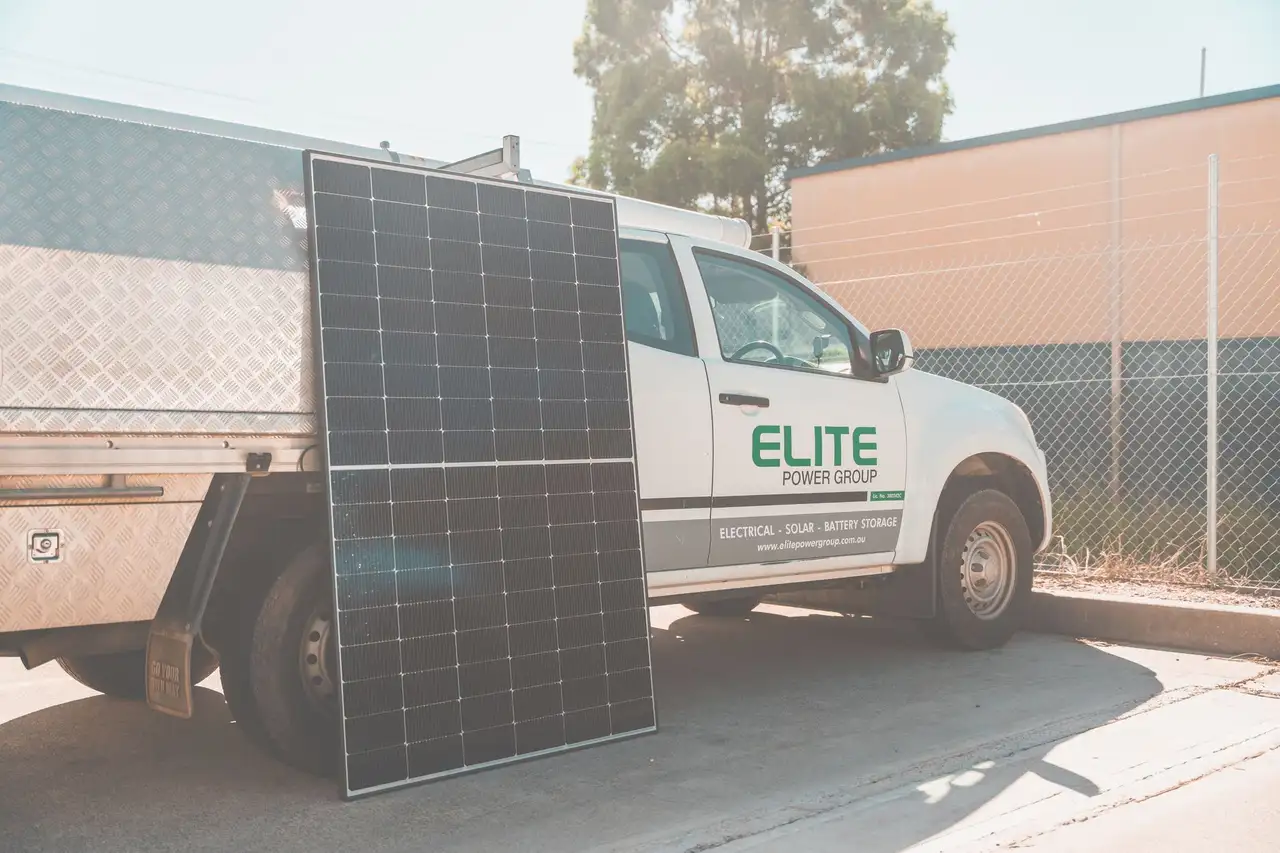
Before: A West Haven homeowner ran extension cords from a portable generator through a kitchen window during every outage. The panel had two double-tapped breakers and no room for a new circuit.
After: We replaced the double-tapped breakers, installed a manual transfer switch with a weatherproof inlet box, and labeled six backed-up circuits. The install passed inspection in one visit and took about five hours on site.
Run the generator under load twice a year and check the switch lugs for tightness. We include a torque check in our annual panel maintenance visit.
Before: A Northgreen family had a standby generator sitting unused because the panel was full and the service was only 150 amps. They wanted automatic transfer but had no path to install it.
After: We upgraded the service to 200 amps, installed an automatic transfer switch, and set the weekly exercise timer. The system now transfers within seconds of an outage and has run through two storm seasons without a fault.
Keep the generator battery fresh and let the weekly exercise cycle run. We check the transfer mechanism and torque the lugs once a year.
Before: A Mill Village house still had a 100-amp fuse box with screw-in fuses and cloth wiring near the meter. There was no safe place to mount a transfer switch and no GFCI protection in the kitchen.
After: We replaced the fuse box with a 200-amp breaker panel, added GFCI protection, and installed the transfer switch on the new bus. The job took two days including the service upgrade and passed Nash County inspection.
Test the GFCI outlets monthly and have the panel inspected every few years. We torque the main lugs and switch terminals during annual maintenance.
Most of the transfer switch calls we get in Rocky Mount start with a generator sitting unused because nobody wants to backfeed a panel. Here are the problems we fix most often.
Safe backup power you can operate without a manual.
Backfeeding a panel through a breaker or dryer outlet can energize lines that utility crews think are dead. A UL listed transfer switch mechanically blocks that path. We install and label the switch so anyone in the house can operate it without guessing which breaker to flip.
After a major outage in Nash County, crews restore power neighborhood by neighborhood. With an automatic transfer switch Rocky Mount NC setup, your standby generator starts within seconds and carries your heat, fridge, and well pump until the grid returns. No extension cords, no manual start in the rain.
We check for double-tapped breakers, an overloaded panel, and rusted bus bars before we add anything. If your panel is full or failing, we can pair the switch with a subpanel or a 200 Amp Panel Upgrade so the new circuit has room to breathe and the whole system stays code-correct.
Rocky Mount and Nash County require a permit for transfer switch work, and the inspection looks at grounding, bonding, and conductor sizing. We pull the permit, meet the inspector on site, and correct anything flagged. You get a signed-off install, not a red tag on the meter.
What a written scope covers and what shapes it. Prices are set by the business after the first look.
Included
Depends on
Clear records you can keep and share.
Before and after shots of the work
Which circuits are backed up
Load test readings and interlock check
Signed inspection paperwork for your files
Both isolate the utility feed. The difference is who flips the switch when the power drops.
You start the generator and move the switch by hand.
The switch senses outage and starts the generator.
A switch that also serves as the main disconnect.
A list like this tells people straight away whether you cover their street. Not listed? Call and ask: it only takes a minute.
Based in Rocky Mount and covering the places around it. Pick one for local details.
A basic manual switch for a portable generator lands near the low end. An automatic switch with a standby generator, new conduit, and a permit pushes toward the top. Panel upgrades or a Meter Base Upgrade add to the total. We give you a written range before any work begins.
A transfer switch moves your home or business power source between the utility grid and a backup generator or solar system. It mechanically prevents the generator from backfeeding the utility lines, which protects line workers and your own equipment. When the grid drops, you start the generator and flip the switch, or an automatic unit does it for you within seconds. It is the single component that makes home generator power safe and legal.
A straightforward residential install takes four to six hours on site. Add two to three business days ahead of that for the permit and parts. If your panel needs a subpanel or a 200 Amp Panel Upgrade to make room, plan on a full day. Commercial transfer switch work near Rocky Mount Mills or Downtown can run longer because of three-phase gear and utility coordination. We give you a schedule when we quote the job.
Yes. Rocky Mount and Nash County require an electrical permit for transfer switch work, and the inspection checks grounding, bonding, conductor sizing, and the interlock. We pull the permit for you, meet the inspector on site, and correct anything flagged before we close the job. Skipping the permit can void insurance coverage and create a problem when you sell the house. It is not worth the risk.
Other services from the same team.
Storm season does not wait, and neither should your backup power. Call (252) 809-7893 and we will inspect your panel, size the right switch, and give you a written price before we start. Same-day estimates available.
Call us at (252) 809-7893 or send a message and we will get back to you the same business day. We answer the phone during normal hours and roll on emergency panel calls after hours. Tell us what the panel is doing and we will tell you what it takes to fix it.