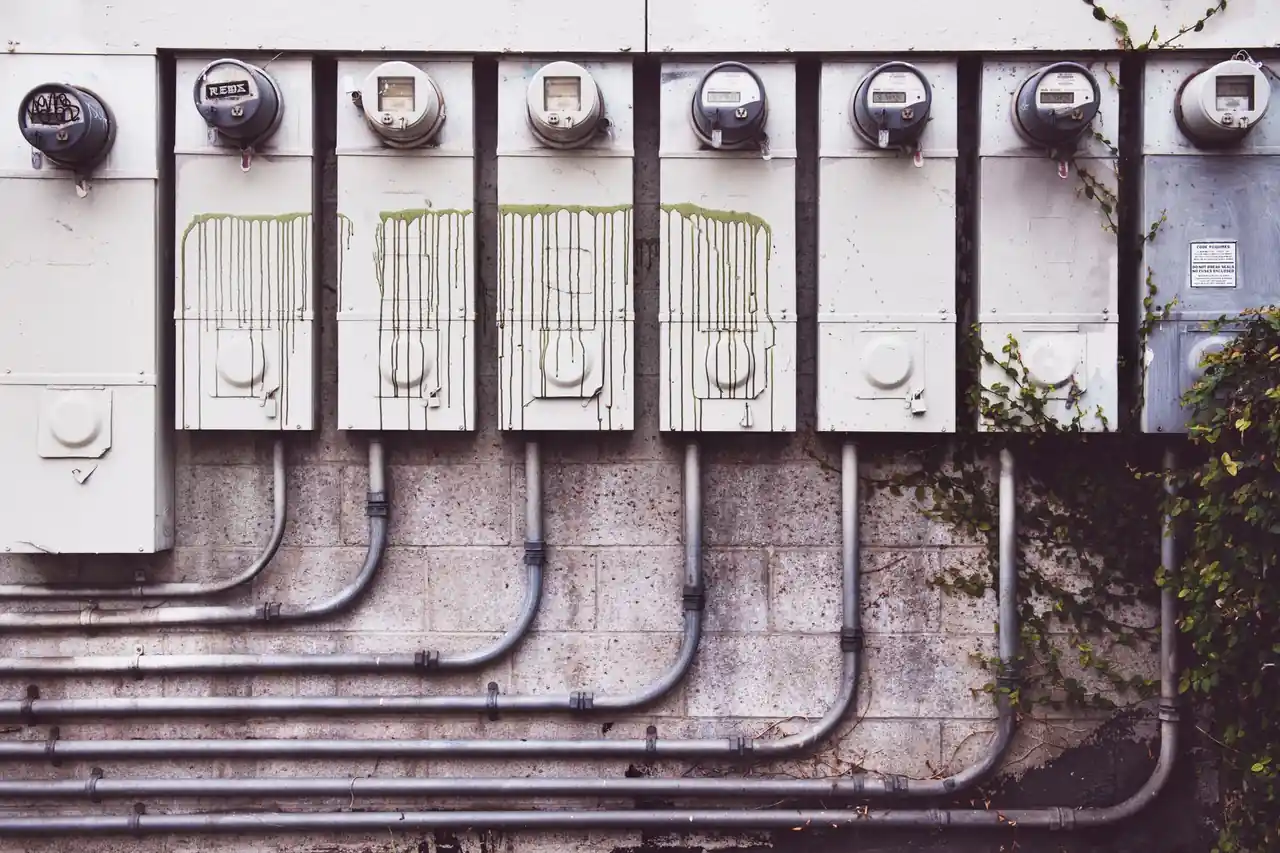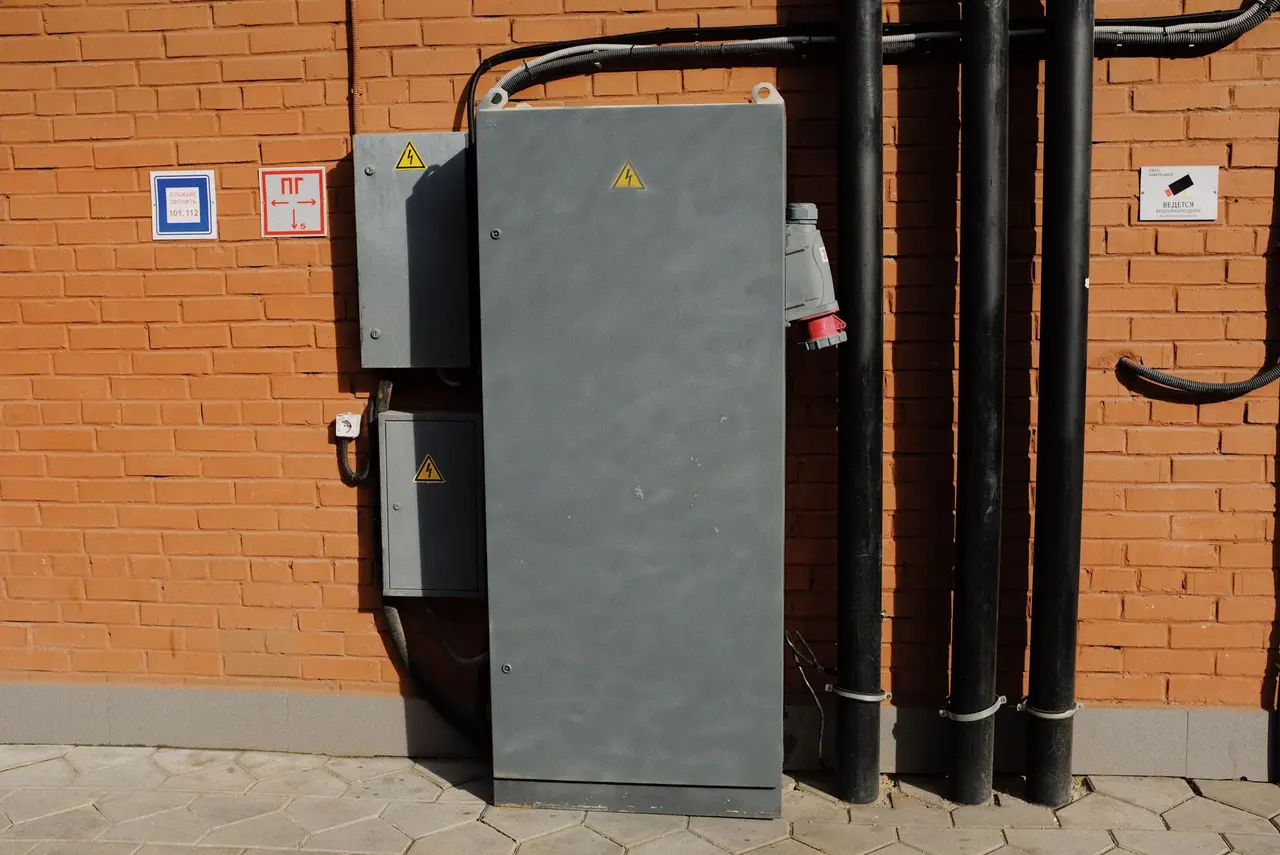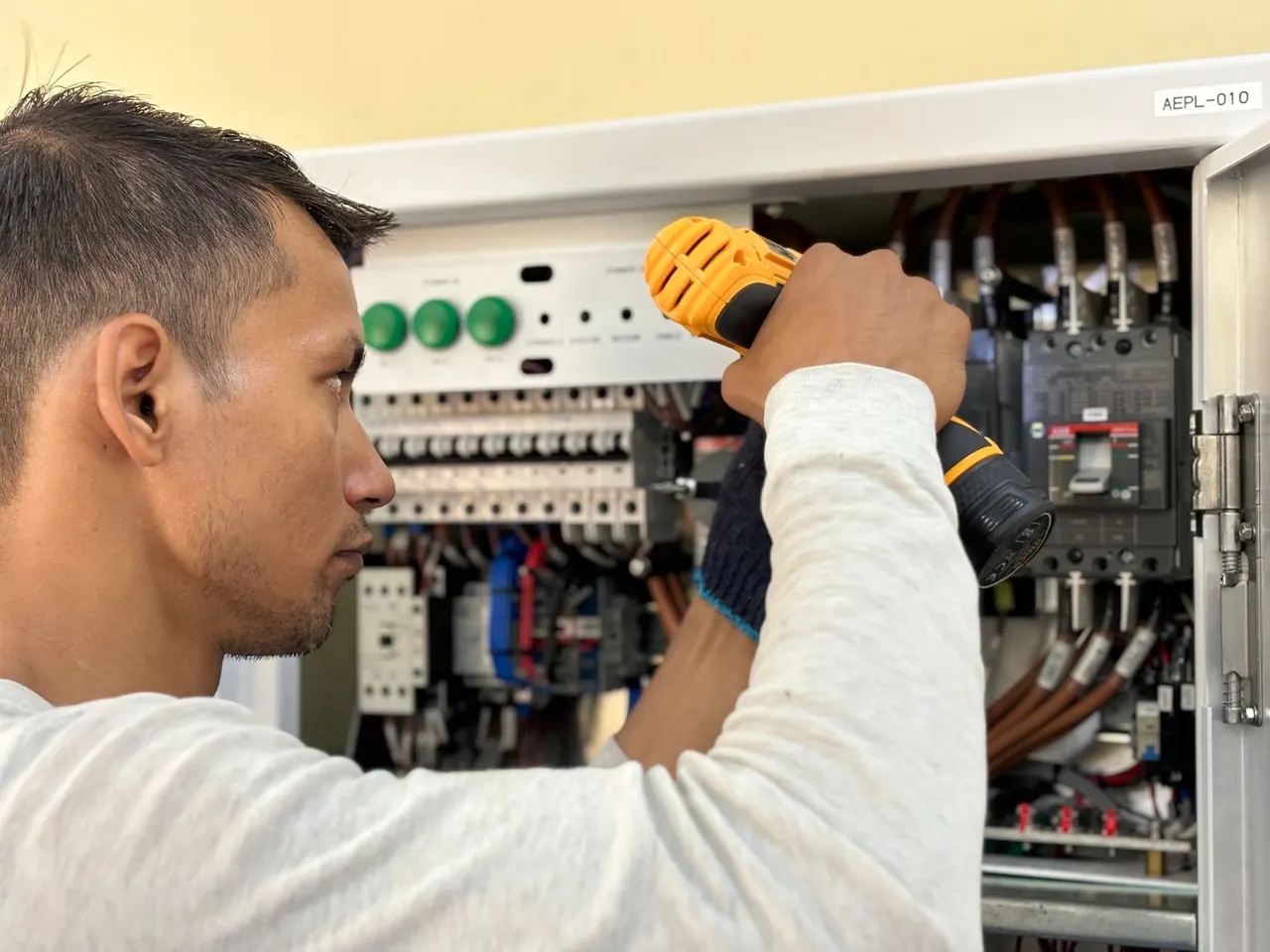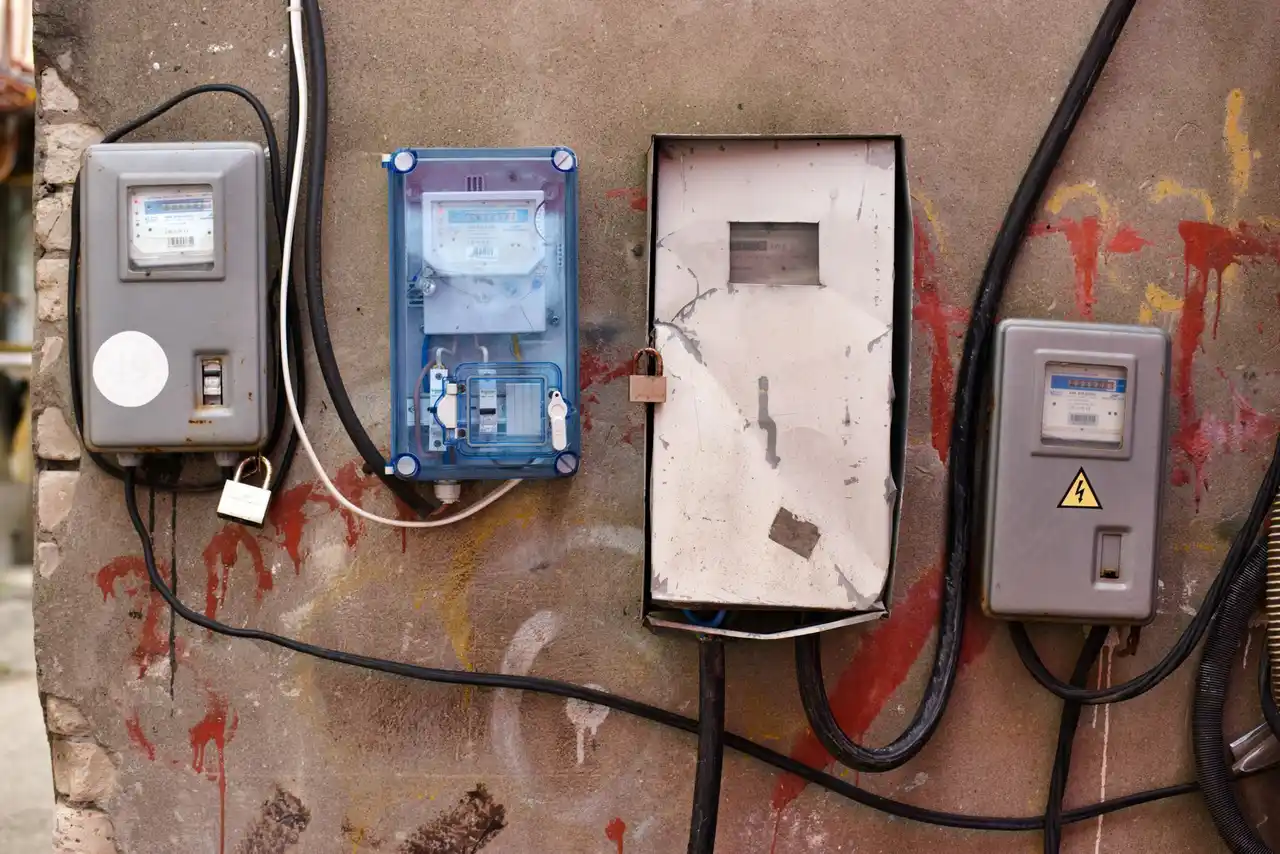
For Homes
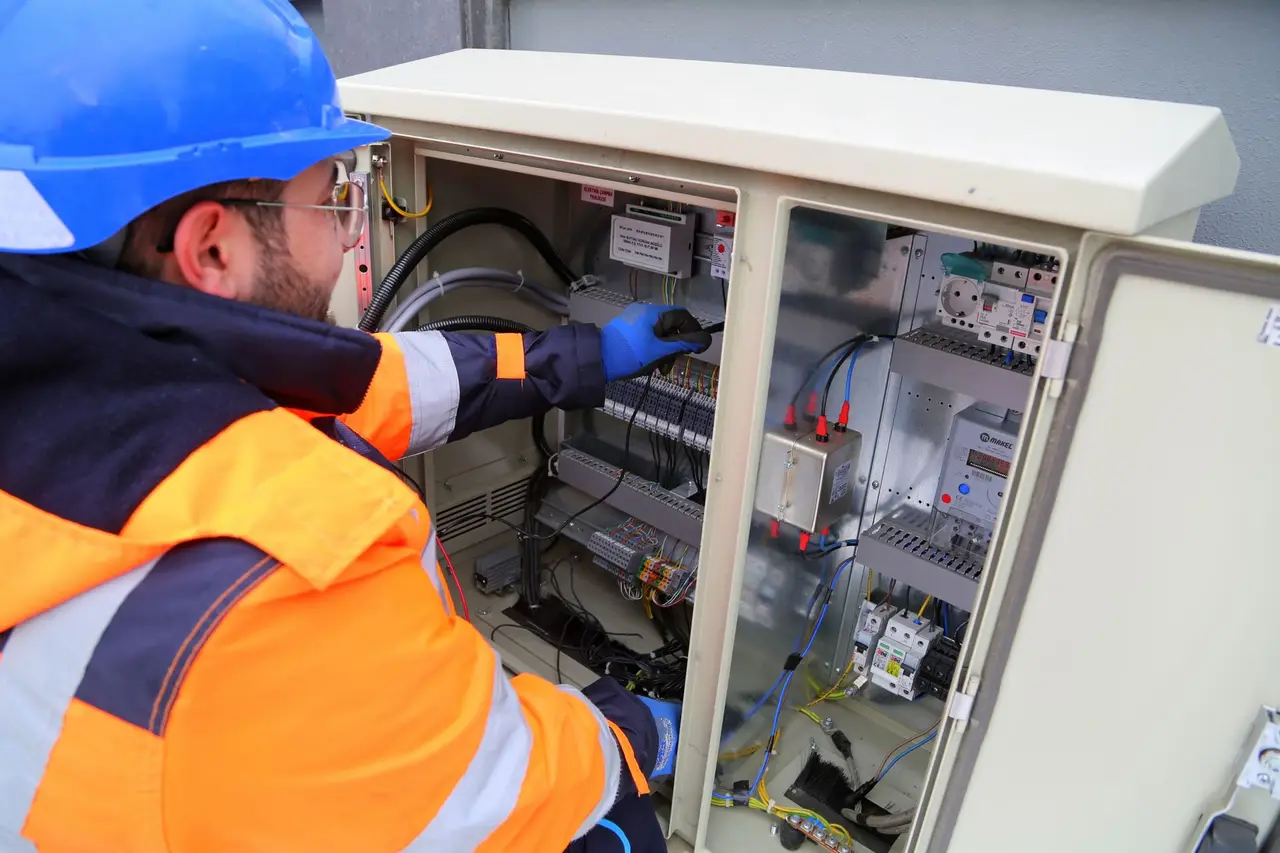
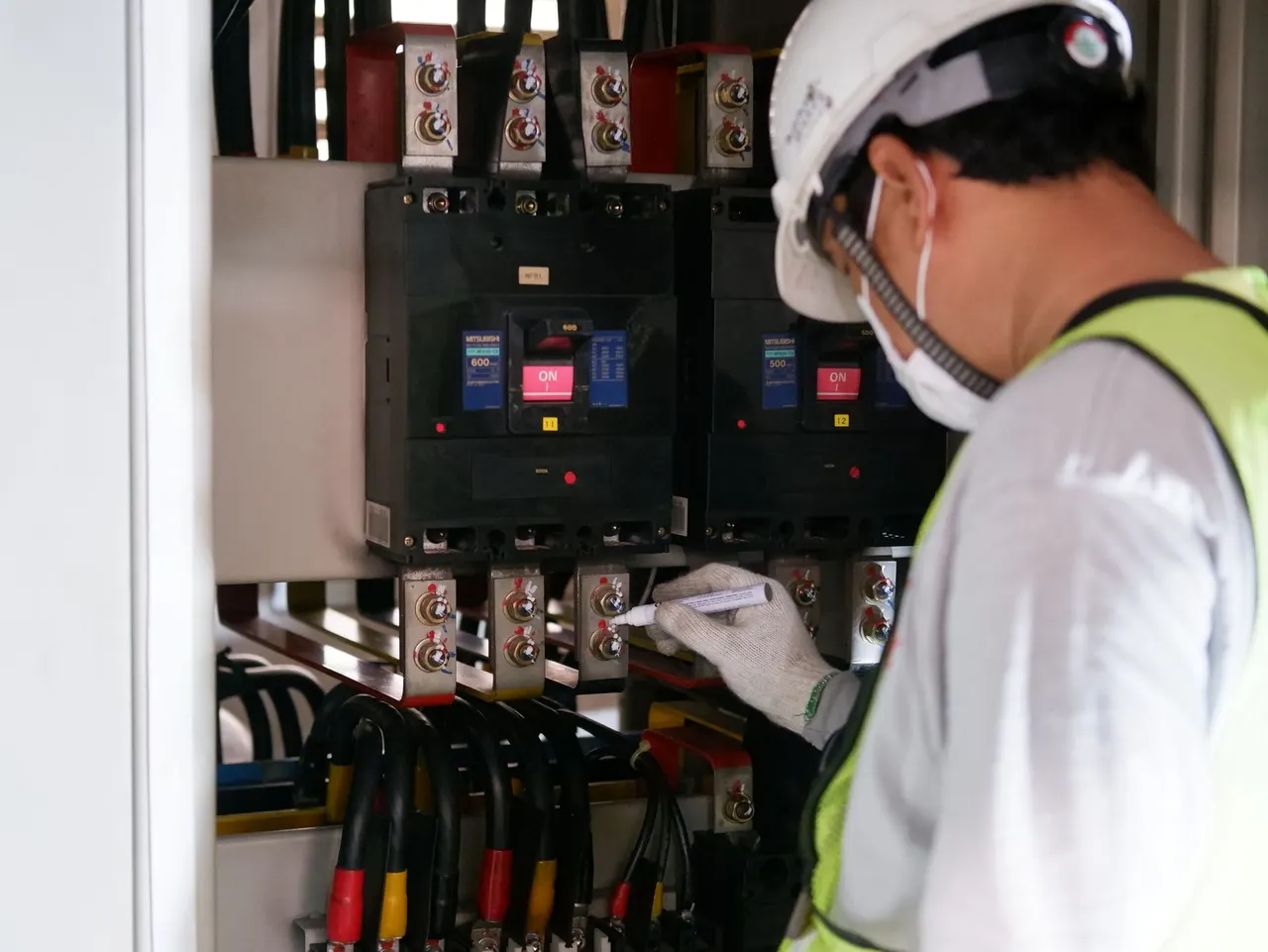
We replace rusted or undersized meter bases for homeowners across Rocky Mount. You get a written price, a permit, and a walkthrough when the power is back on.
- Rusted meter can
- Flickering lights
- Adding an EV charger
A meter base upgrade Rocky Mount NC homeowners can count on starts with a careful inspection of your service entrance, meter socket, and grounding. If your meter can is rusted, pulling away from the wall, or overheating, we replace it with a UL listed assembly and bring the work up to current NEC code. We serve Nash County homes and businesses, pull the permits, and coordinate the utility disconnect so your power is restored the same day in most cases.
 Inspect meter socketCheck groundingTorque lugs
Every meter base upgrade starts with an inspection and a written price. We list what is covered so you know what you are paying for, and we tell you upfront if the service mast or panel needs separate work.
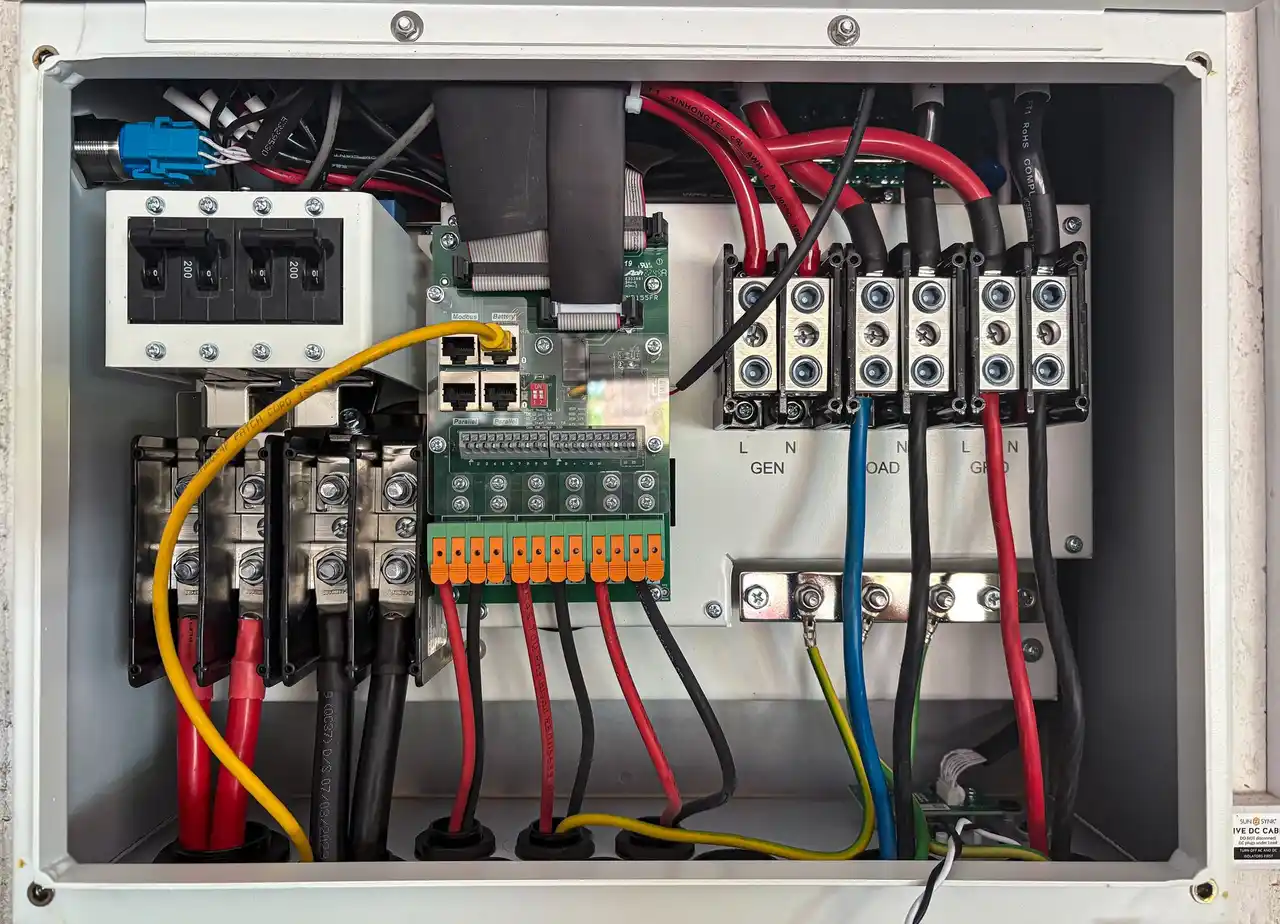
We install a Milbank or Square D meter socket rated for your service amperage. The can is UL listed and mounted plumb to the wall with new stainless hardware.
We replace the cable from the weatherhead to the meter and from the meter to the panel. The conductor size matches the amperage so the base is not the bottleneck.
We drive a new ground rod, run copper grounding wire, and bond the meter base and panel to NEC 2023 spec. The inspector checks this first.
We file the Nash County permit and schedule the utility disconnect and reconnect. You get the permit number and inspection date in writing.
Before we size the base, we calculate the load on your service. That tells us whether a 200-amp or 400-amp meter socket is the right call for your home.
We test voltage at the panel, check for heat at the lugs, and verify the grounding path. Then we walk you through what changed and leave the paperwork.
The approach is the same for a home and a business. What changes is the access, the schedule and who needs the paperwork.
We replace rusted or undersized meter bases for homeowners across Rocky Mount. You get a written price, a permit, and a walkthrough when the power is back on.
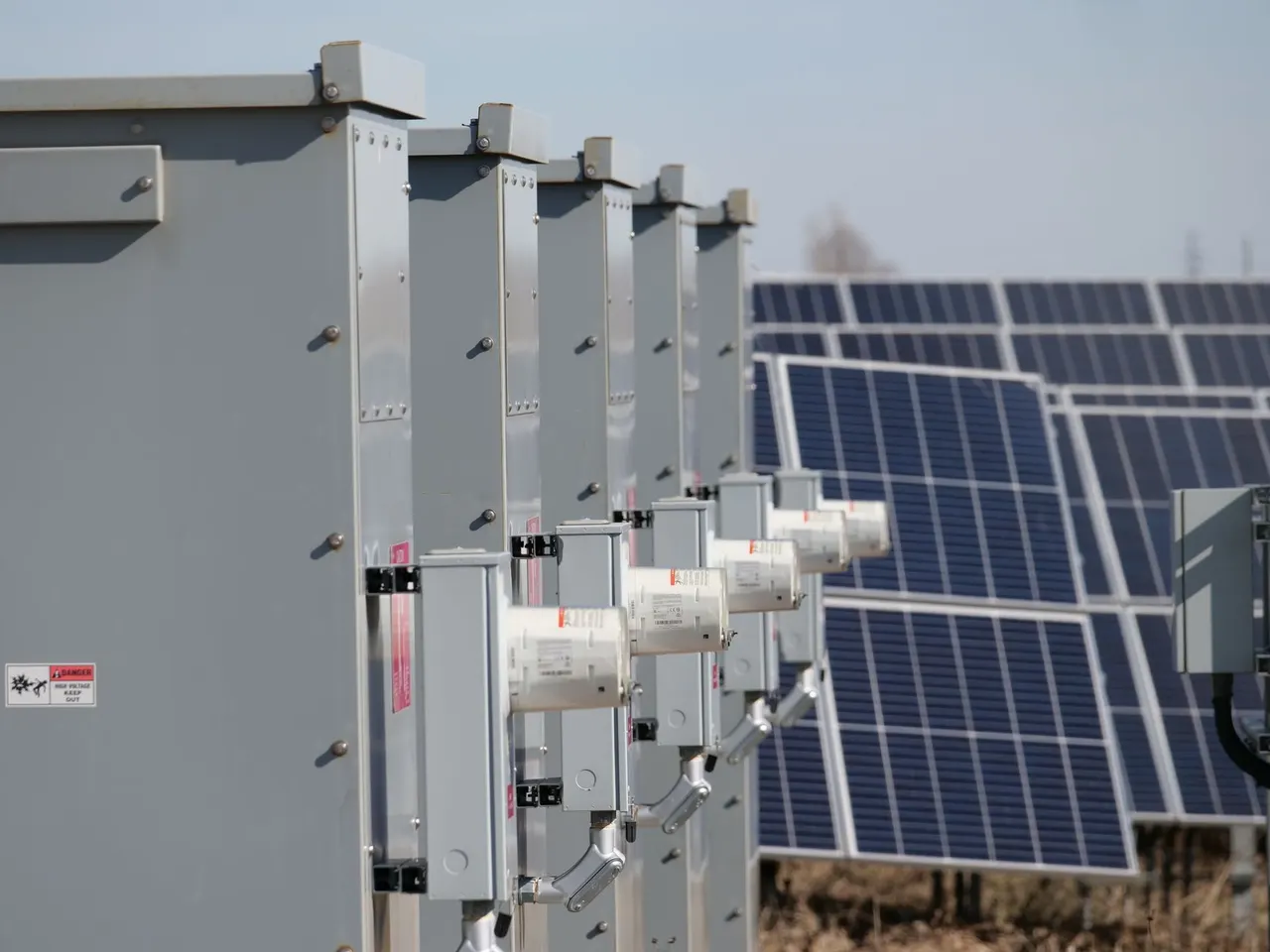
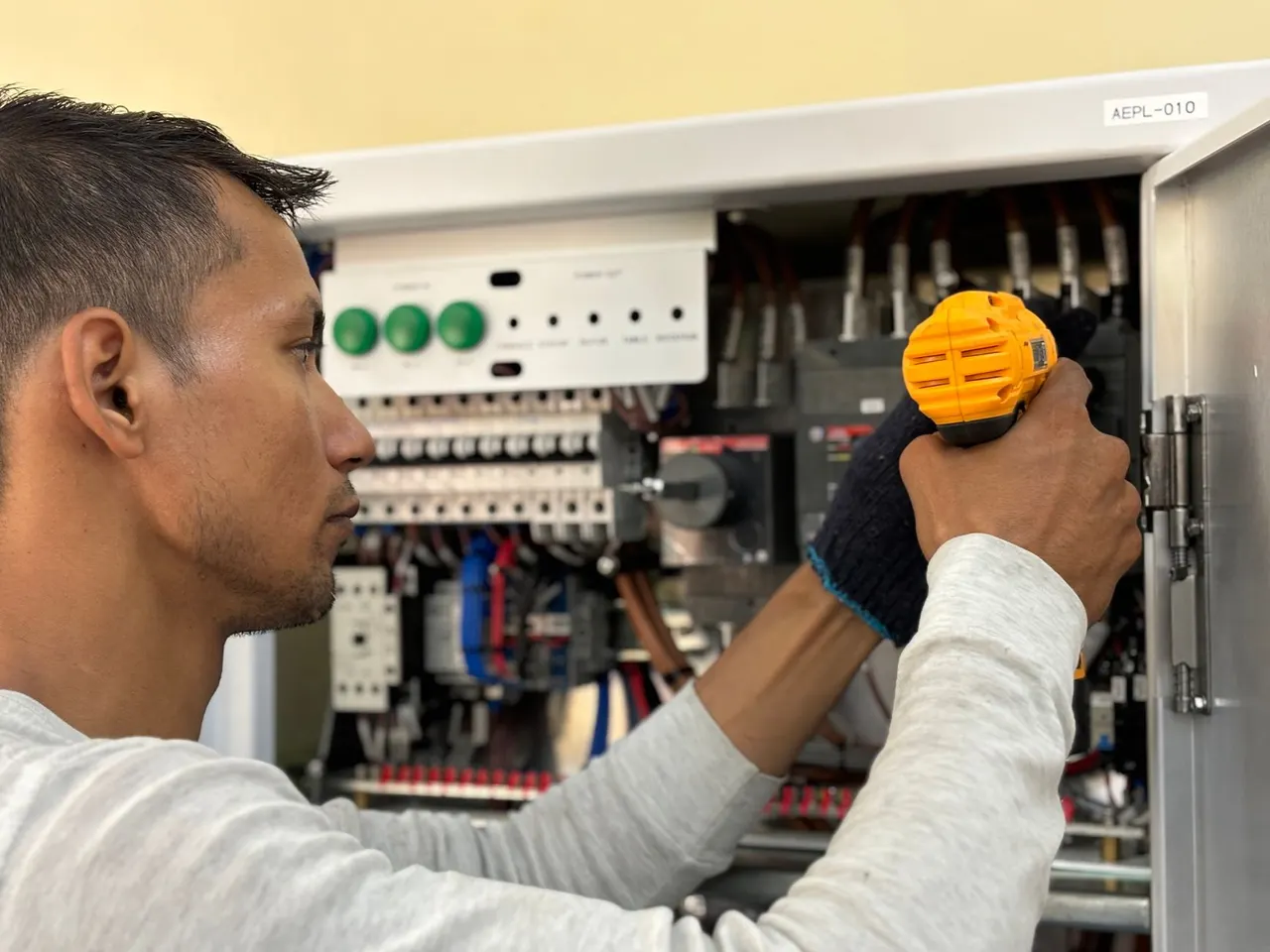
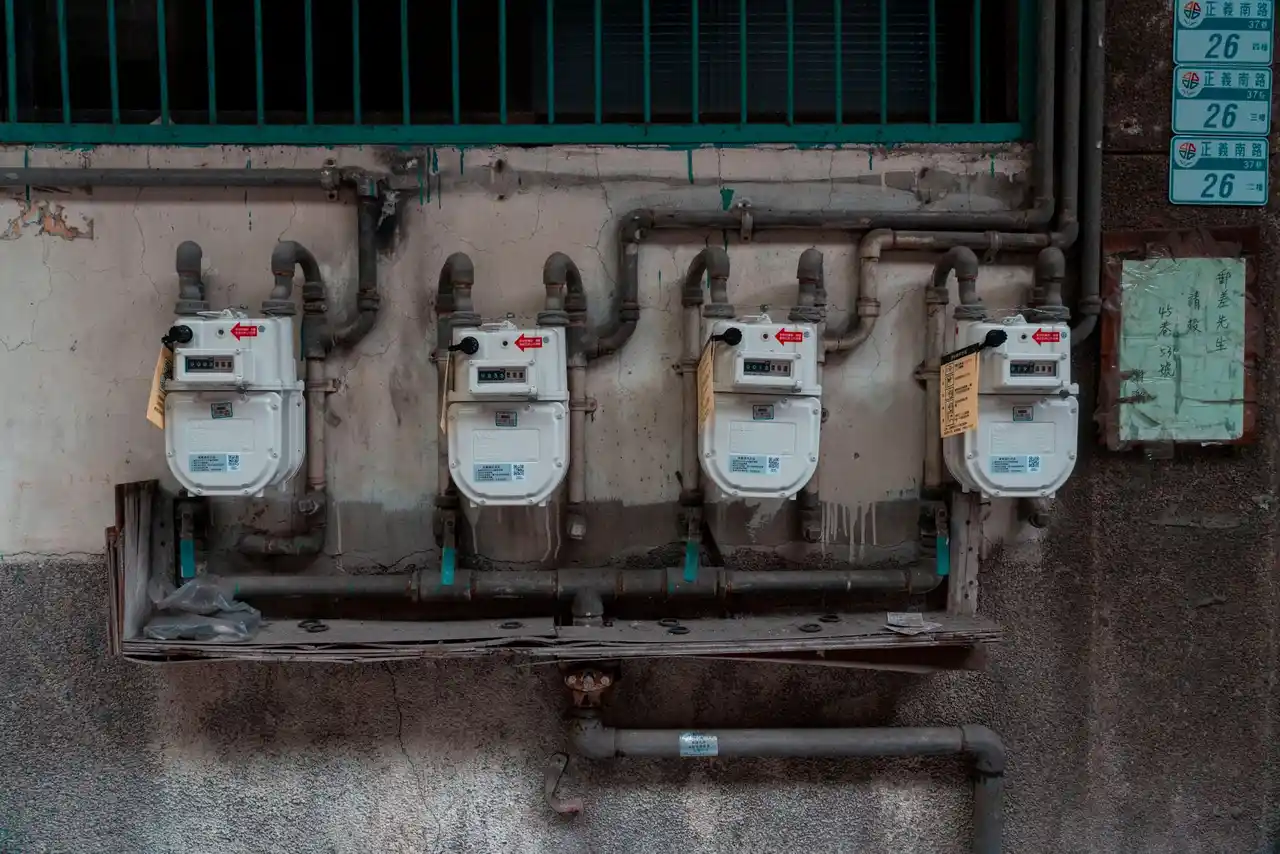
We service commercial meter packs and three-phase bases for Rocky Mount property managers. We schedule around your hours and keep downtime short.
A plain-language look at what Meter Base Upgrade involves and when it is needed.
See how it worksA meter base upgrade Rocky Mount NC is the replacement of the outdoor enclosure that holds your electric meter, along with the service entrance cable, grounding wire, and hub that connect it to your panel. The meter socket inside that can is what the utility uses to measure power, and it takes the full load of your home. When the socket is rusted, loose, or rated for less amperage than your panel, the whole service becomes a weak point. We remove the old can, install a new Milbank or Square D meter socket rated for your service size, and torque every lug to spec with a torque screwdriver.
Most Rocky Mount homes built before 1990 still have a 100-amp meter base, and that is not enough for a heat pump, an EV charger, and a modern kitchen on the same service. We see rusted cans in Mill Village and Englewood after decades of humid summers, and we see meter sockets that have been double-tapped by a previous owner. If you are searching for a meter base upgrade Rocky Mount NC near me, the first step is a load calculation and a visual inspection of the service mast, conduit, and breaker panel. From there we tell you exactly what has to change and what can stay.
A meter base upgrade replaces the outdoor socket that carries your home's full electrical load.
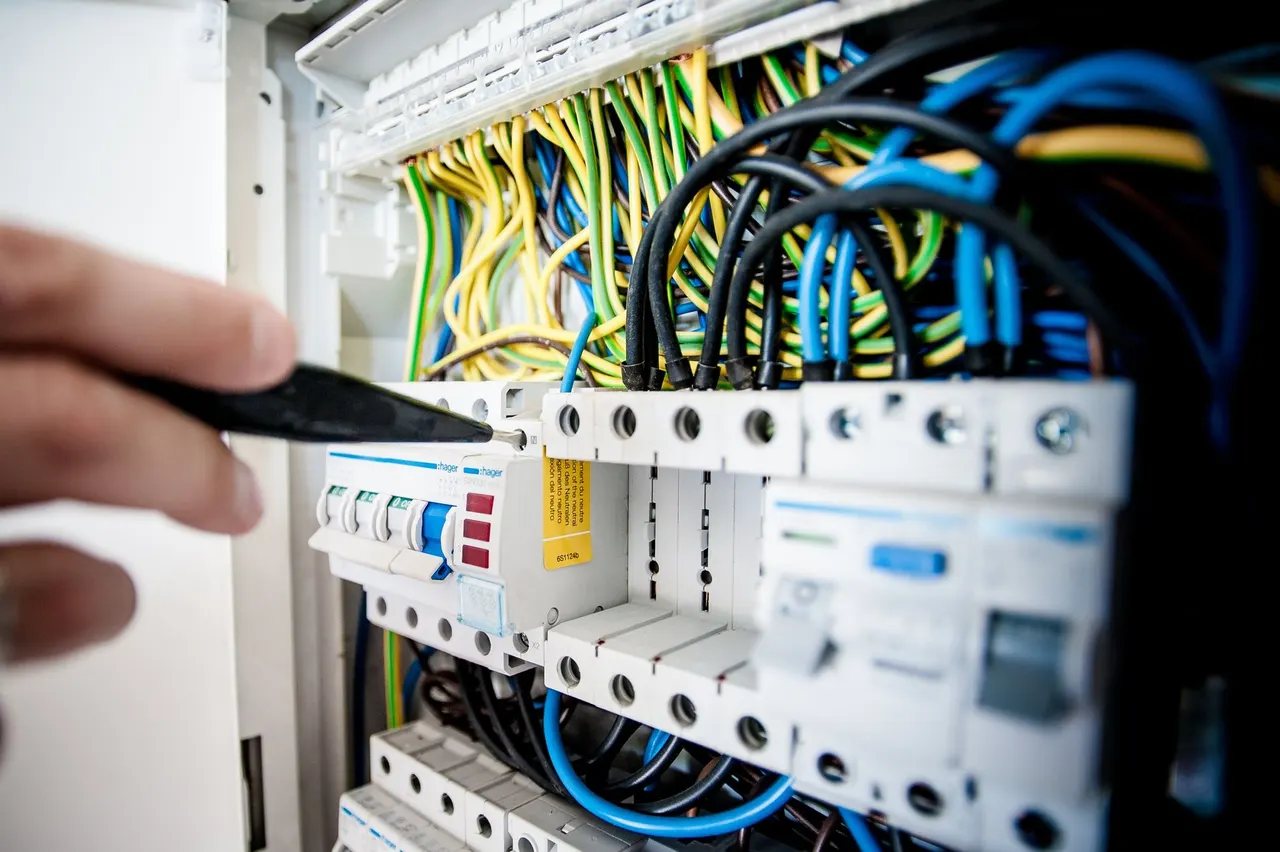
We handle the utility coordination, the permit, and the inspection so you are not making phone calls. Here is what the job looks like from the first visit to the final walkthrough.
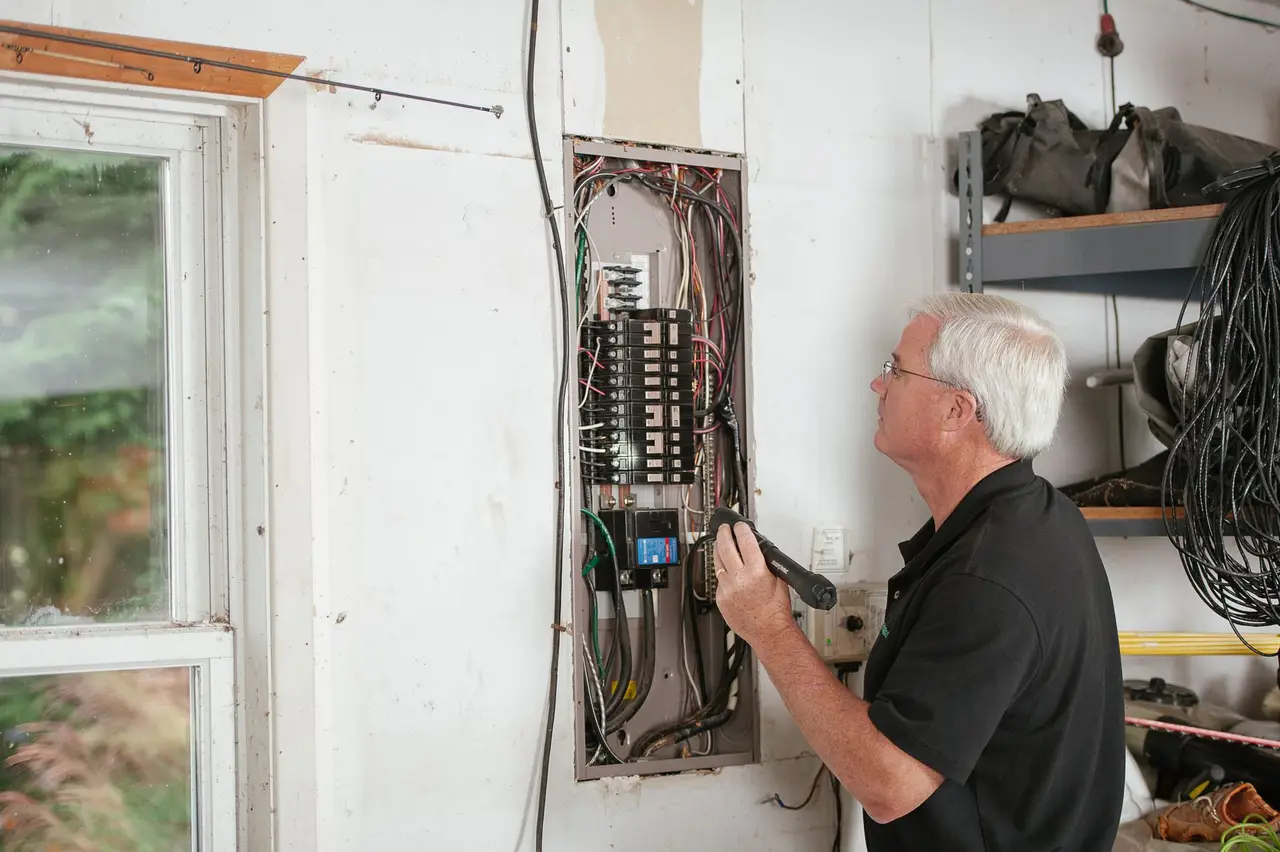
We open the meter can, check the socket for heat damage, and measure the service entrance cable. You get a written price for the meter base upgrade before we schedule the work. Most inspections take 30 to 45 minutes.
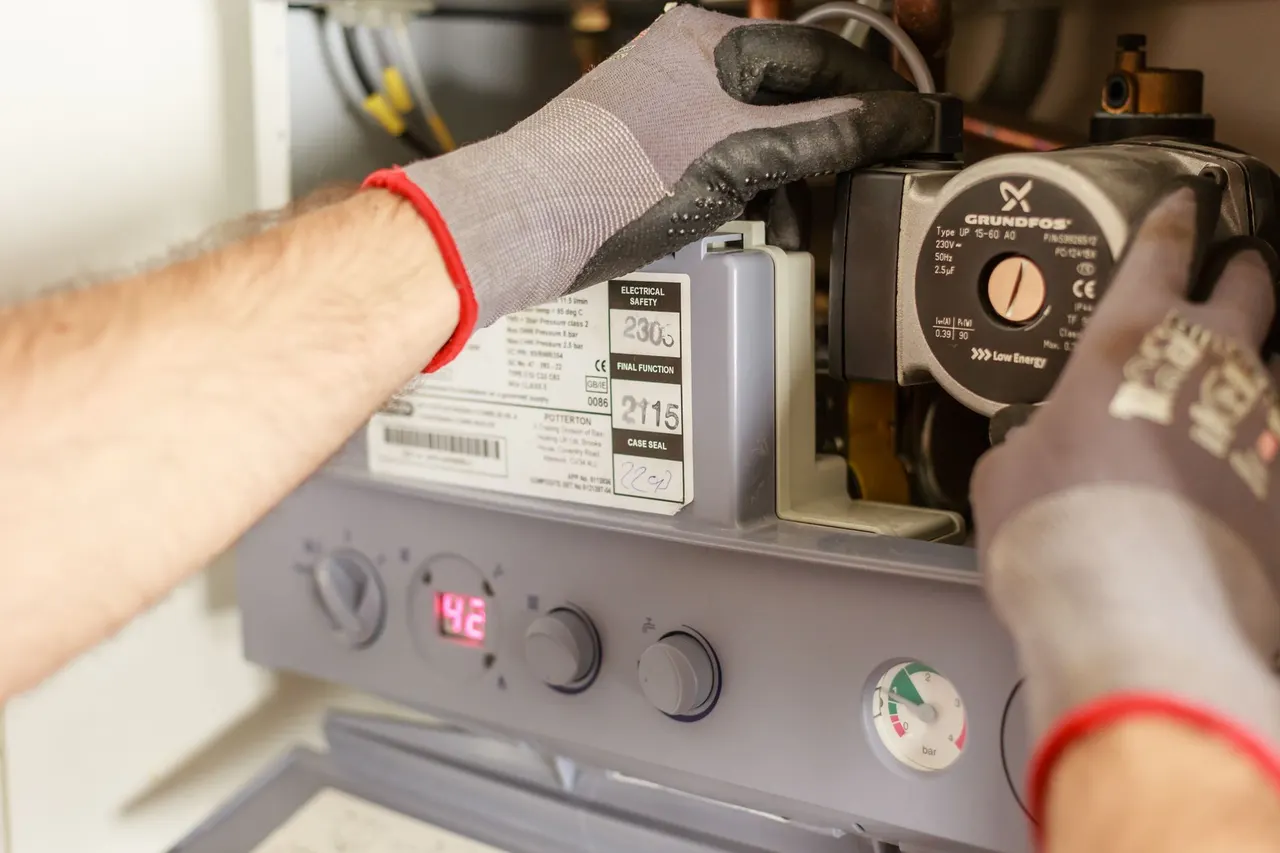
We file the electrical permit with Nash County and schedule the utility disconnect. You do not have to be home for this step. We handle the paperwork and give you the permit number for your records.
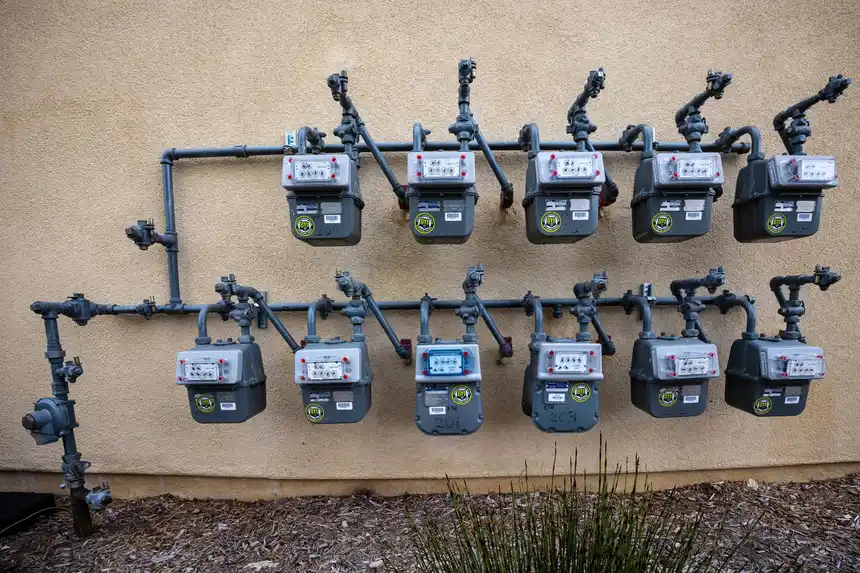
On install day the utility pulls the meter and cuts power at the transformer. We remove the old can, the deteriorated conduit, and any rusted hardware. The power stays off for two to four hours, and we tell you ahead of time so you can plan around it.
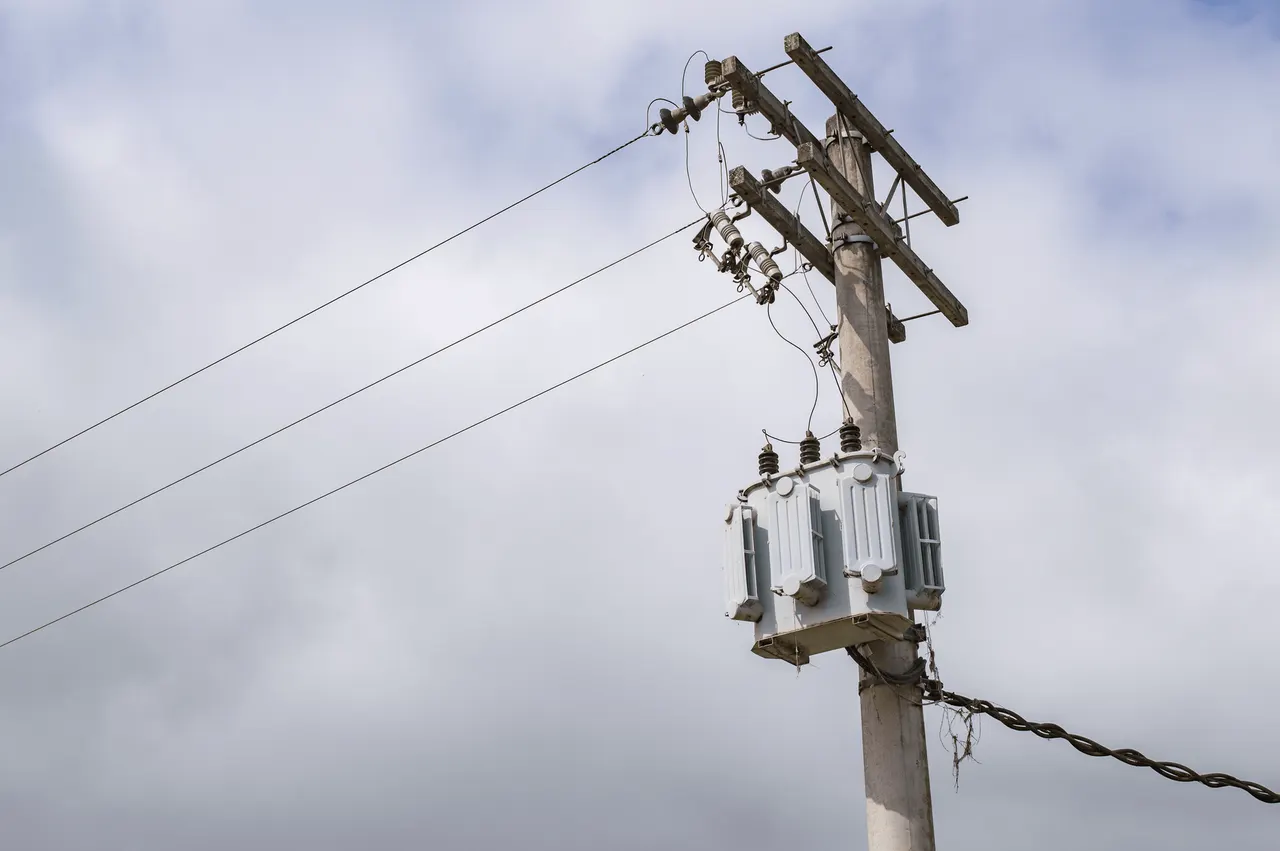
We mount the new meter socket, run new service entrance cable, and land the grounding wire on a new ground rod. Every lug gets torqued with a torque screwdriver to the manufacturer spec. We use a clamp meter to confirm the load side is balanced before we call for reconnect.
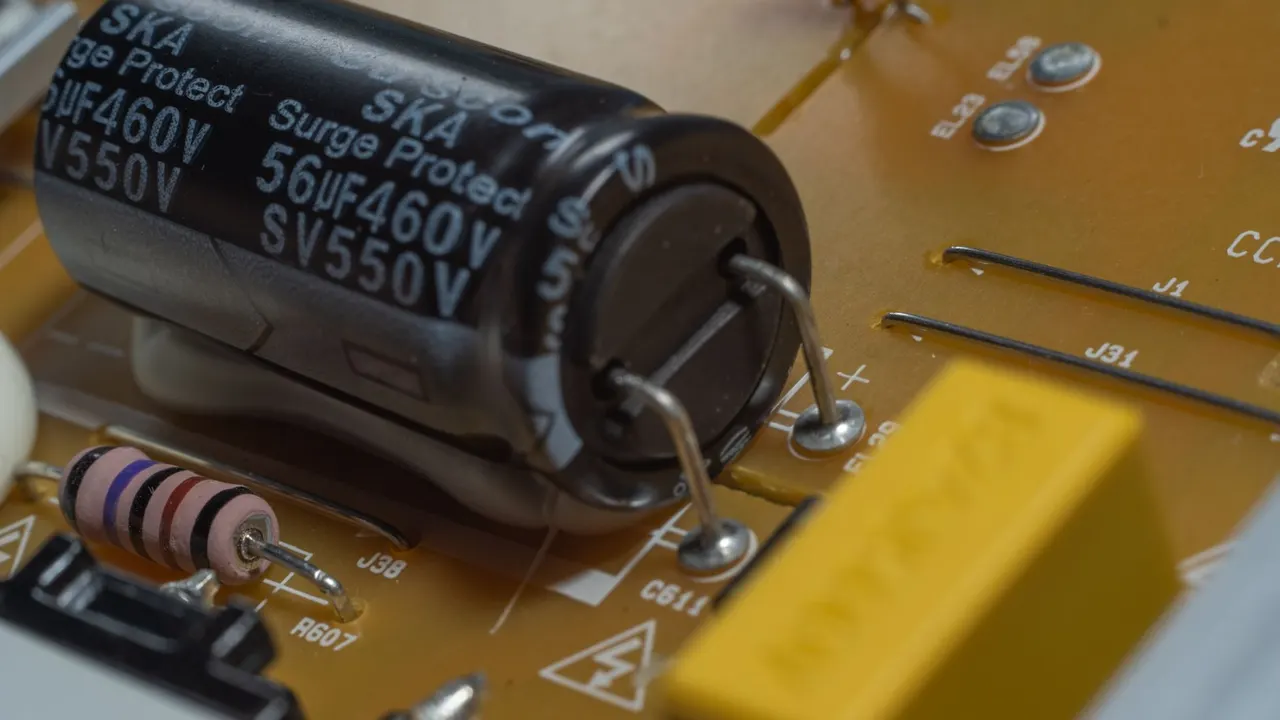
The utility reinstalls the meter and restores power. We test voltage at the panel, check for flickering lights, and verify the grounding path with a voltage tester. You get a walkthrough of what changed and a copy of the inspection paperwork.
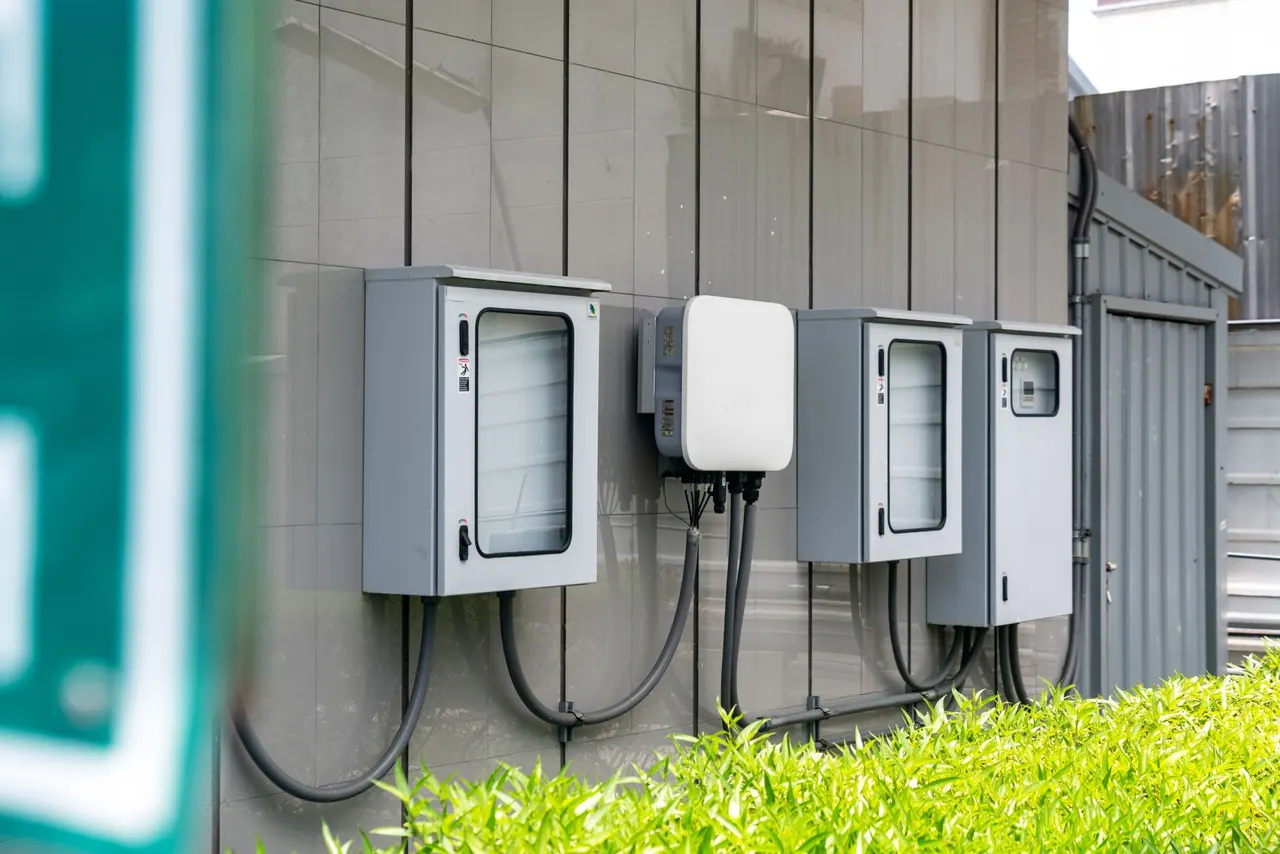
Move across a circle, or focus it and press Enter, for an illustrative thermal view of the photograph.
We clamp the service entrance conductors to measure actual load on each leg. That tells us whether the meter base is sized correctly before we remove it.
Every lug on the meter socket and panel gets torqued to the manufacturer spec.
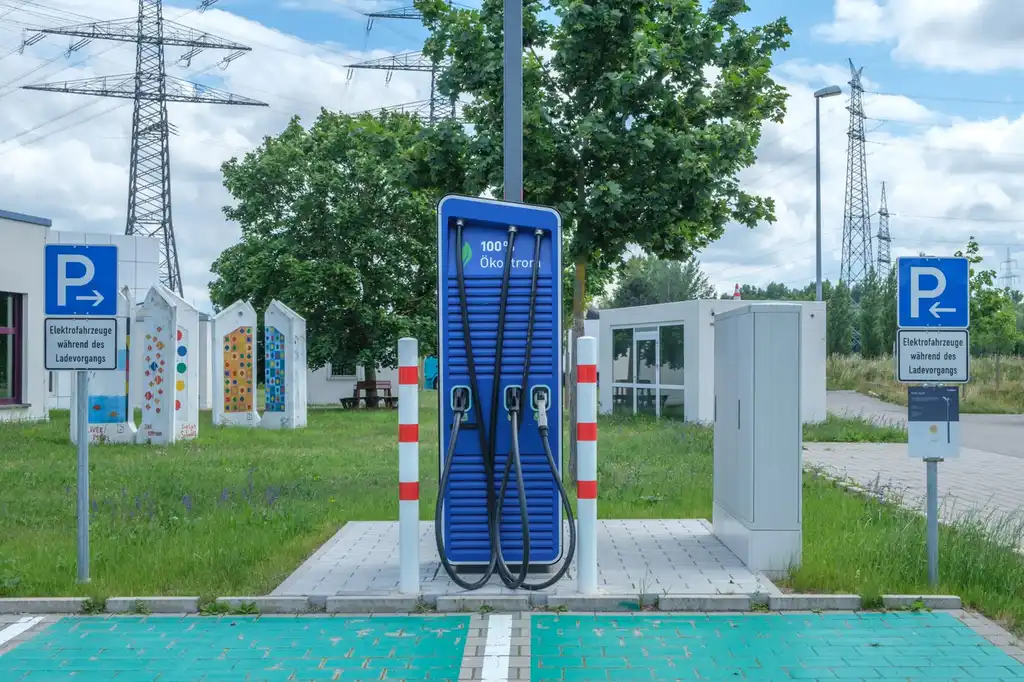
We verify the absence of voltage before we touch the service and confirm correct voltage after the reconnect. It is a safety check we do every time.
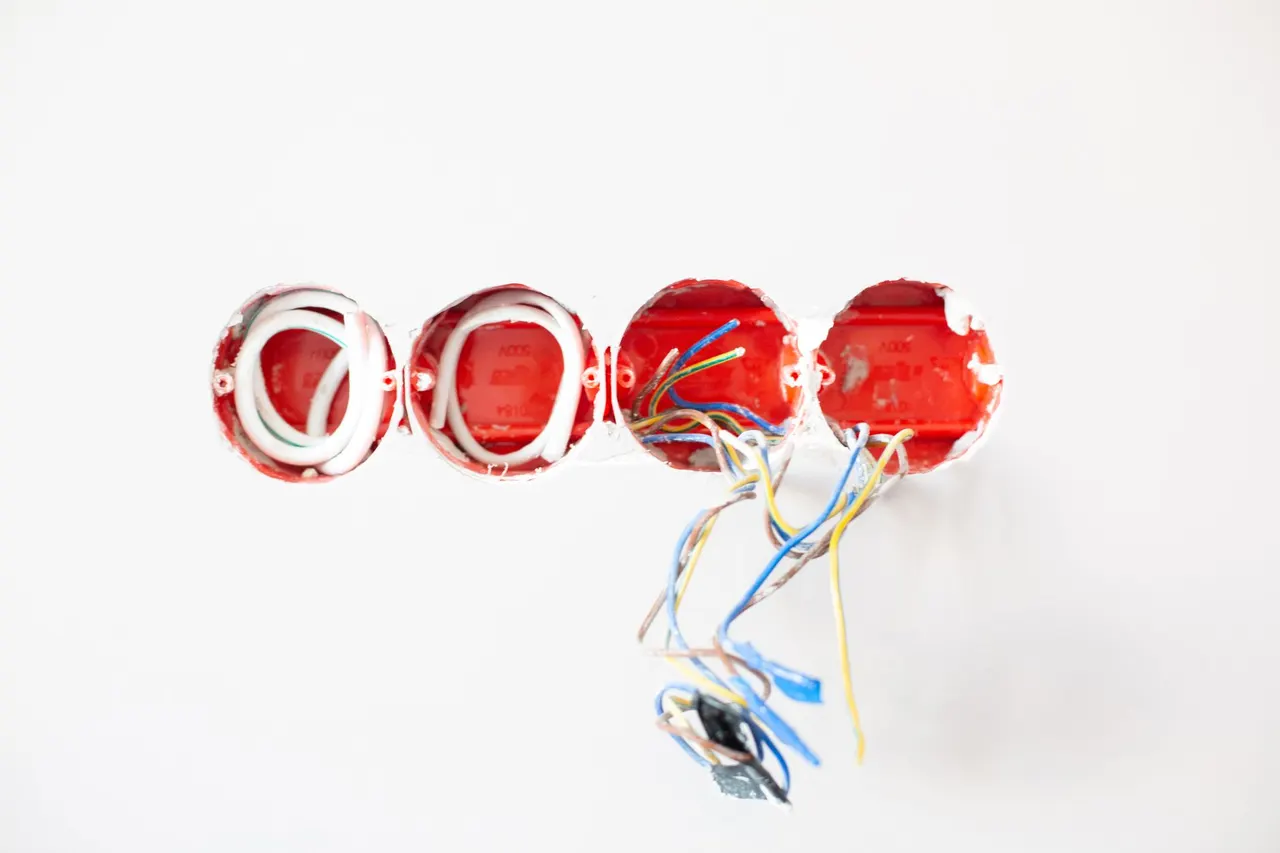
We use it to check continuity on the grounding path and to diagnose flickering lights or tripping breakers after the new base is installed.
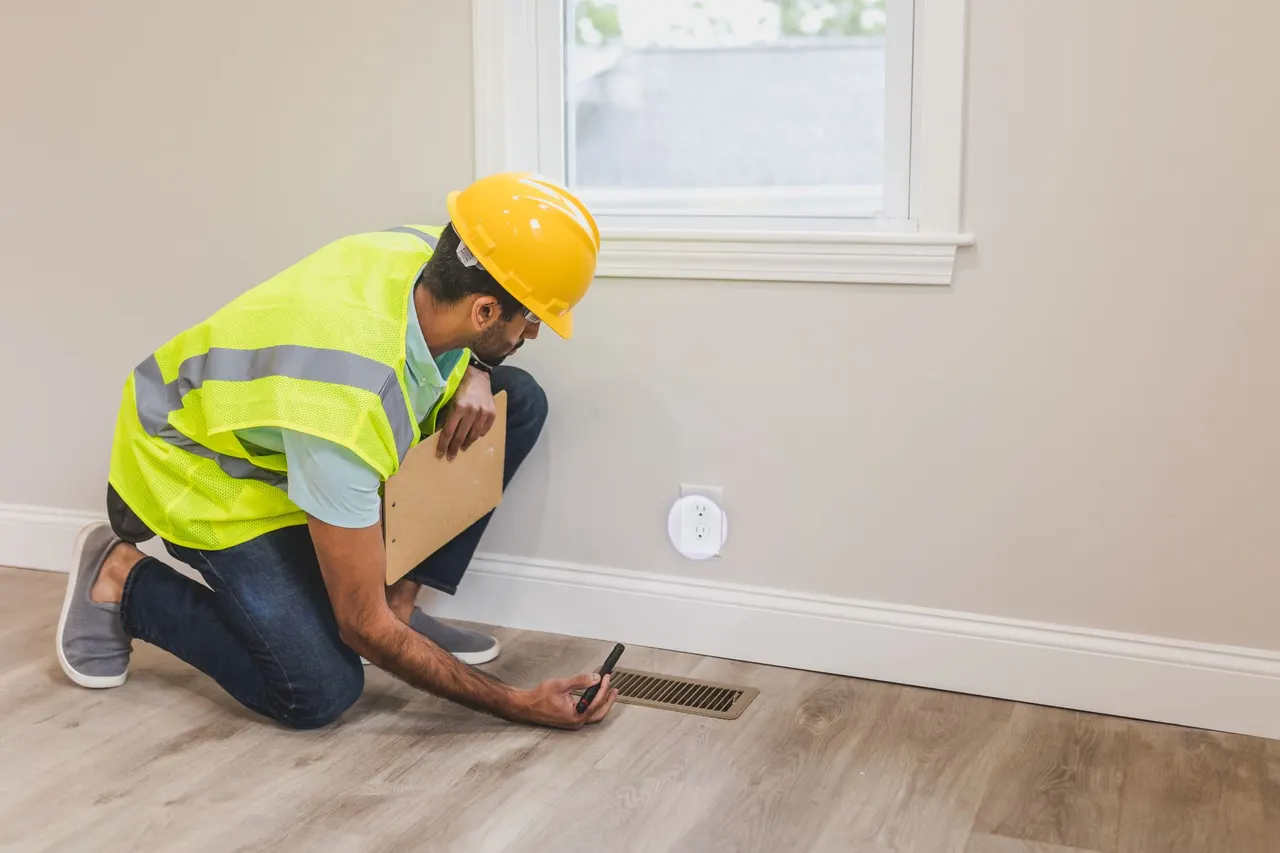
Clean strips on the service entrance cable prevent nicked conductors and ensure a solid landing in the meter socket lugs.
Thermal views are illustrative, generated from the photographs.
We wear them any time we are working near the line side of the service. The utility may not have pulled the meter yet when we arrive.
Large service entrance cable is stiff and heavy. A cable puller lets us route it through conduit without damaging the insulation.
We calculate the connected load on your service before sizing the meter base. That prevents installing a base that cannot carry the panel, and it is the method the inspector expects to see.
Every meter socket we install is UL listed and matched to the service amperage. We do not mix brands or reuse a can that has heat damage.
We treat the line side of the service as live until the utility confirms the disconnect. Our crew follows OSHA lockout and PPE rules on every job.
We file the permit before we schedule the work and meet the Nash County inspector on site. The job is not closed out until the inspection passes.
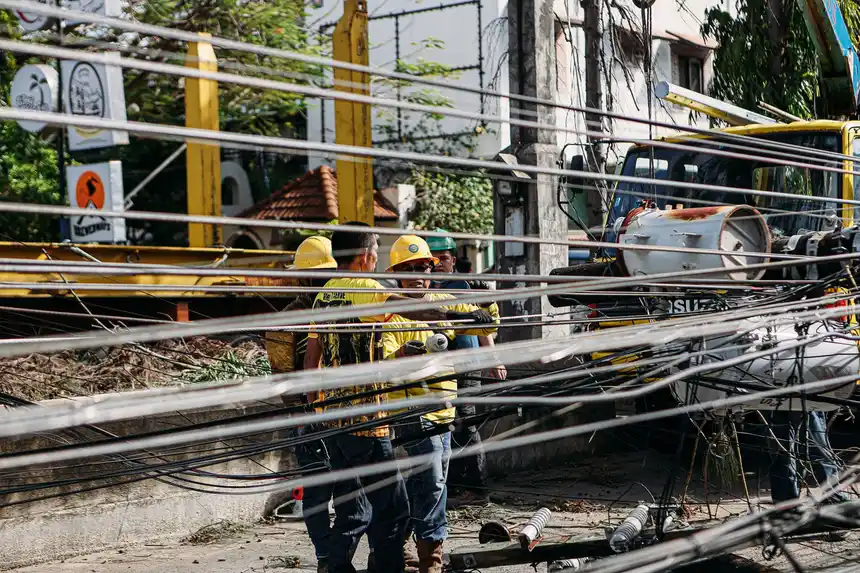
A homeowner in Englewood is adding a 200-amp panel and the existing meter base is only rated for 100 amps.
We replace the meter base and the panel in one visit, run new service entrance cable, and install a new ground rod. One permit covers both, and the utility only disconnects once.
Outcome: The home gets the full 200 amps, the inspection passes, and the homeowner avoids a second disconnect fee.

A property manager near Rocky Mount Mills has a commercial meter pack with a loose lug that is overheating.
We inspect the pack, torque the lugs, and replace the damaged meter socket. We coordinate with the utility to keep downtime under four hours for the tenants.
Outcome: The heat is gone, the meter reads correctly, and the building passes its annual electrical check.
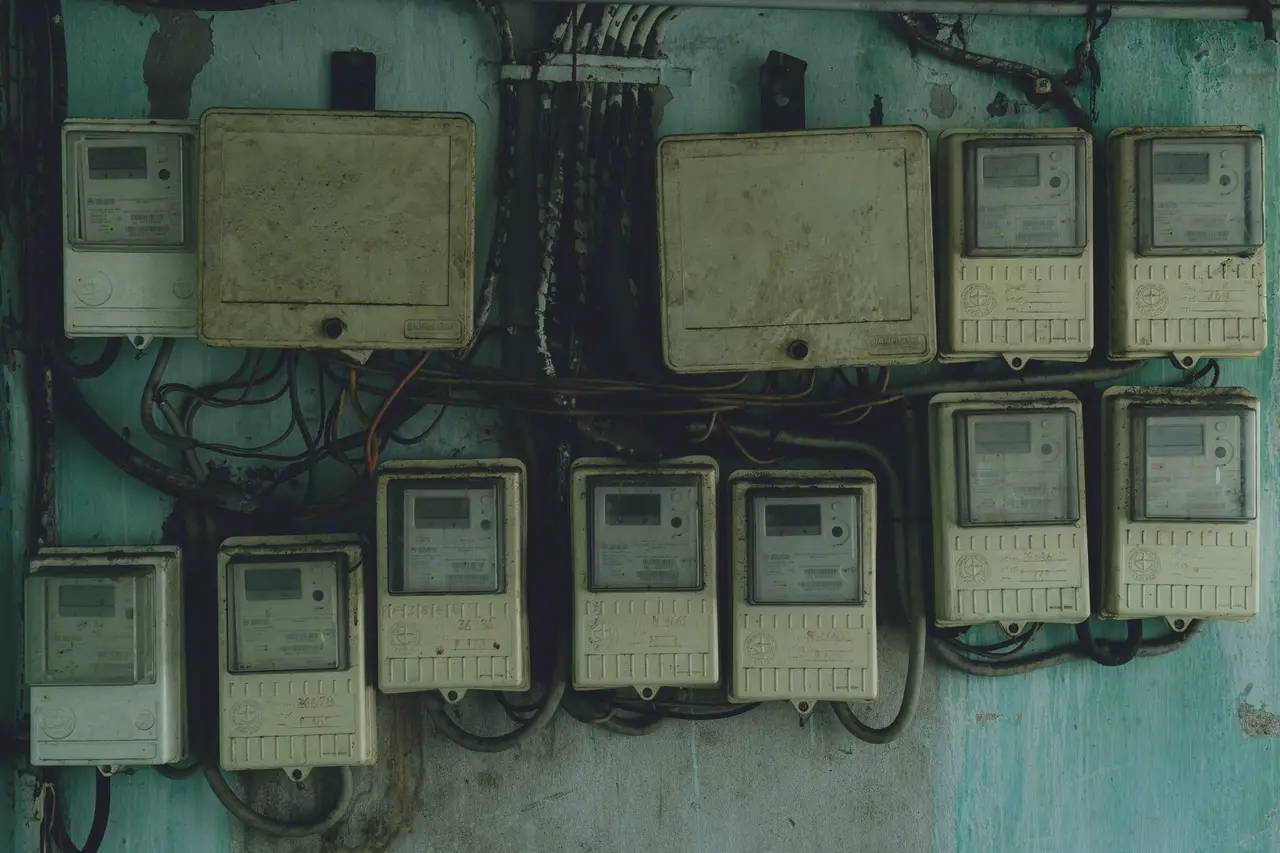
A homeowner in Stoney Creek gets a utility notice that the meter can is rusted and needs replacement.
We inspect the can, confirm the rust is in the socket and not just the paint, and install a new meter base with a sealed hub. We handle the utility paperwork and the Nash County permit.
Outcome: The utility removes the red tag, power stays on, and the homeowner has a documented upgrade for insurance.
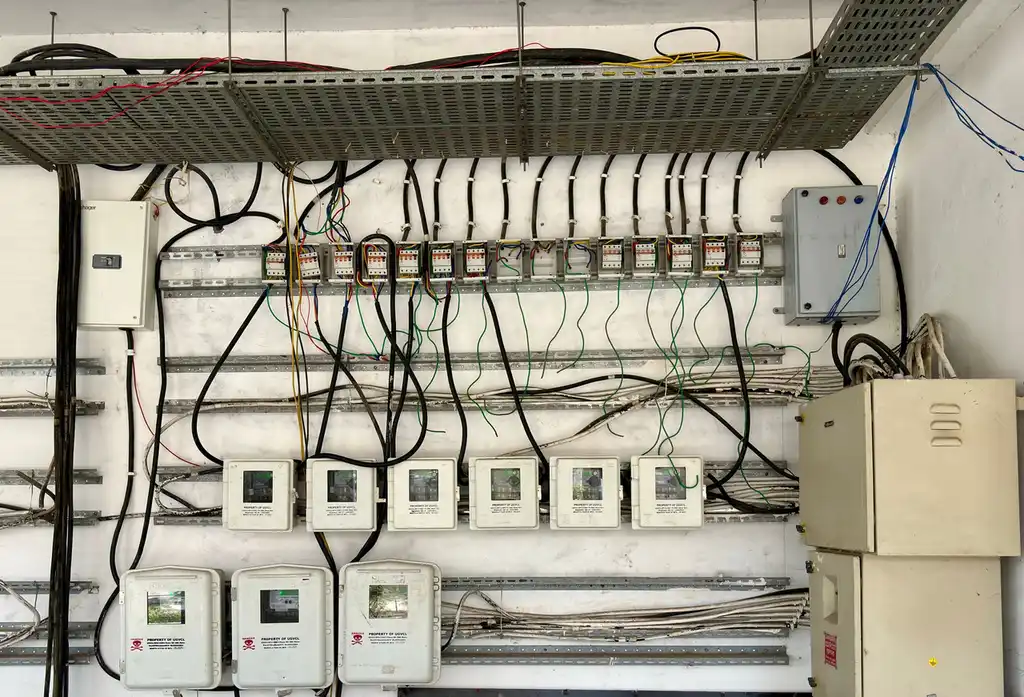
A homeowner in Oakwood is installing a generator and needs a transfer switch fed from a reliable meter base.
We replace the old base, install the transfer switch, and label the circuits that will run during an outage. We test the setup under load before we leave.
Outcome: The generator powers the right circuits, the meter base is code-correct, and the homeowner is ready for storm season.
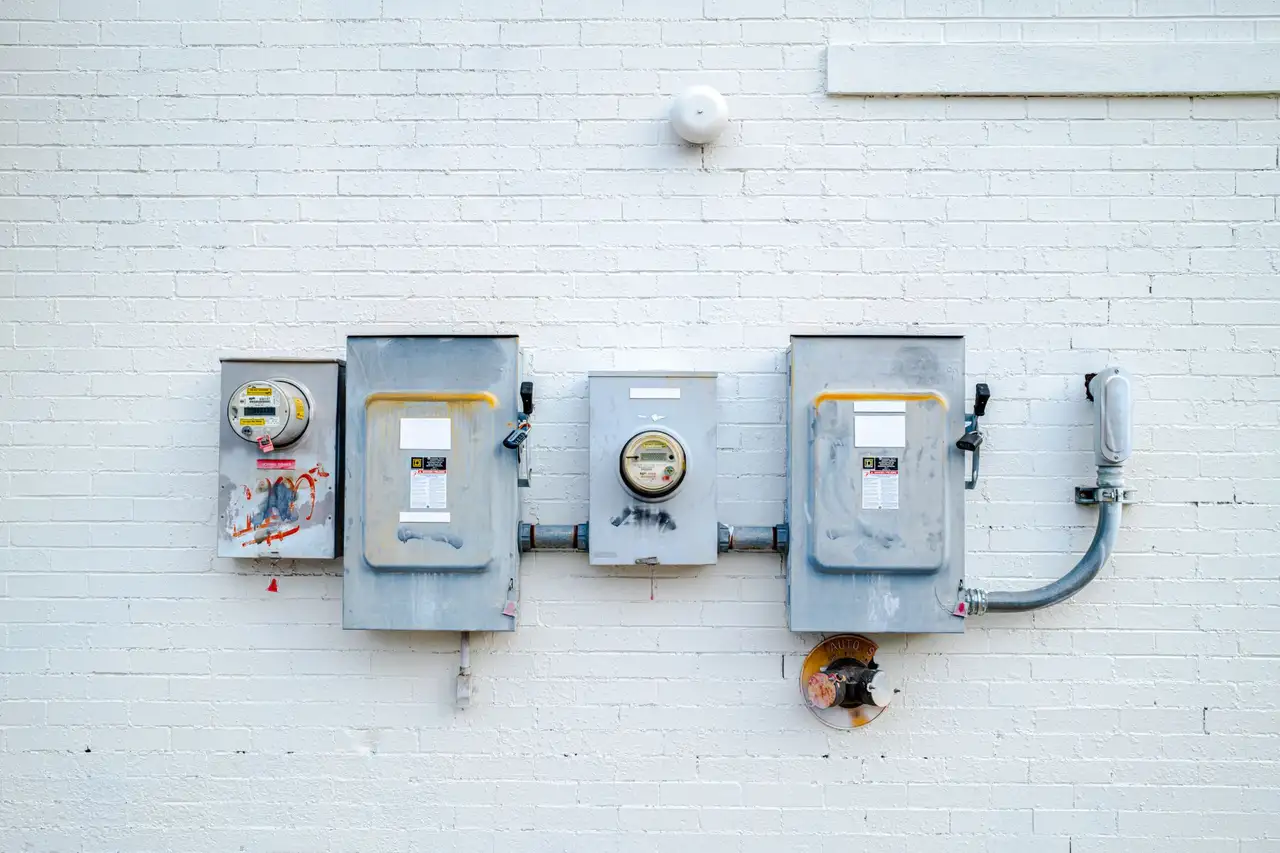
A homeowner in West Haven is adding an EV charger and the electrician finds the meter base is undersized.
We upgrade the meter base and panel to 200 amps, install a dedicated 50-amp circuit for the charger, and balance the load across both legs.
Outcome: The charger runs at full speed without dimming the lights, and the service has room for future additions.
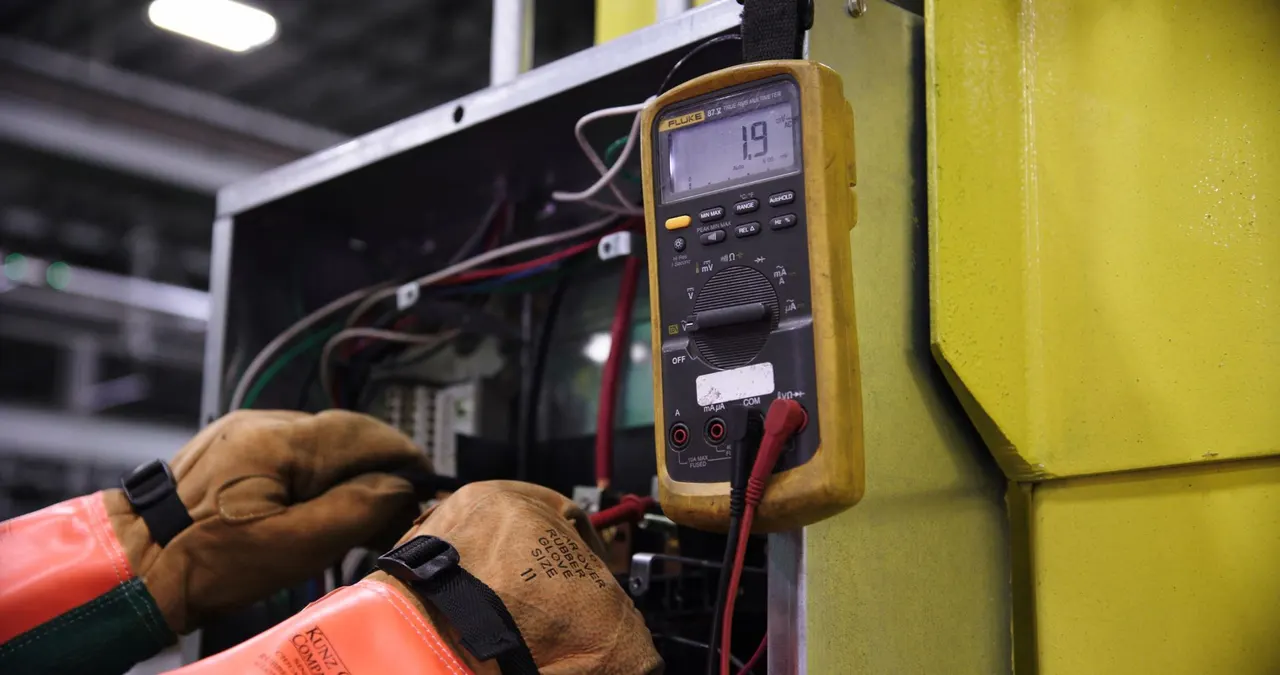
Rocky Mount sits in Nash County, and the building stock here ranges from 1940s mill houses to new construction near Westridge. Older homes in Mill Village and Englewood often have a 100-amp meter base with a rusted can, and the service mast may be tied into original wood framing. The humid summers and occasional ice storms push water into the socket and stress the mast.
We see a lot of meter socket replacement Rocky Mount NC work after a storm knocks the weatherhead loose. Our crews pull permits through Nash County and coordinate with the utility for the disconnect, which usually happens in the morning. If you need an emergency meter base upgrade Rocky Mount NC, we prioritize burning or sparking cans and get an electrician out the same day.
We also work with the 2023 NEC grounding rules, which are stricter than what many older services were built to.
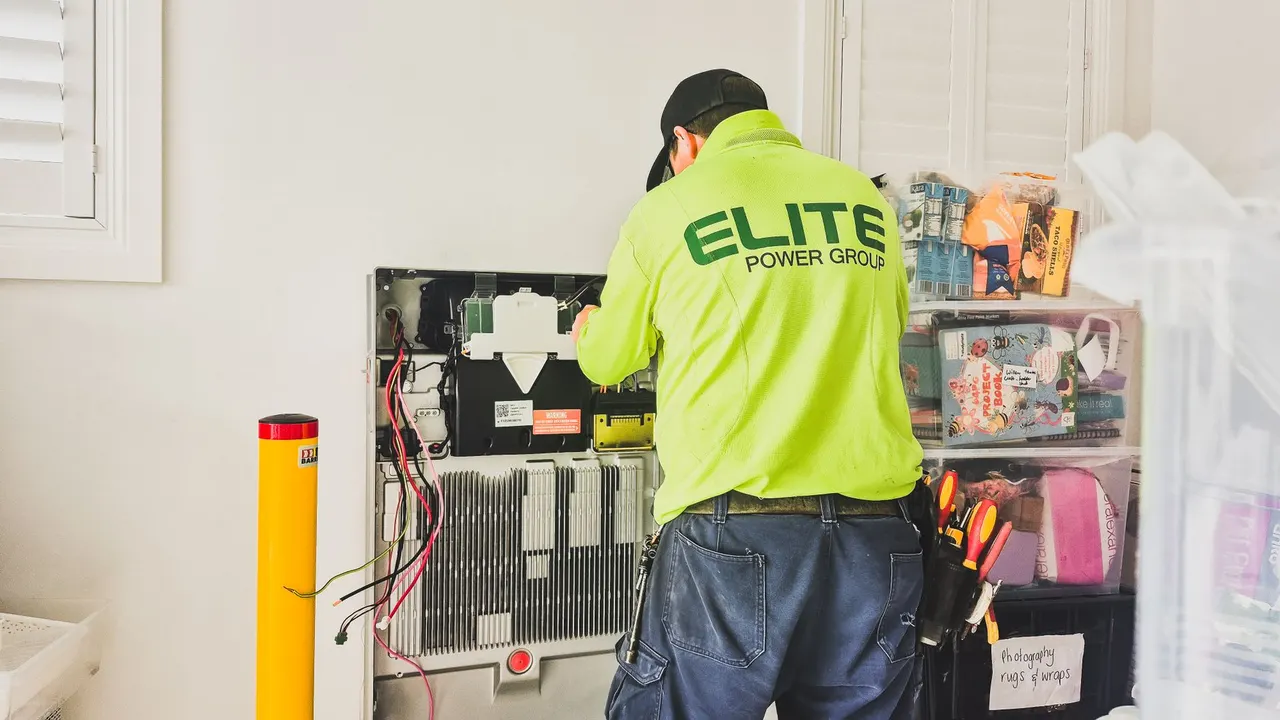
Before: A 1950s home had a meter can rusted through at the bottom, with water staining on the wall below it. The socket showed heat discoloration on one lug, and the service was still rated for 100 amps while the panel had been upgraded to 200.
After: We installed a new 200-amp meter base, replaced the service entrance cable, and drove a new ground rod. The utility reconnect took 90 minutes. The inspector signed off the next week, and the homeowner gained the full 200 amps the panel was waiting for.
Keep the hub sealed and check the can for rust each spring. If you see water stains below the meter, call before the socket corrodes again.
Before: A small office near Rocky Mount Mills had a meter pack with a loose lug that was hot to the touch. The tenants reported flickering lights when the HVAC started. The utility had flagged the connection during a routine read.
After: We replaced the damaged meter socket, torqued all lugs to spec, and balanced the load across the phases. Downtime was three hours. The flickering stopped, and the building passed its electrical inspection with no corrections.
Schedule an annual torque check on commercial meter packs. Heat damage starts small and shows up as flickering lights first.
Before: A fallen limb pulled the service mast away from the wall and cracked the meter hub. Rain was entering the socket, and the utility had left a red tag. The homeowner needed power restored before the weekend.
After: We replaced the mast, installed a new meter base with a sealed hub, and re-secured the service to the framing. The utility reconnected the same afternoon. The red tag was cleared, and the service passed inspection two days later.
Trim limbs away from the service drop and check the mast for movement after any storm. A loose mast is easier to fix than a cracked hub.
A failing meter base rarely fixes itself. These are the problems we see most often on Rocky Mount service calls, and what happens if you leave them alone.
A new meter base restores full power and removes a fire hazard.
An undersized or corroded meter socket chokes the power your panel can draw. When we install a 200-amp meter base, your heat pump, range, and dryer stop competing for the same load. We verify the service entrance cable matches the new socket so you get the full amperage you paid for.
A rusted meter can lets water into the socket, and a loose lug heats up every time the AC kicks on. We have opened cans in Stoney Creek where the insulation had melted off the line side. Replacing the base removes that heat source and gives the utility a safe connection point.
Nash County inspectors look for a UL listed meter socket, proper grounding, and a mast that is secure to the wall. We install to NEC 2023 and leave the bonding and grounding ready for the inspection. If the inspector flags something, we come back and fix it.
A 400-amp meter base or a 200-amp base with a dedicated feed gives you room to add a subpanel, transfer switch, or EV charger without tearing into the service again. We label the circuits and leave you a panel schedule so the next electrician knows what they are looking at.
What a written scope covers and what shapes it. Prices are set by the business after the first look.
Included
Depends on
Clear records you can keep and share.
Price for the meter base work
Nash County permit number
Labeled circuits after the job
Signed-off inspection paperwork
The size of your meter base sets the ceiling for the whole service. Here is how the common ratings compare.
Older homes with basic loads
Modern homes with large loads
Large homes and businesses
A list like this tells people straight away whether you cover their street. Not listed? Call and ask: it only takes a minute.
Based in Rocky Mount and covering the places around it. Pick one for local details.
A straightforward 200-amp swap with a new ground rod sits near the lower end. If the service mast, conduit, or panel also needs replacement, the price climbs. We give you a written number after a 30-minute inspection so you are not guessing.
You need one if the meter can is rusted through, pulling away from the wall, or has a cracked socket. You also need it if your panel was upgraded to 200 amps but the meter base is still rated for 100. A flickering meter, burning smell near the can, or a utility red tag are all signs to call. We inspect and tell you honestly whether a repair will do.
The on-site work takes two to four hours for a standard 200-amp meter base replacement. The utility disconnect and reconnect add another one to three hours depending on their schedule. Most jobs are finished in a single day, and we tell you the window when you book. If the service mast needs replacement, plan for a full day.
Yes. Pairing a meter base replacement for panel upgrade Rocky Mount NC work saves you a second disconnect fee and a second inspection. We often install a new 200-amp panel and meter socket in one visit. The combined job usually takes six to eight hours, and you get one permit and one walkthrough at the end.
Other services from the same team.
If your meter can is rusted, loose, or undersized, do not wait for the utility to red-tag it. Call (252) 809-7893 and we will inspect it, quote the work, and pull the permit. We are a local shop, and we answer the phone.
Call us at (252) 809-7893 or send a message and we will get back to you the same business day. We answer the phone during normal hours and roll on emergency panel calls after hours. Tell us what the panel is doing and we will tell you what it takes to fix it.