For Homes
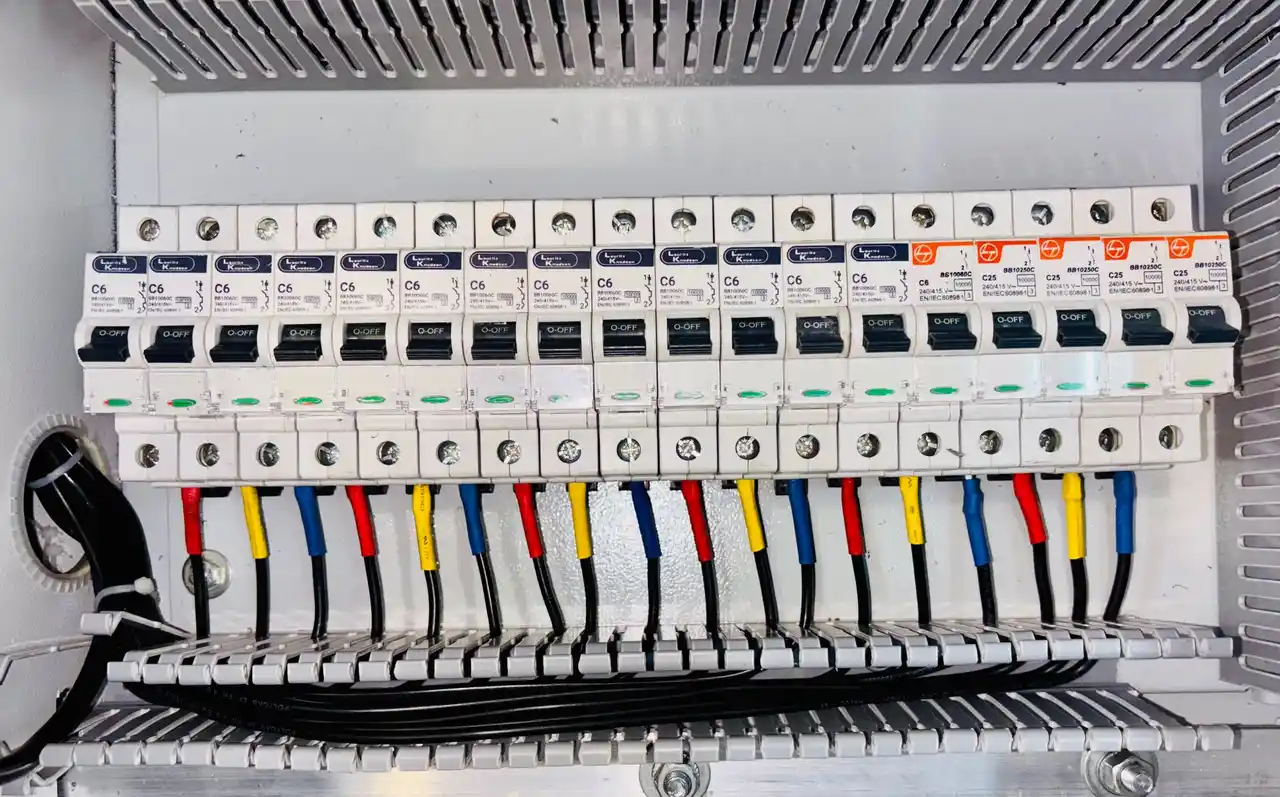
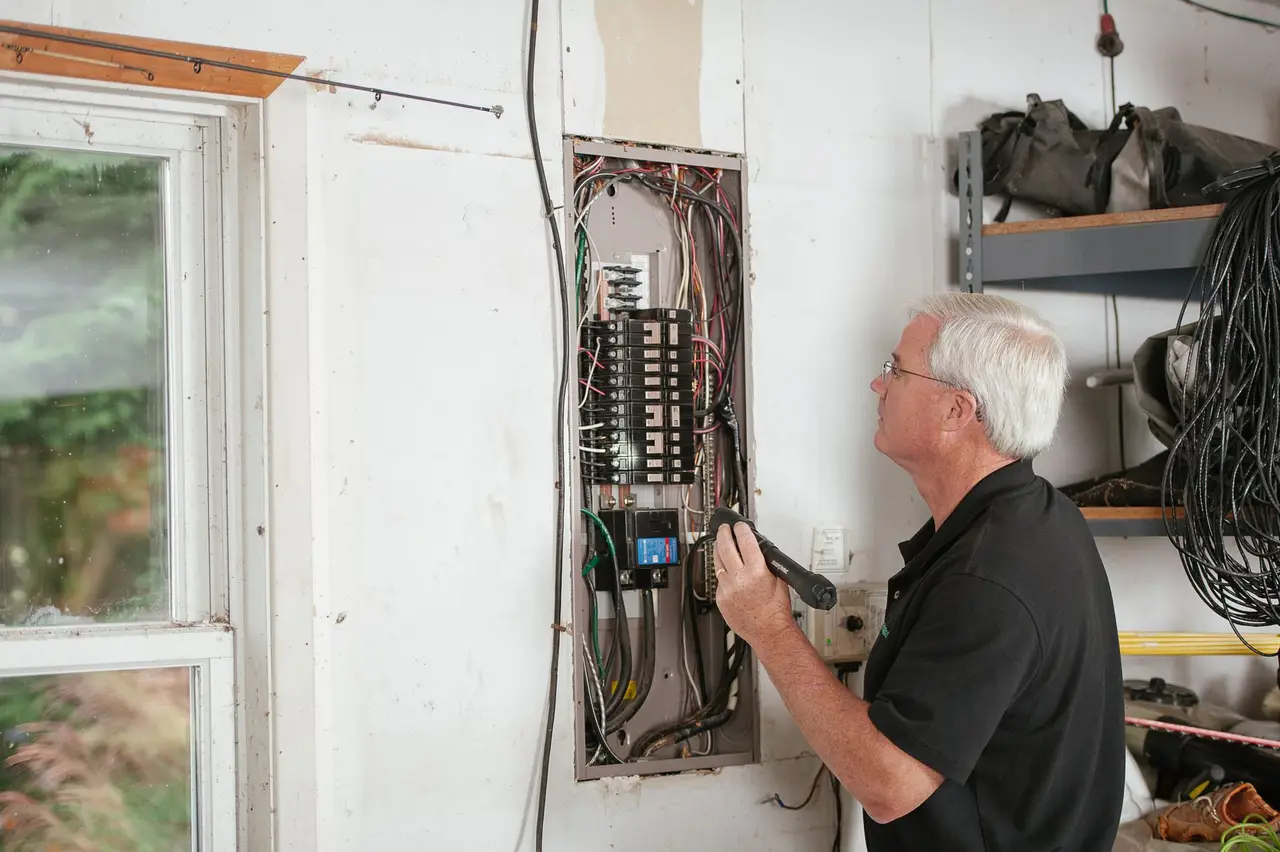
Homes often run out of breaker space before they run out of service capacity. We add a subpanel so your garage, shop, or addition gets its own labeled circuits.
- Garage or shop power
- EV charger circuit
- Addition or remodel loads
Subpanel Installation Rocky Mount NC gives you dedicated breaker space for a garage, workshop, addition, or EV charger. We run the feeder, set the grounding, and label every circuit. If your main panel is full or your lights dim when the saw kicks on, a sub panel install in Rocky Mount NC fixes it. We pull the permit and walk you through the finished work.
 Load checkFeeder sizingBreaker labeling
Every subpanel job is different, but the core scope is the same. Here is what we bring, install, and test. Anything outside this list, like a full service upgrade or a long buried feeder, gets priced separately in the written scope.
We measure the existing load with a clamp meter and check the main breaker and meter socket rating. That tells us what size subpanel and feeder your service can safely carry. You get the numbers in the written scope, not a guess.
We supply a UL listed subpanel from Square D, Eaton, or Siemens, plus the branch breakers you need. GFCI and AFCI breakers go where code requires them.
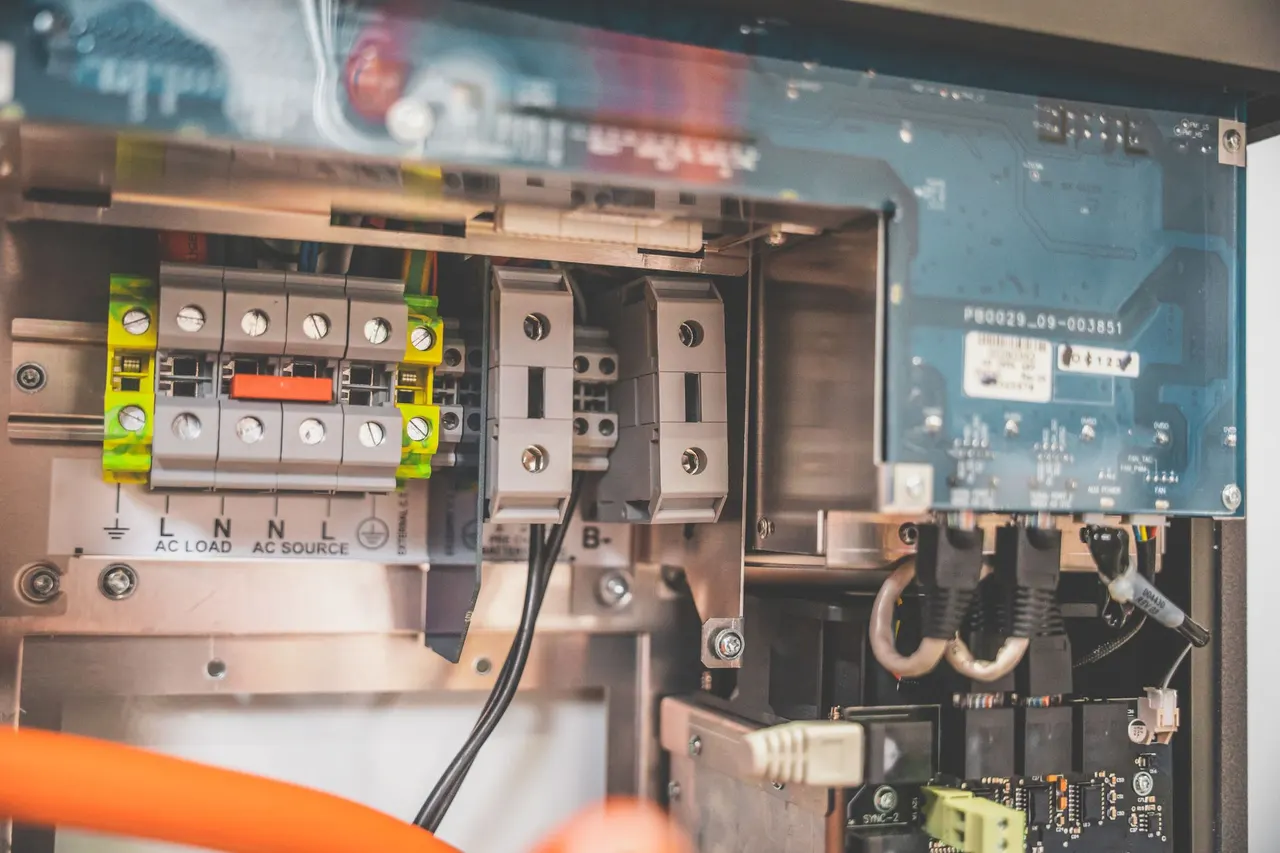
We run the feeder from the main panel to the subpanel, whether that is through a crawlspace, attic, or buried conduit. Grounds and neutrals stay separate on the subpanel bus, and the grounding electrode conductor is sized to NEC 2020 and NEC 2023.
Every breaker gets a printed label, not a pencil scribble. You get a directory that matches the panel, plus a photo of the finished work. That makes future troubleshooting faster for you and for any electrician who comes later.
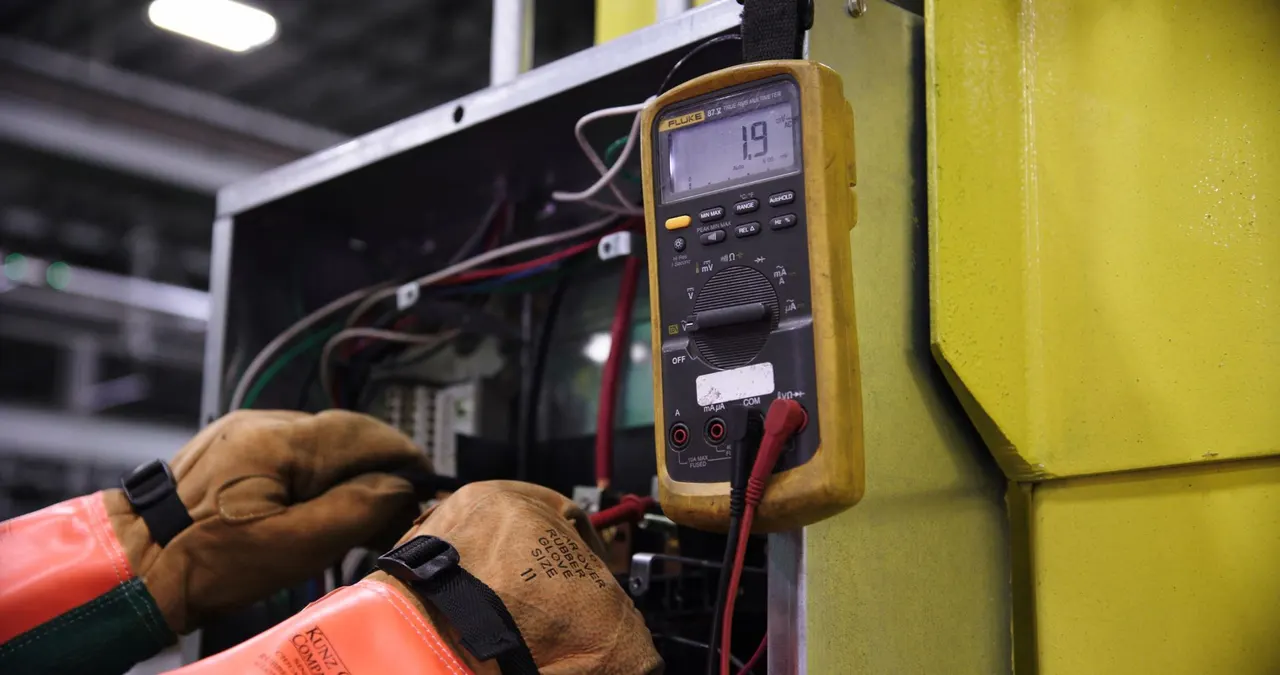
We test each circuit with a voltage tester and multimeter, trip and reset every GFCI and AFCI, and torque the feeder lugs to spec. If the job needs a permit, we pull it and meet the inspector on site.
The approach is the same for a home and a business. What changes is the access, the schedule and who needs the paperwork.
Homes often run out of breaker space before they run out of service capacity. We add a subpanel so your garage, shop, or addition gets its own labeled circuits.
Shops and small commercial spaces add equipment without replacing the whole service. We size the feeder for the real load and schedule around your hours.
A plain-language look at what Subpanel Installation involves and when it is needed.
See how it worksSubpanel Installation Rocky Mount NC is the work of mounting a secondary breaker box, running a feeder from the main service, and landing the branch circuits you need. We size the feeder for the load, not just today's tools. A 60-amp subpanel handles a garage; a 100-amp unit covers a workshop with a welder or a small addition. We install Square D, Eaton, and Siemens panels, torque every lug to spec, and separate grounds from neutrals in the subpanel as NEC 2020 and NEC 2023 require.
Most Rocky Mount homes built before 1985 have a 100-amp main panel with two or three open slots. Add a heat pump, an EV charger, or a detached shop, and you are out of room. A sub panel install Rocky Mount NC lets you keep the main panel as the service disconnect and push the new circuits to a second box closer to the load. That shortens wire runs, cuts voltage drop, and stops nuisance tripping on the other side of the house.
A subpanel adds breaker space where the load is, without replacing a healthy main service.
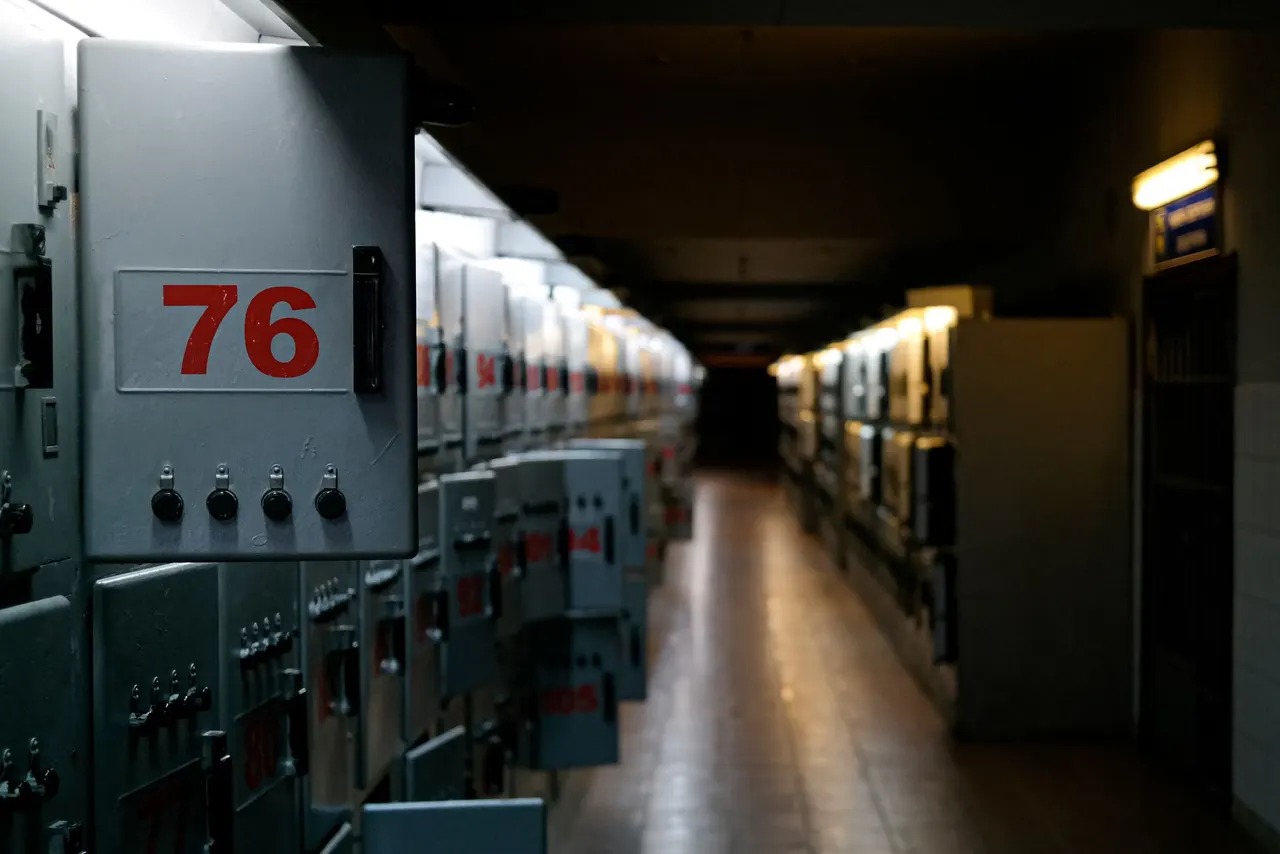
We keep it simple: load calculation first, then a written scope, then a one-day install for most jobs. Here is the sequence from call to final inspection.
We start with a load calculation on your existing service. That means checking the main breaker size, the meter socket rating, and the actual connected load. We use a clamp meter to read real amp draw on the circuits you plan to move. If the main panel cannot carry the added load, we tell you before you spend a dollar.
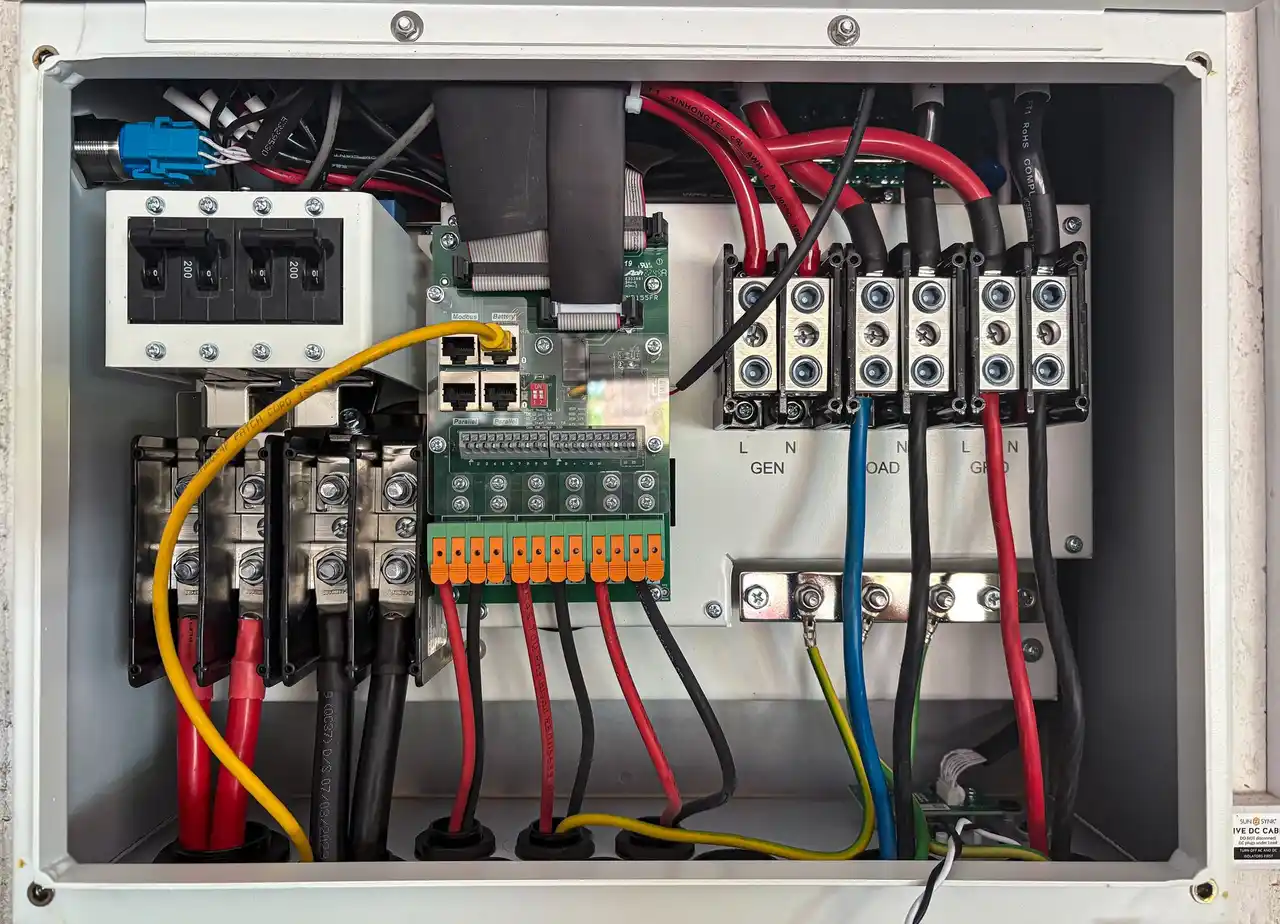
You get a written scope that lists the subpanel size, feeder size, breaker brand, and where the box goes. We note whether the feeder runs through the attic, crawlspace, or conduit. If a permit is required, we say so and pull it. No surprises on the invoice.
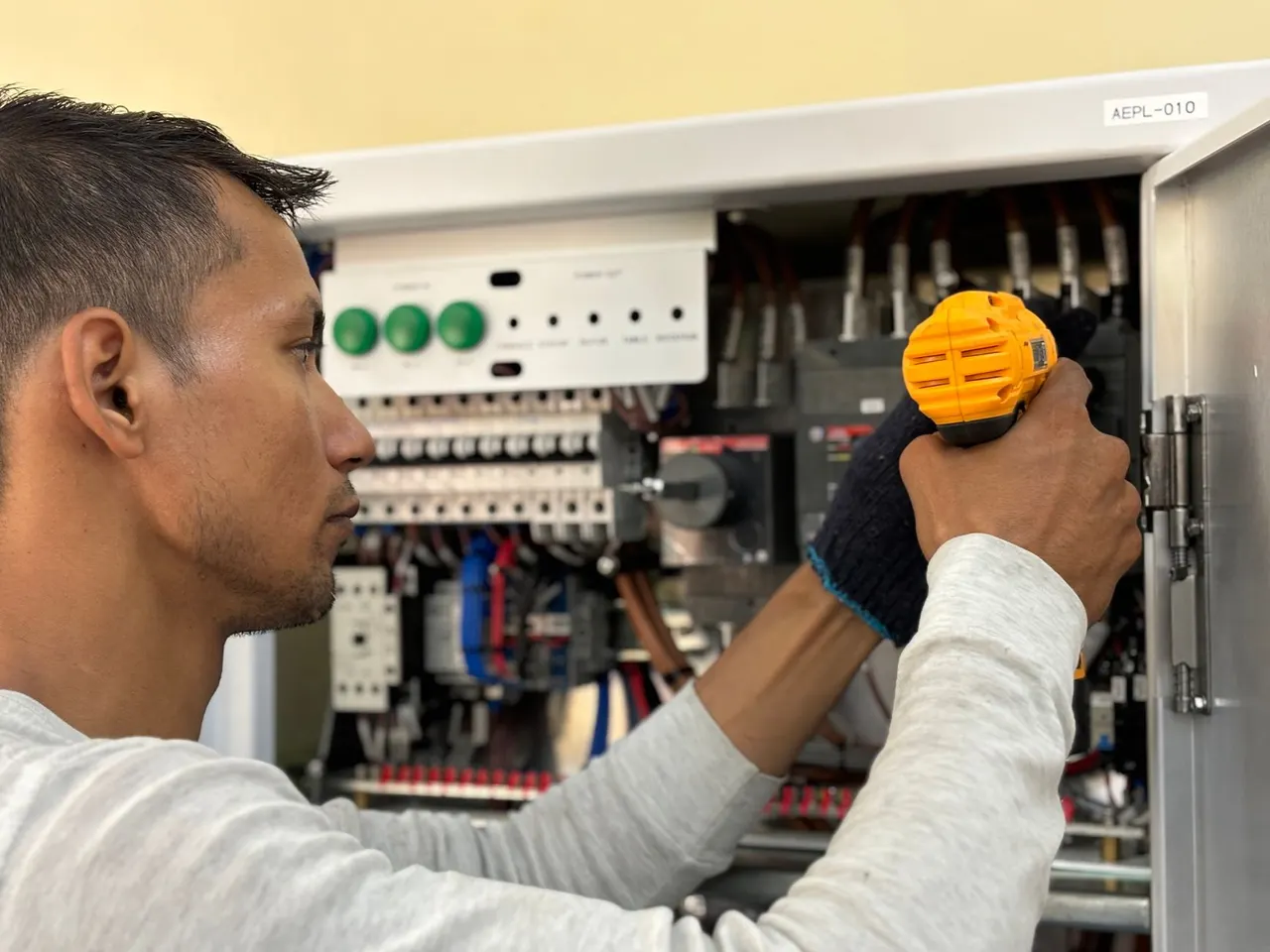
Most subpanel installs take four to six hours. We kill the main, mount the box, run the feeder, and land the branch circuits. Grounds and neutrals get separated on the subpanel bus. Every breaker gets a printed label. We torque feeder lugs with a torque screwdriver to the manufacturer spec.
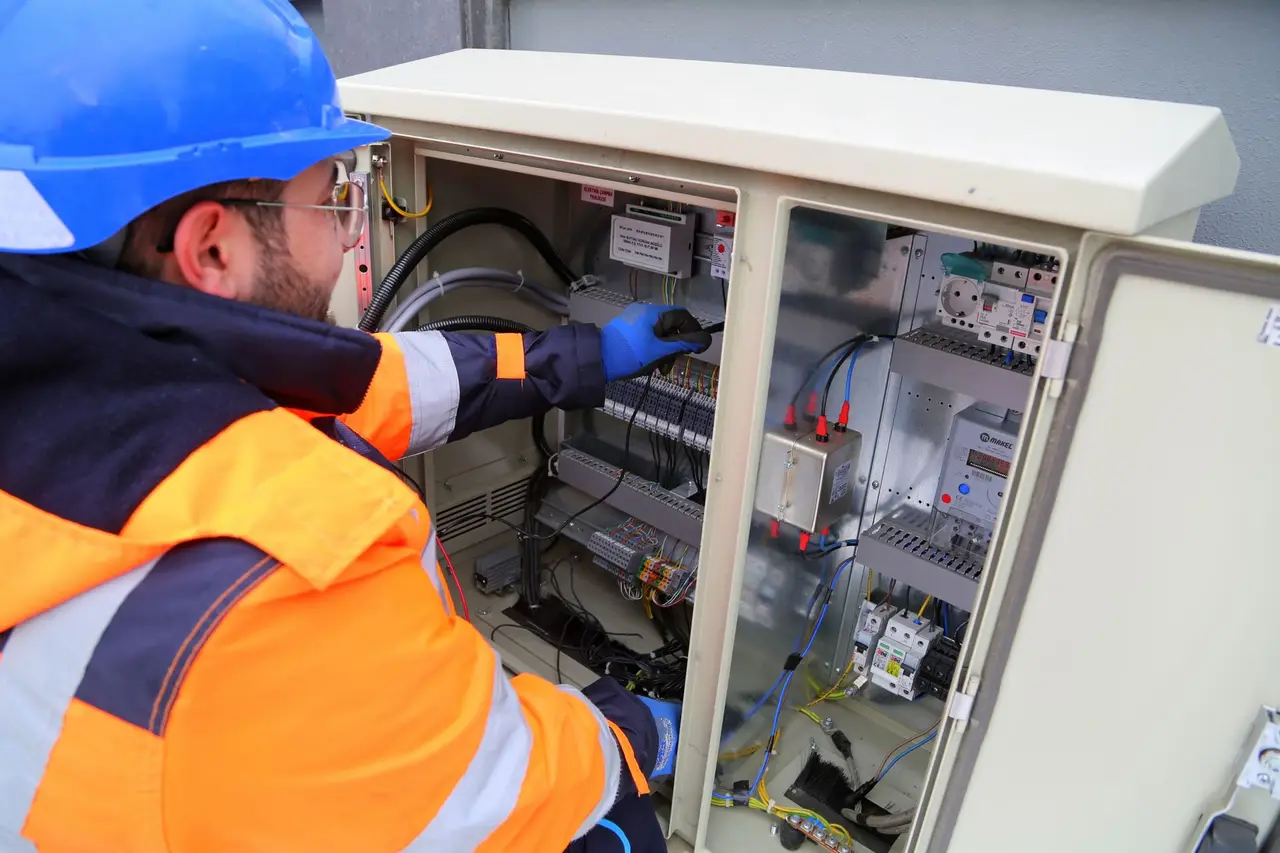
We test every circuit with a voltage tester and a multimeter before we close the panel. GFCI and AFCI breakers get tripped and reset to confirm they work. You get a labeled directory and a photo of the finished panel. We walk you through which breaker controls what.
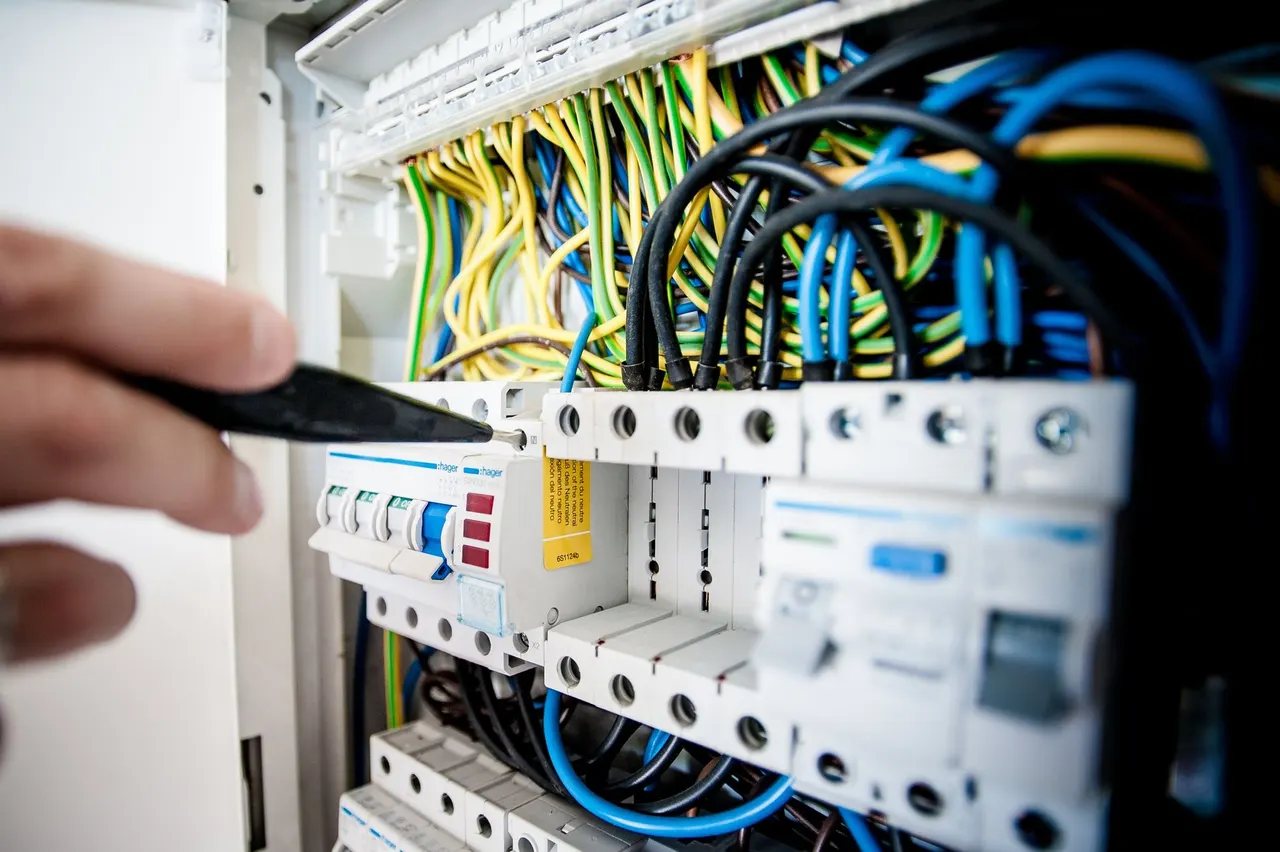
If the job needs a permit, we meet the inspector on site. Nash County and City of Rocky Mount inspections usually happen within a few business days of the request. We correct anything the inspector flags and send you the final sign-off paperwork for your records.
Move across a circle, or focus it and press Enter, for an illustrative thermal view of the photograph.
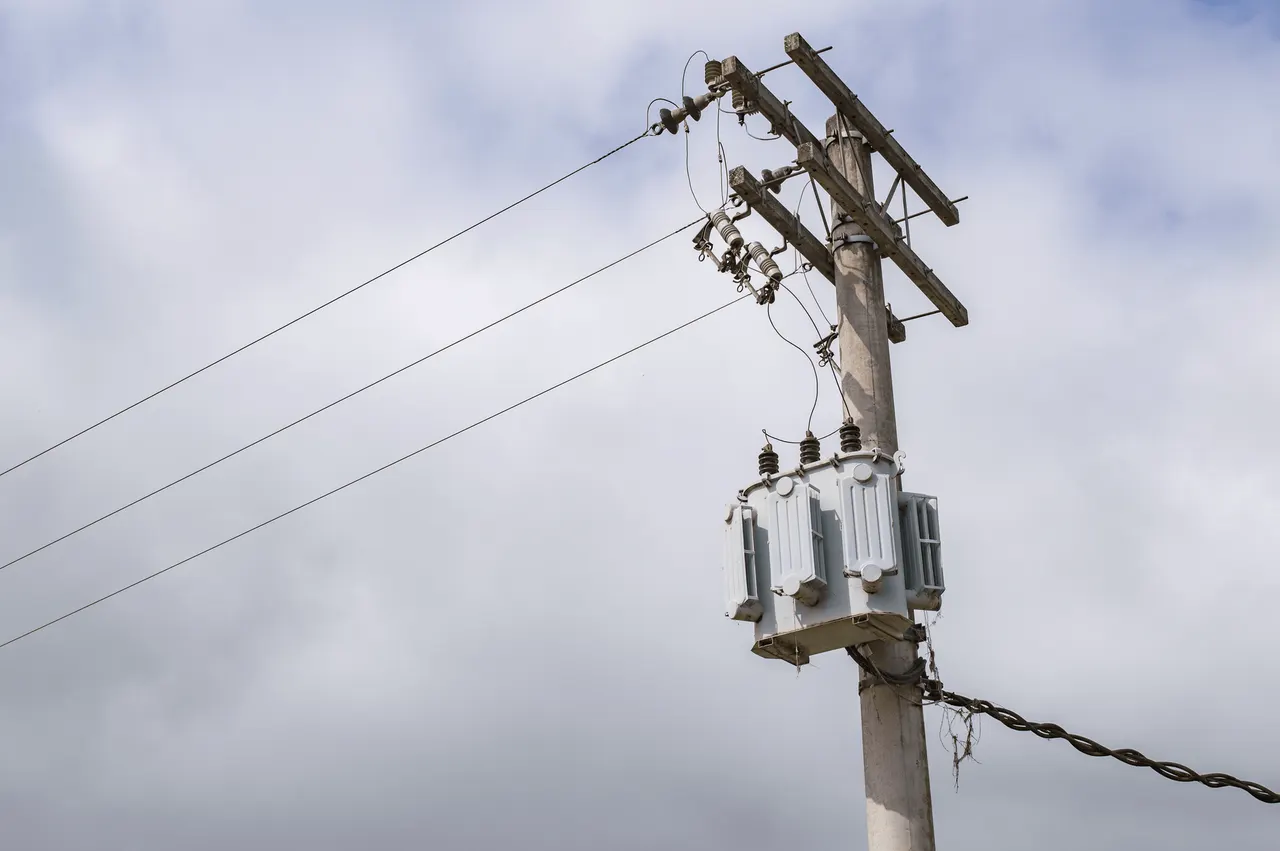
We read actual amp draw on existing circuits to size the feeder correctly. Guessing at load is how panels get overloaded.
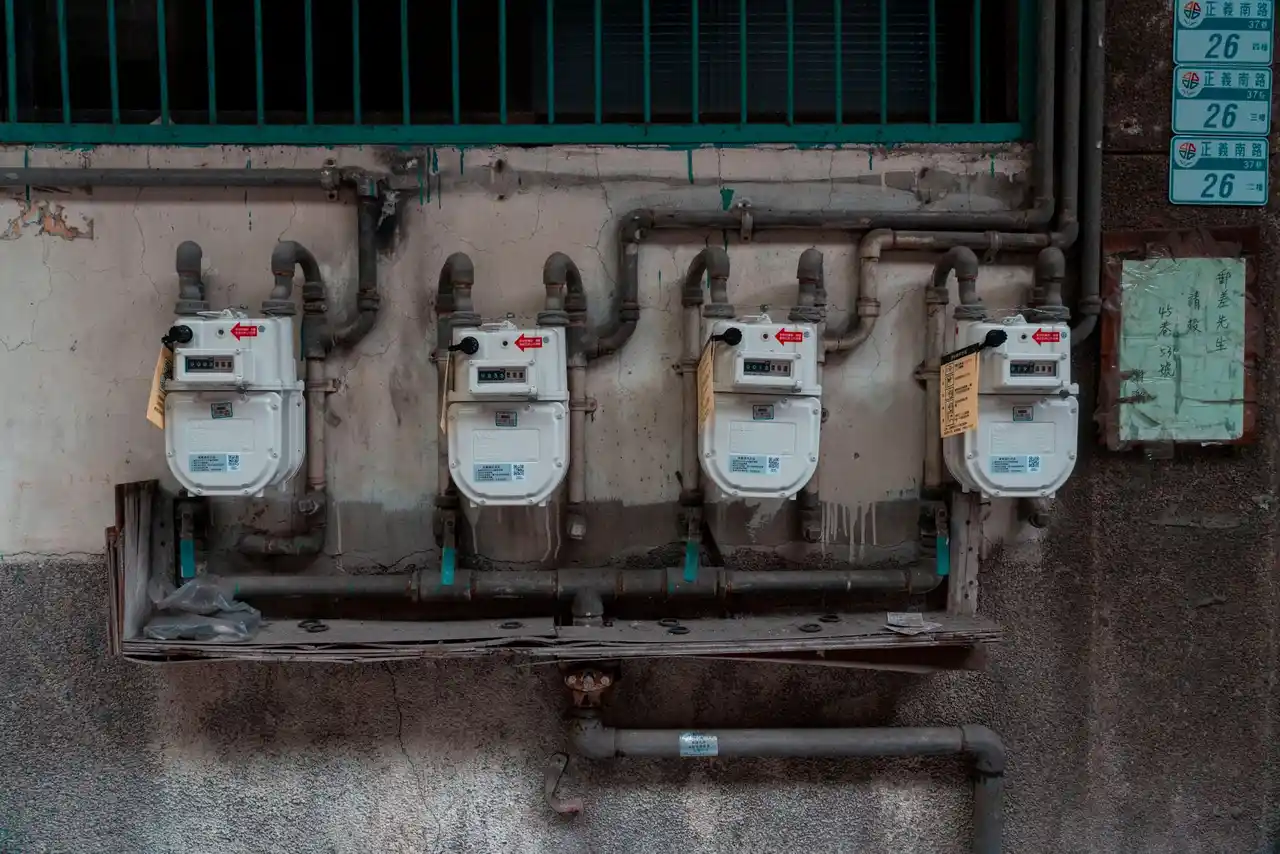
Used to verify voltage at the panel and at each outlet after the install. We check for voltage drop on long feeder runs.
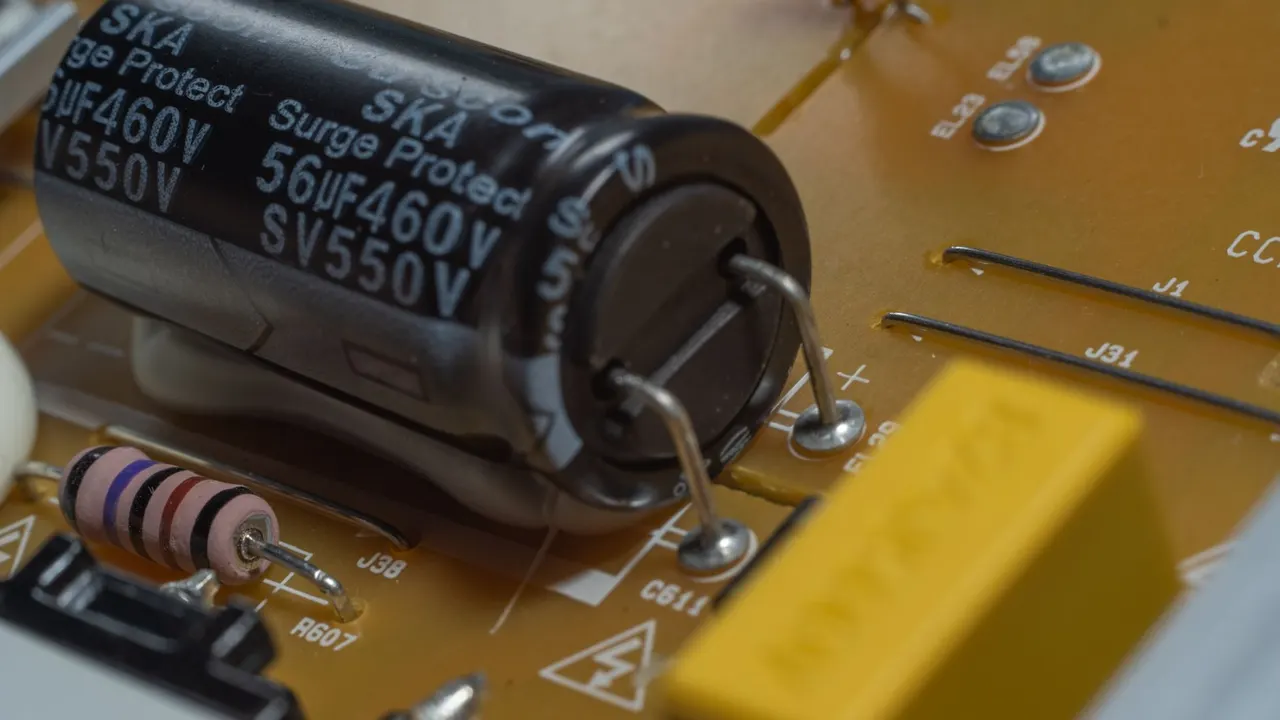
Feeder lugs and breaker terminals get torqued to the manufacturer spec. Loose lugs are a common cause of panel fires.
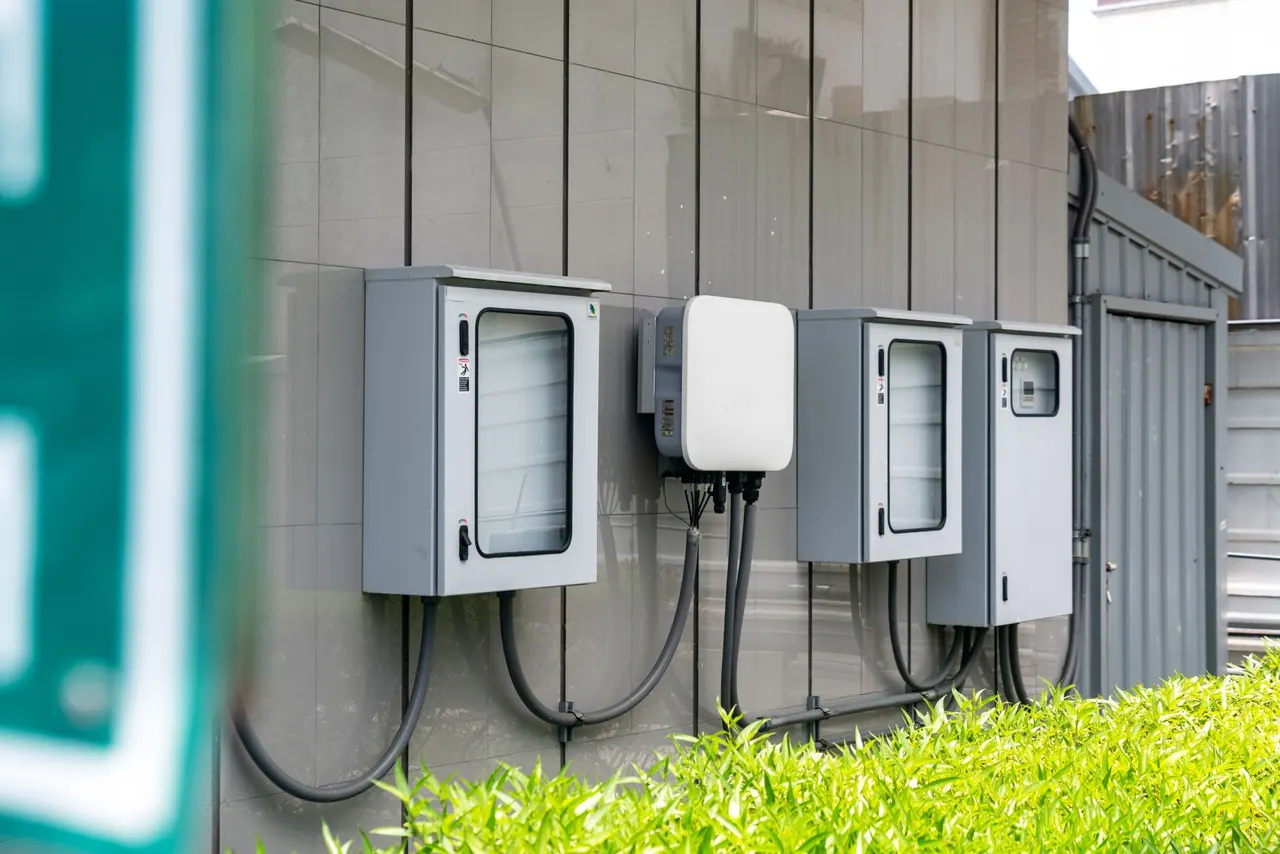
We confirm the circuit is dead before we touch it and verify power after the breaker is on. Safety step, every time.
When we move circuits to the subpanel, this tool confirms which breaker controls which outlet. That makes labeling accurate.
Thermal views are illustrative, generated from the photographs.
Clean strip on feeder and branch conductors. Nicked wire causes hot spots at the terminal.
Worn whenever the panel is open and the main is still energized. Standard practice on every job.
We separate grounds and neutrals in the subpanel, size the equipment grounding conductor correctly, and bond metal conduit. Detached structures get their own grounding electrode. This is the part most DIY subpanel installs get wrong.
We total the connected load and apply the demand factors before sizing the feeder. That keeps the subpanel within the main service rating and avoids nuisance tripping when everything runs at once.
Every panel, breaker, and lug we install carries a UL listing. That matters for the inspection and for your insurance. We do not mix breaker brands in a panel.
Lockout, insulated gloves, and a verified de-energized state before work begins. We treat every panel as live until the tester says otherwise.
A homeowner in Sunset Acres is adding a 500-square-foot addition with a mini-split and a home office.
We run a 100-amp feeder from the main panel to a subpanel in the addition. The mini-split, office circuits, and lighting land there. We size the feeder for the added load and pull the permit.
Outcome: The addition has its own labeled panel, the main service stays within its rating, and the inspection passes without corrections.
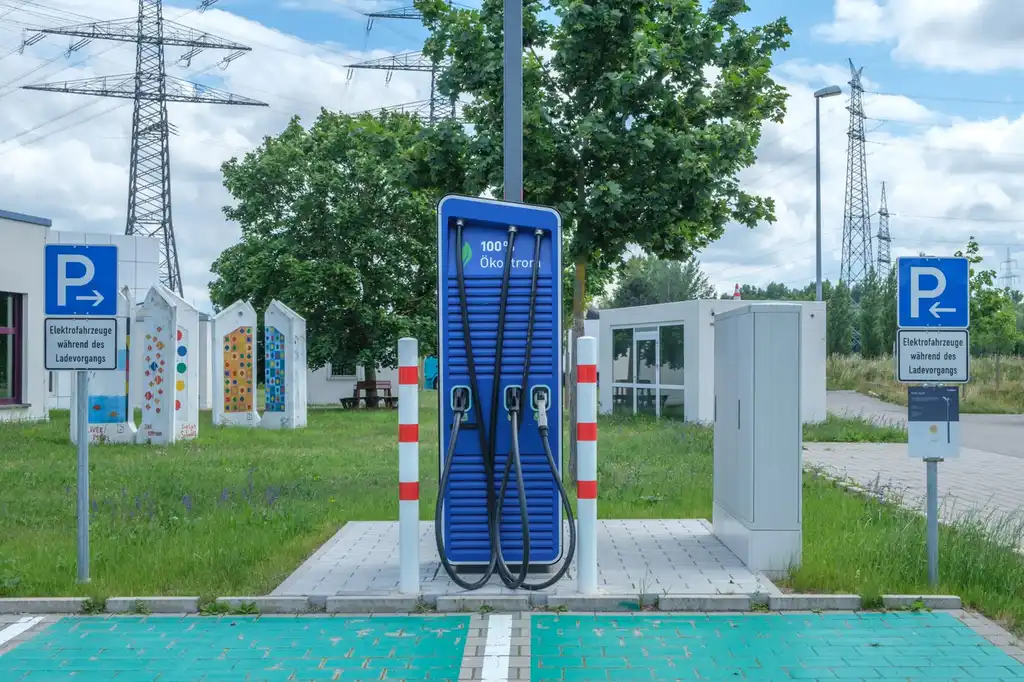
A Mill Village resident buys an EV and needs a Level 2 charger in the garage.
We check the main panel capacity, then add a 60-amp subpanel in the garage for the charger circuit. If the main panel is full, the subpanel gives us a clean landing point without a service upgrade.
Outcome: The charger runs at full amperage with no voltage drop, and the main panel keeps its existing circuits untouched.
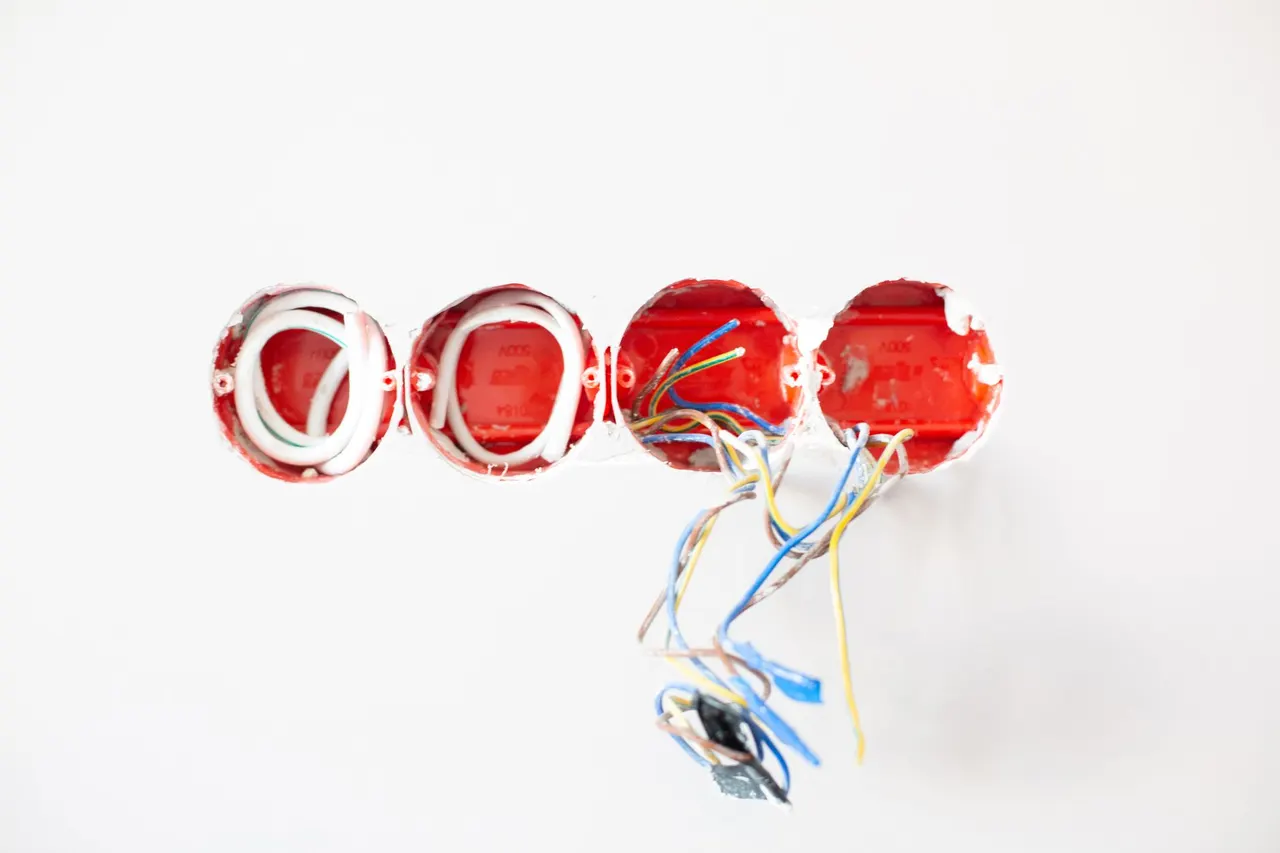
A property owner near Rocky Mount Mills is converting a detached garage into a rental unit.
We install a subpanel in the garage with its own disconnect and meter the unit separately if required. The feeder is sized for a range, water heater, and HVAC load.
Outcome: The unit has independent power, the tenant has a labeled panel, and the utility can bill the unit directly.
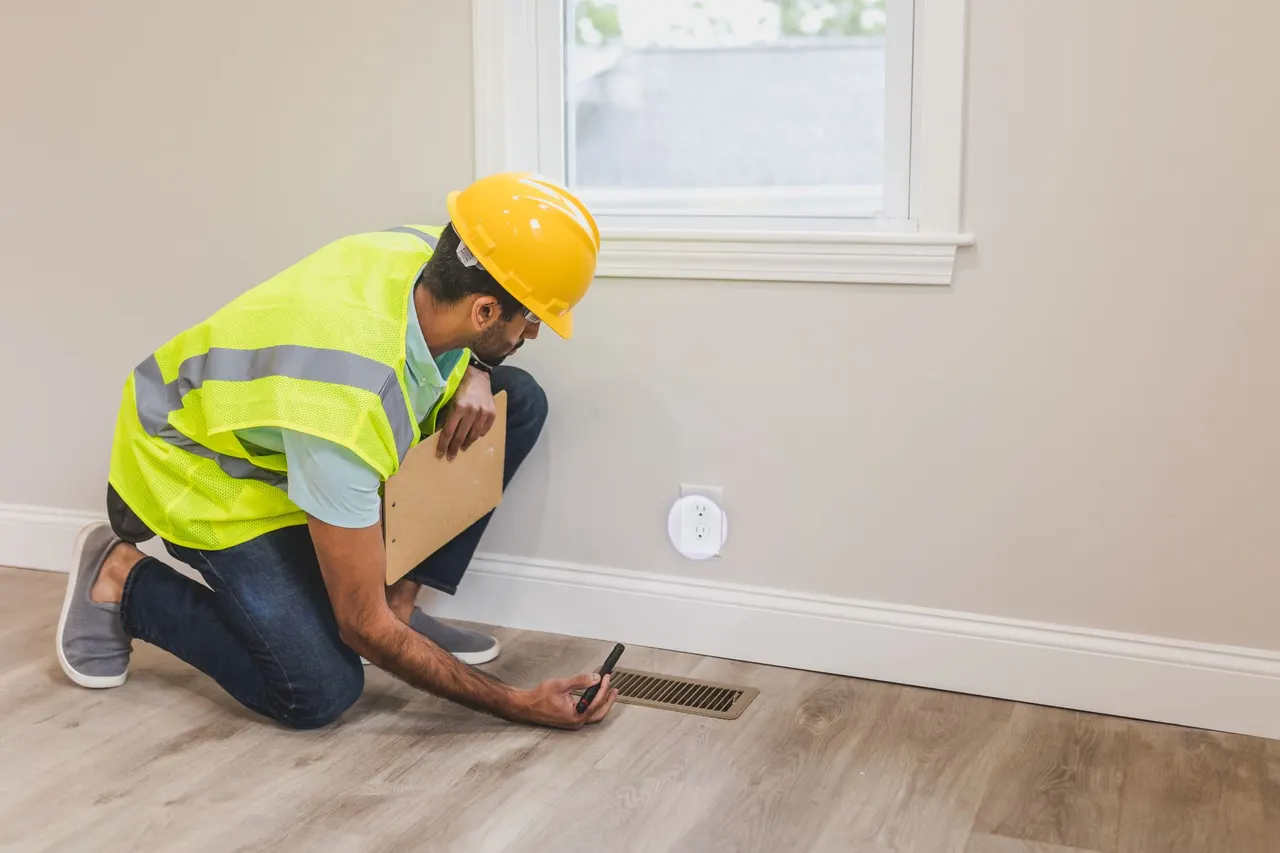
A hobbyist in Westridge runs a welder and a 5-hp compressor in a backyard shop.
We add a 100-amp subpanel in the shop with dedicated breakers for each tool. The feeder is sized for the starting current, and we install a grounding electrode at the detached building.
Outcome: The tools start without dimming the house lights, and the shop has code-correct grounding and a local disconnect.
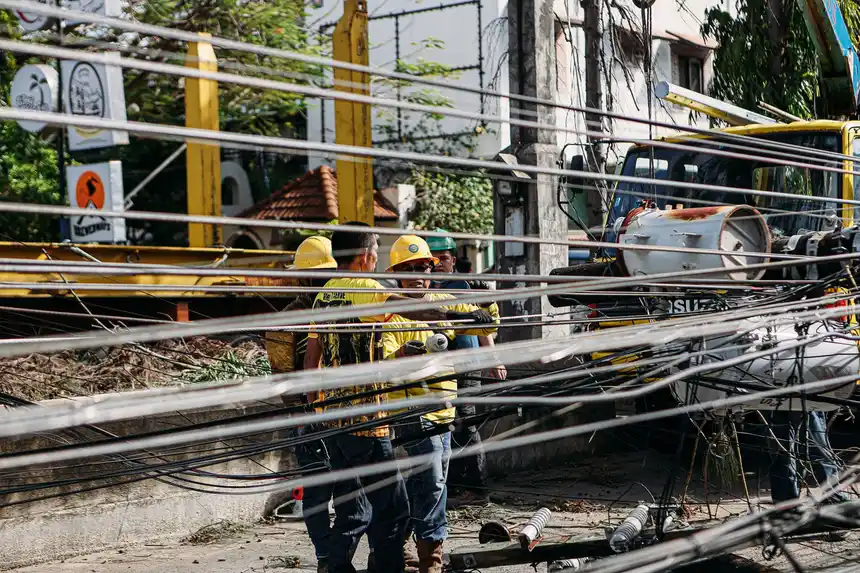
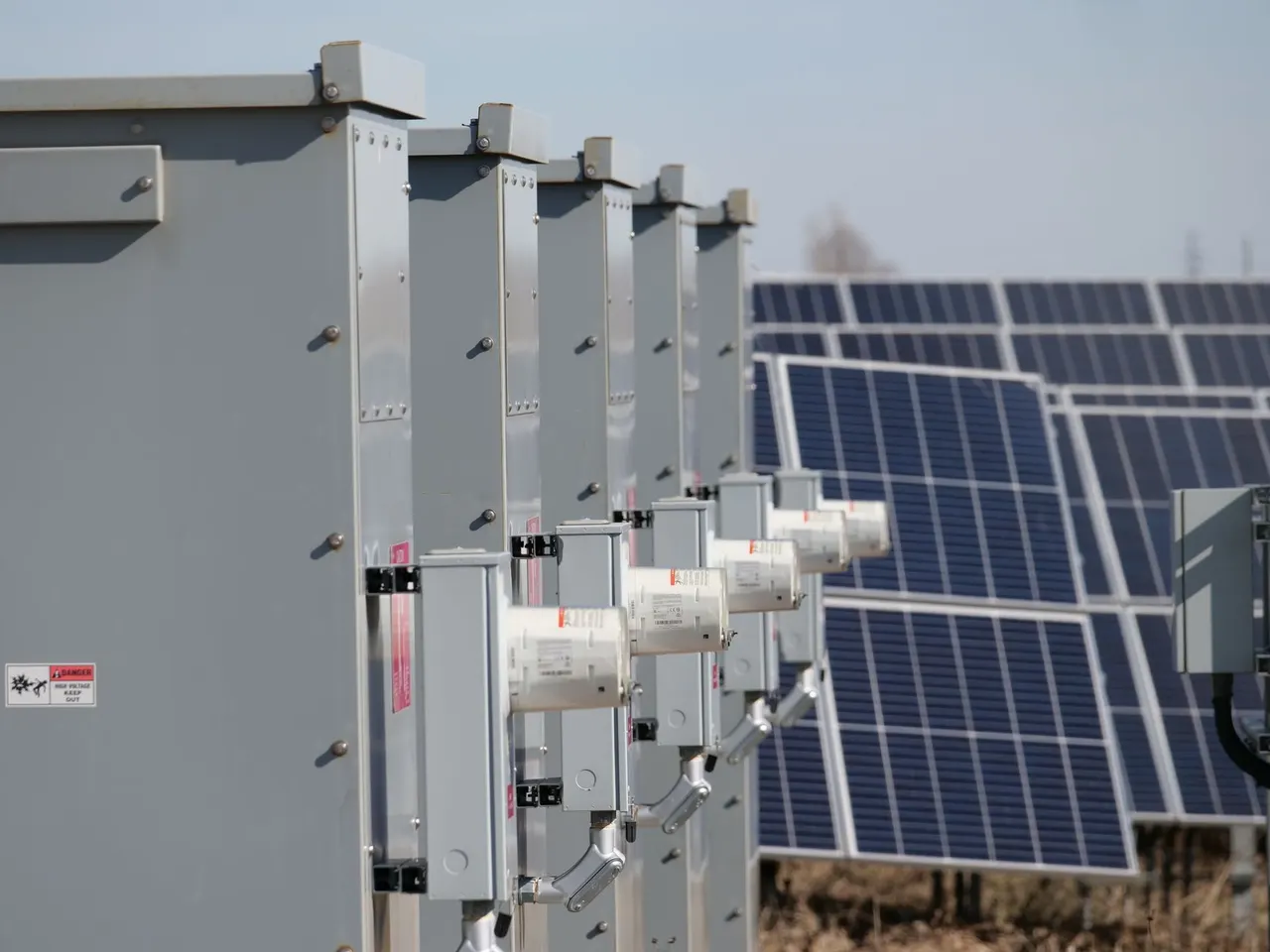
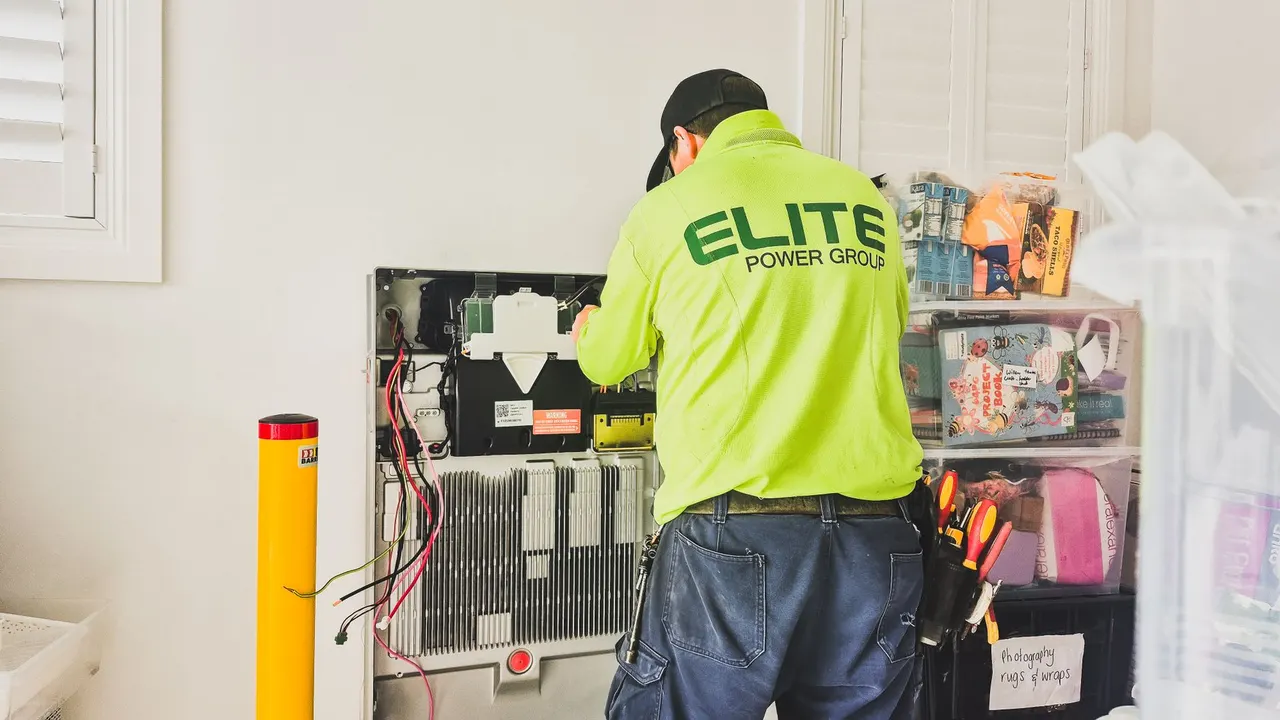
A homeowner in Cobblestone is adding solar and a battery backup system.
We install a subpanel for the backed-up loads and a landing point for the solar feed. The main panel stays as the service disconnect, and the subpanel carries the critical circuits.
Outcome: The solar and battery connect cleanly, the backed-up circuits are labeled, and the system passes inspection.

Rocky Mount sits in Nash County, and a lot of the housing stock dates to the 1950s through the 1980s. Those homes often have a 100-amp main panel with a fuse box or an early breaker panel, and the meter socket may be rated for less than the service you want. Before we quote a subpanel, we check the meter socket, the service entrance cable, and the main breaker.
Summer humidity and winter ice storms both stress outdoor feeders, so we use conduit and rated cable for any run that leaves the building envelope. If you are searching for a cost to install subpanel in Rocky Mount NC, the honest answer depends on feeder length and whether the main service has capacity.
We pull permits through the City of Rocky Mount and Nash County, and we schedule the inspection before we close the job.
Before: A Westridge homeowner ran a welder and compressor off a single 20-amp garage circuit. The breaker tripped every time the compressor started, and the lights in the house dimmed. Extension cords ran across the floor.
After: We installed a 100-amp subpanel in the shop with dedicated breakers for the welder and compressor. The feeder was sized for starting current. The house lights no longer dim, and the shop has a local disconnect and code-correct grounding.
Torque the feeder lugs once a year and exercise the breakers twice a year. Keep the panel cover on and the area around it clear.
Before: A Sunset Acres home had the microwave, dishwasher, and laundry on two shared circuits. The breaker tripped during dinner prep, and the panel had no open slots for a fix.
After: We added a 60-amp subpanel for the kitchen and laundry circuits. Each heavy appliance got its own breaker. Tripping stopped, and the panel runs cool. We also corrected two double-tapped breakers found during the install.
Label any new circuit you add and check the panel for warm breakers once a season. Call us if a breaker feels hot to the touch.
Before: A property owner near Rocky Mount Mills had a detached garage with no power. Tenants used the main house for laundry and complained about tripped breakers. The garage could not be rented as a unit.
After: We installed a 100-amp subpanel in the garage with its own disconnect and a separate meter socket. The unit now has independent power for a range, water heater, and HVAC. The inspection passed with no corrections.
Keep the panel directory updated if you add circuits. Schedule an annual inspection to check for moisture and loose lugs.
Most subpanel calls start with one of these symptoms. If you recognize yours, we can fix it without replacing the whole service.
More breaker space, shorter wire runs, and room for the next load.
A 100-amp subpanel adds 12 to 20 usable slots. That is enough for a garage, a mini-split, a welder, and a few spare circuits. You stop double-tapping breakers to make room, which is a code violation and a fire risk.
Putting the box near the load saves copper. A detached shop 70 feet from the house needs one feeder instead of six branch circuits run back to the main. Less wire, less voltage drop, cleaner install, and easier troubleshooting later.
EV chargers pull 40 to 60 amps continuous. Solar and battery backup need dedicated landing points too. A subpanel gives you a clean place to add those circuits without ripping into the main service again. We size the feeder so you have headroom for the next upgrade.
When the shop or garage has its own disconnect, you can kill power at the source during a fault. That matters if you are working on a saw, a compressor, or a welder. It also gives firefighters a labeled disconnect point outside the main service area.
What a written scope covers and what shapes it. Prices are set by the business after the first look.
Included
Depends on
Clear records you can keep and share.
Printed directory of every breaker
Images of the finished panel
Written list of work performed
Signed-off permit paperwork
The main panel is the service disconnect. A subpanel is a second box fed from it, with its own breakers and grounding.
Where utility power enters and the service disconnect sits.
A secondary box fed from the main panel.
Replacing the main service for more capacity.
A list like this tells people straight away whether you cover their street. Not listed? Call and ask: it only takes a minute.
Based in Rocky Mount and covering the places around it. Pick one for local details.
A simple 60-amp garage panel with a short feeder sits at the low end. A 100-amp shop panel with a 70-foot buried feeder and a permit lands higher. We give you the number in writing before we start.
You need one if your main panel has no open slots, if you are adding a garage, shop, addition, or EV charger, or if breakers keep tripping when two big loads run at once. A subpanel also helps when the new load sits far from the main service. If your main panel is rusted or recalled, a subpanel is not the fix. We will tell you which one you actually need.
A standard subpanel install takes four to six hours on site. Add time if we run a long feeder through a crawlspace or bury conduit to a detached shop. Most jobs are done in one day. If a permit is required, the inspection usually happens within a few business days after we call it in.
Yes, if the main service has capacity. We run a load calculation first. A 200-amp main with a 100-amp subpanel feeder is common and code-correct. If the main is a 100-amp service already near its limit, we may recommend a service upgrade instead. We check the meter socket and main breaker before we quote the subpanel.
Other services from the same team.
Call (252) 809-7893 and we will look at your main panel, size the feeder, and give you a written price. We pull the permit, install the subpanel, and walk you through the finished work. Same-day quotes available for most Rocky Mount addresses.
Call us at (252) 809-7893 or send a message and we will get back to you the same business day. We answer the phone during normal hours and roll on emergency panel calls after hours. Tell us what the panel is doing and we will tell you what it takes to fix it.