For homeowners
If your garage only has a 120-volt outlet, a Level 2 charger needs a dedicated circuit. We check your panel first and tell you what it can carry.
- Charger trips the main breaker
- No open slots in the panel
- Fuse box still in service
An EV charger panel upgrade Rocky Mount NC homeowners can count on starts with a panel that can actually carry the load. We size your service, pull the permit, and complete EV charger installation in Rocky Mount NC so your Level 2 charger runs at full amperage without tripping breakers. If your panel is full, rusted, or still a fuse box, we fix that first.
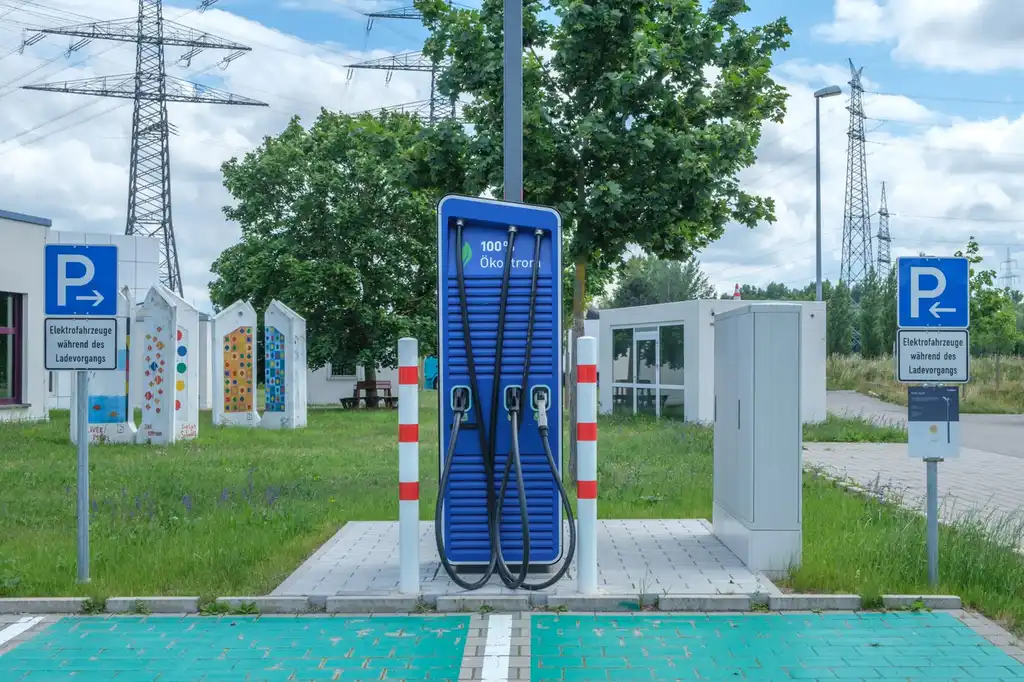 Load calculationPermit pulledTorque checked
Every job starts with a load calculation and ends with a passing inspection. The panel, the charger circuit, the permit, and the cleanup are all part of the scope. Add-ons like a meter base or a subpanel are quoted separately after we see the service.
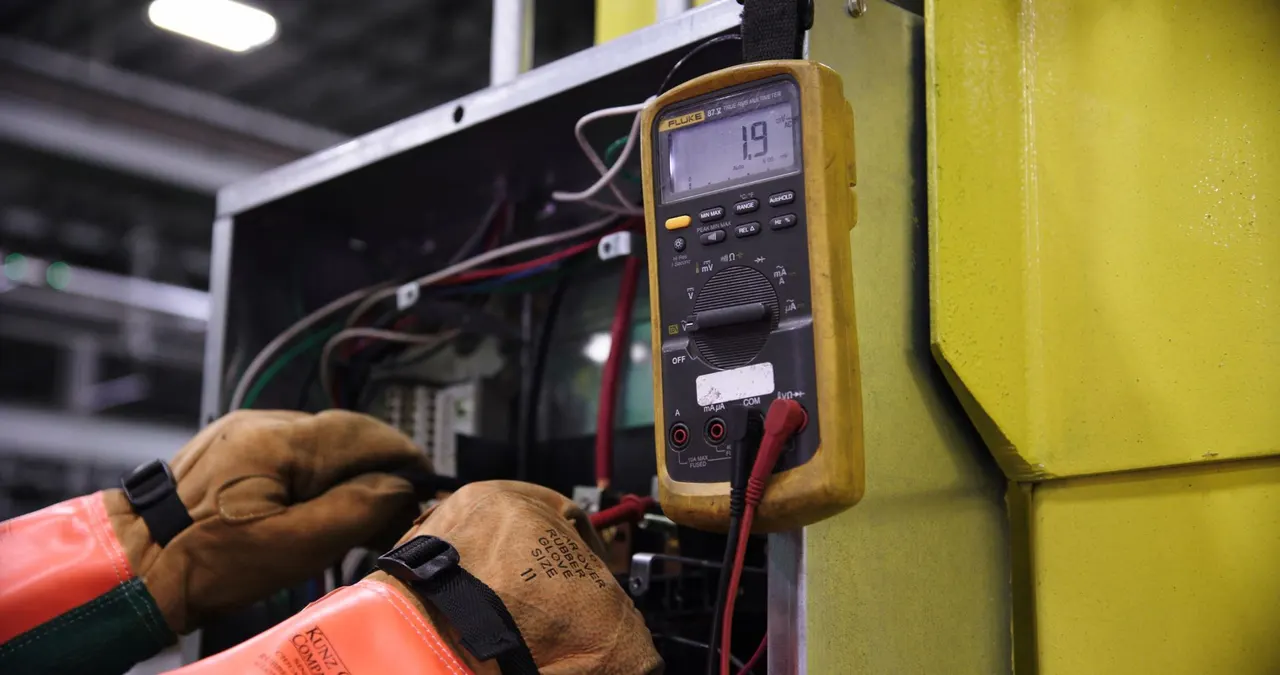
We measure your existing load with a clamp meter and add the charger's continuous draw. You get a written summary showing whether a 200-amp service is enough or whether you need more.
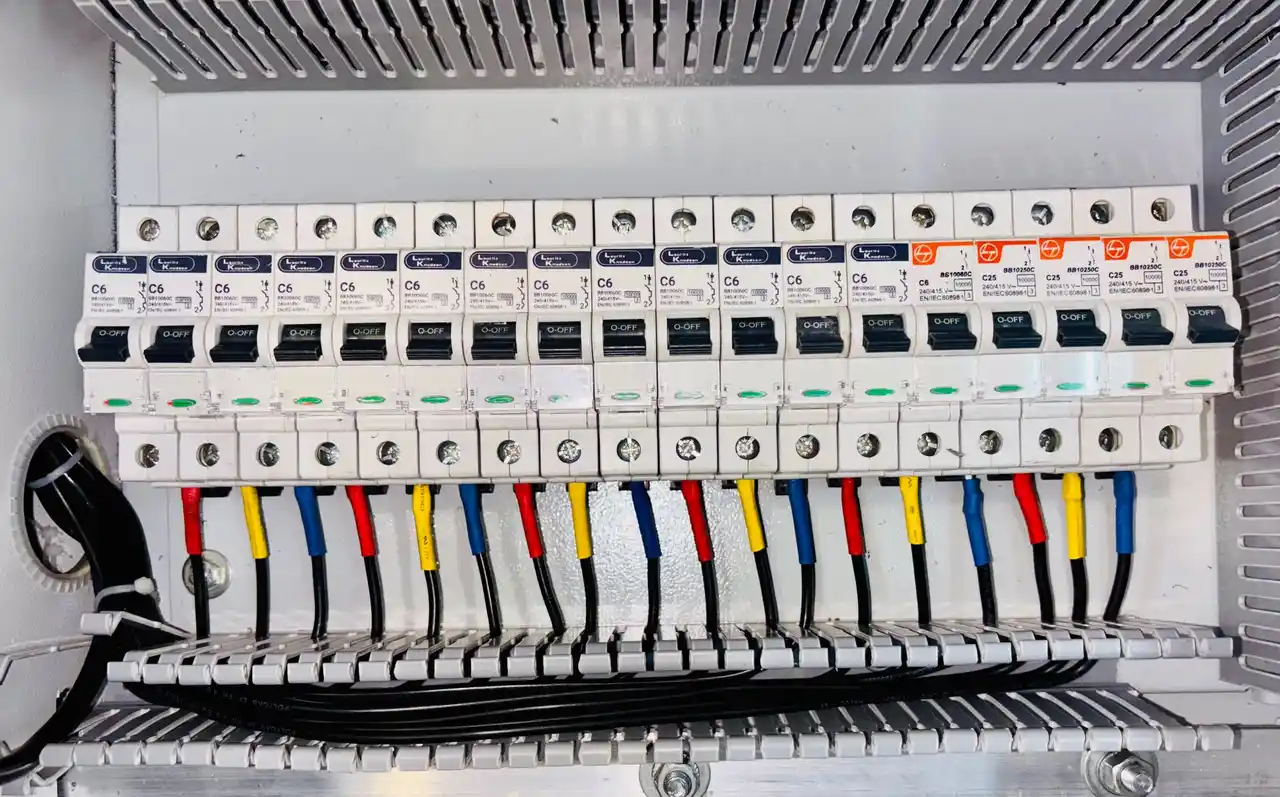
A 200-amp panel from Square D, Eaton, or Siemens, set and leveled with new grounding wire and a labeled circuit directory. We torque every lug to the manufacturer's spec.
A 240-volt circuit sized to your charger, run in conduit from the panel to the garage or carport. Includes the UL listed breaker rated for continuous EV load and a matching receptacle or hardwired connection.
We pull the electrical permit with the city and meet the inspector on site. You receive the signed inspection card and a record of the work for your insurance file.
New grounding electrode conductor, bonding of metal water lines where required, and correction of any missing grounds we find. NEC 2020 and NEC 2023 compliant.
We remove the old panel, sweep the area, and leave the workspace ready to use. You get a walkthrough of the new breakers and the charger's first successful test.
The approach is the same for a home and a business. What changes is the access, the schedule and who needs the paperwork.
If your garage only has a 120-volt outlet, a Level 2 charger needs a dedicated circuit. We check your panel first and tell you what it can carry.
Fleet and tenant charging needs a service sized for multiple cars at once. We design the panel layout and pull the commercial permit.
A plain-language look at what EV Charger Panel Upgrade involves and when it is needed.
See how it worksAn EV charger panel upgrade Rocky Mount NC is the electrical work that gives your home enough service capacity to feed a Level 2 charger safely. A Level 2 unit pulls 32 to 48 amps continuously, which is far more than a dryer or range draws in short bursts. If your existing panel is a 100-amp service, has double-tapped breakers, or no open slots, we replace or expand it, run a dedicated 240-volt circuit, and torque every connection to spec.
Most Rocky Mount homes built before 1985 were wired for a fraction of today's load. Add a heat pump, an electric range, and an EV, and that old 100-amp panel sits overloaded. We see it constantly in Mill Village and Englewood, where original fuse boxes and rusted panels are still in service. If you are searching for an EV charger panel upgrade Rocky Mount NC near me, the fix is usually a 200-amp service with room for future circuits.
A charger is only as good as the panel feeding it.
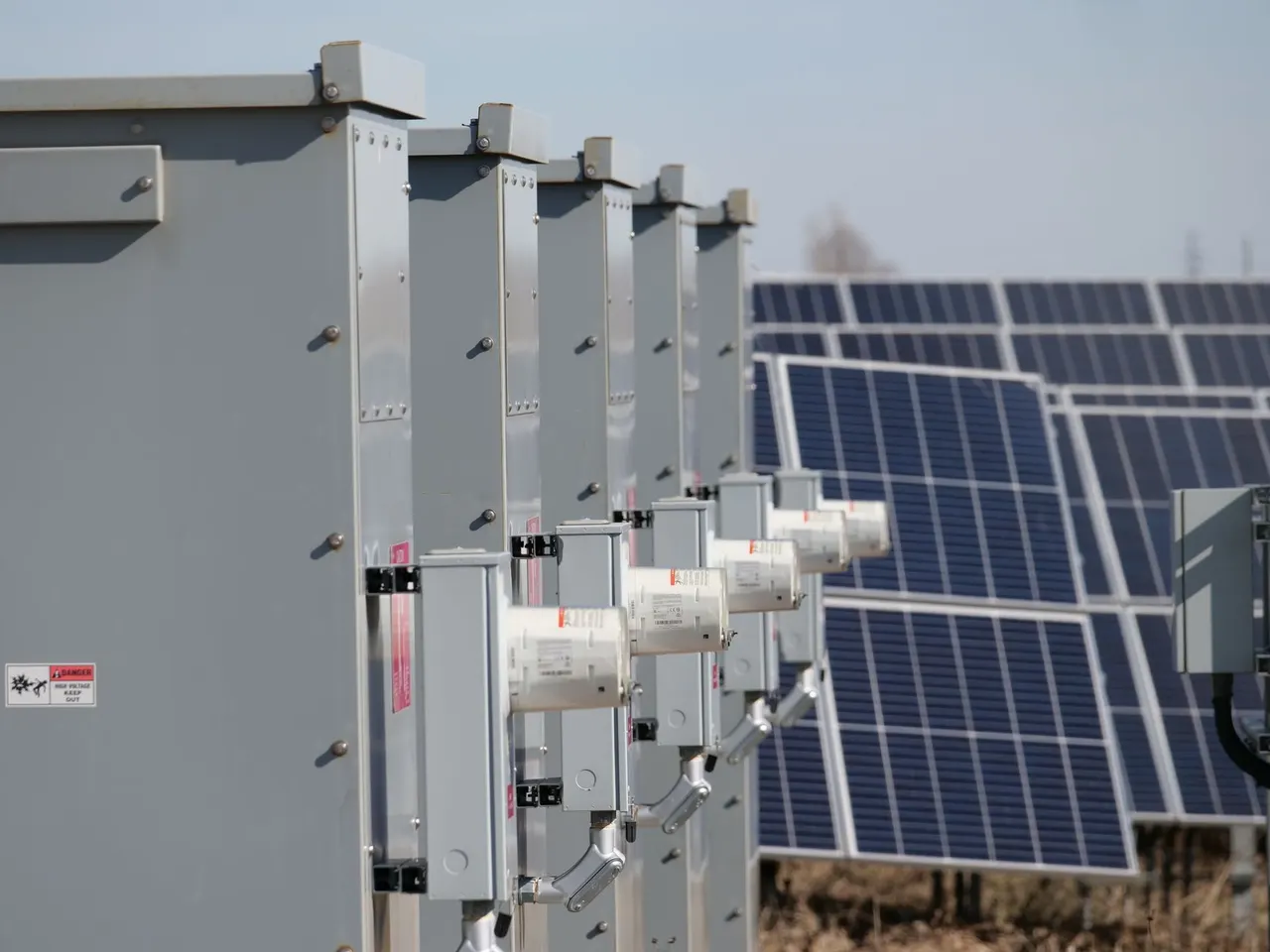
Five steps from first call to final inspection. You will know the scope, the timeline, and the cost before we start cutting anything.
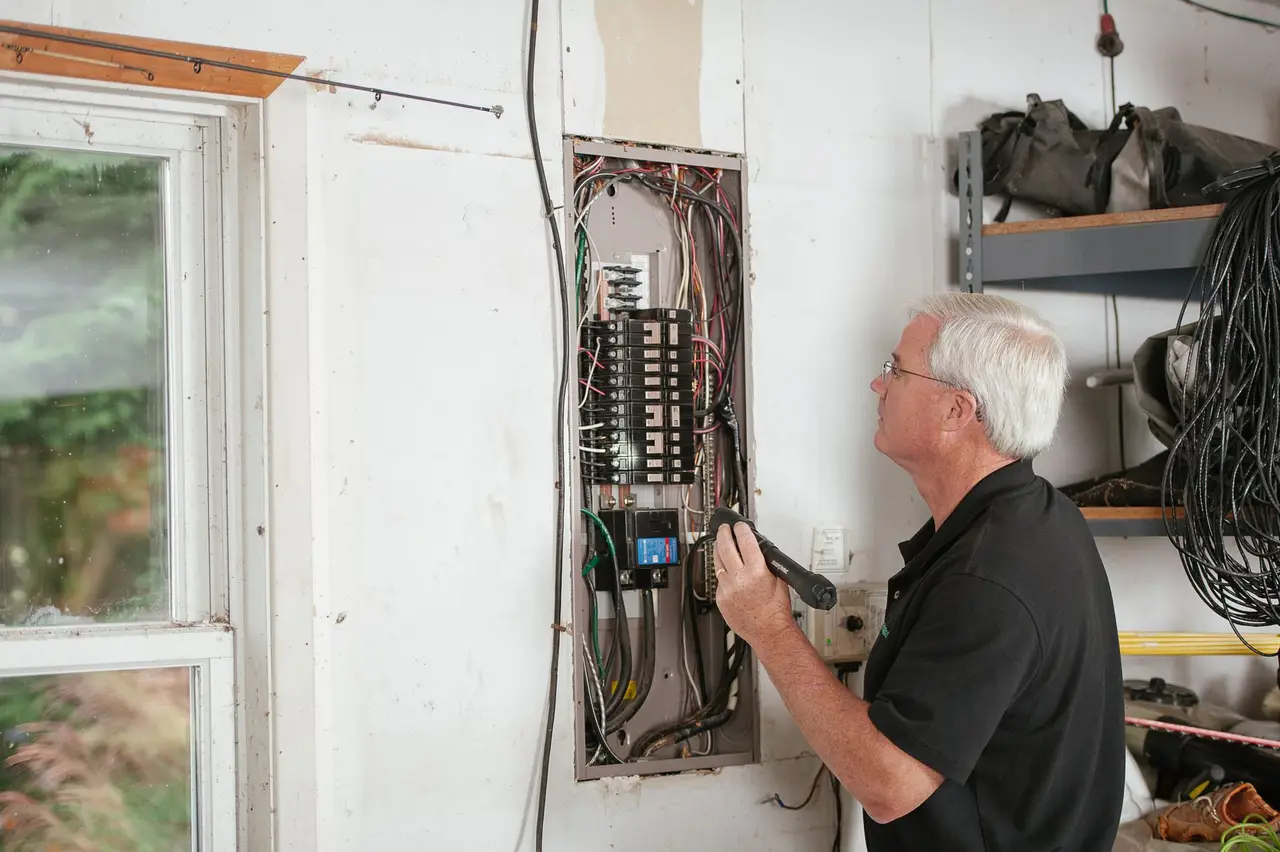
We start with a full load calculation using a clamp meter on your service entrance and a circuit breaker finder to map every circuit. You get a written summary of what your panel can carry today and what the EV charger will add. This takes about 45 minutes and costs nothing.
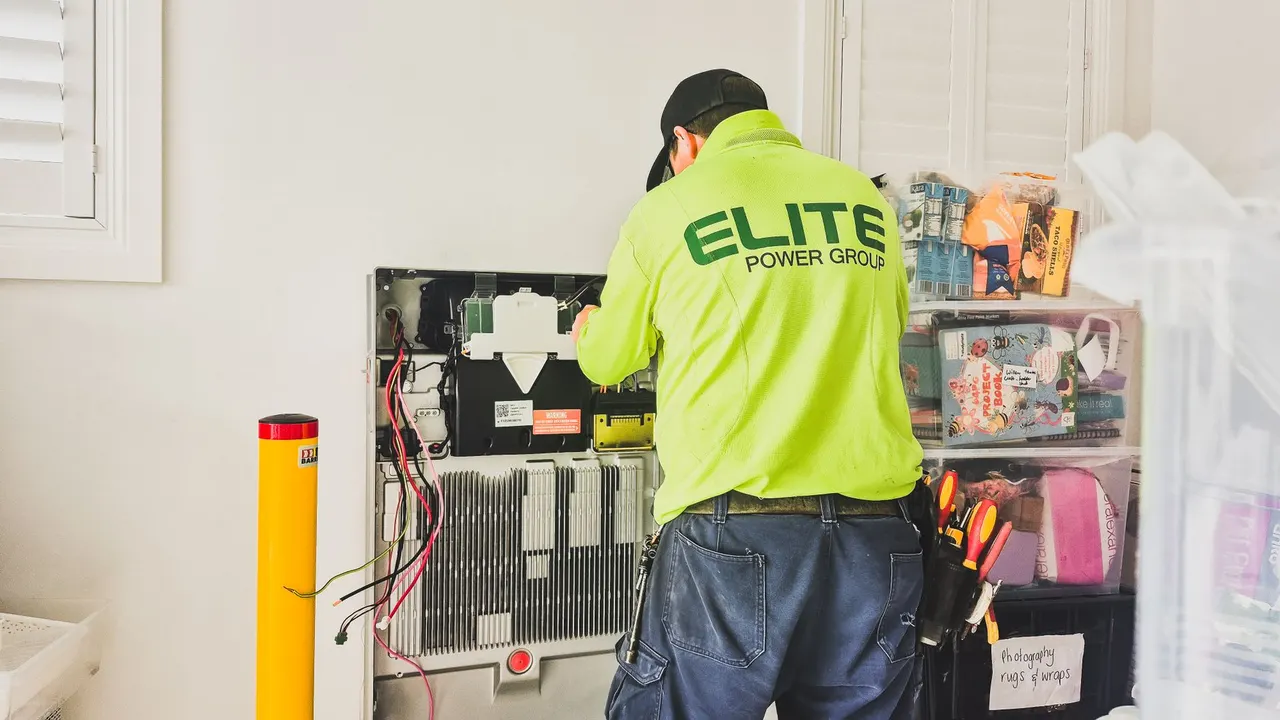
We pull the electrical permit with the city and order the panel. Most jobs use a 200-amp Square D or Eaton service with a Leviton or Siemens breaker for the charger circuit. Permits in Rocky Mount typically clear in two to five business days.
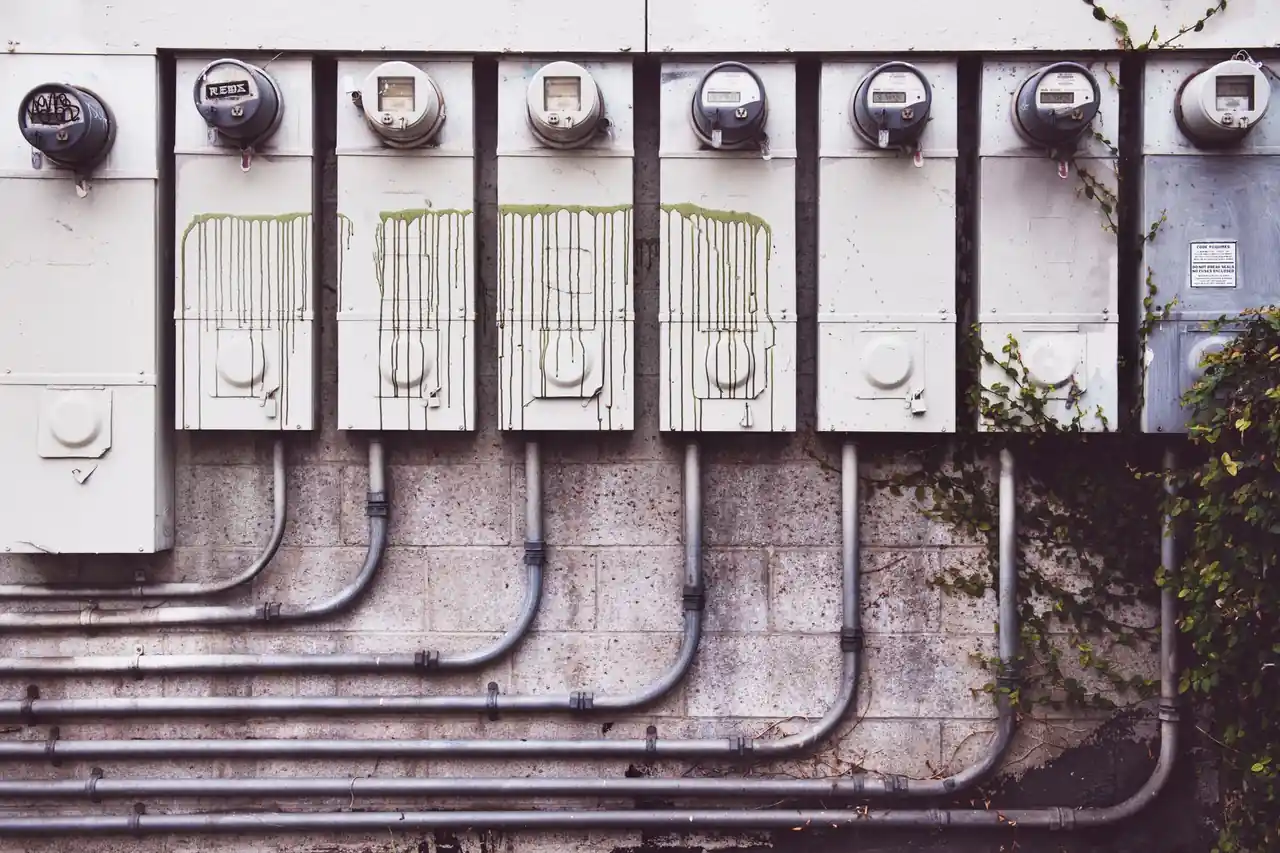
On install day we kill power at the meter, remove the old panel, and set the new one. A standard swap runs four to six hours.
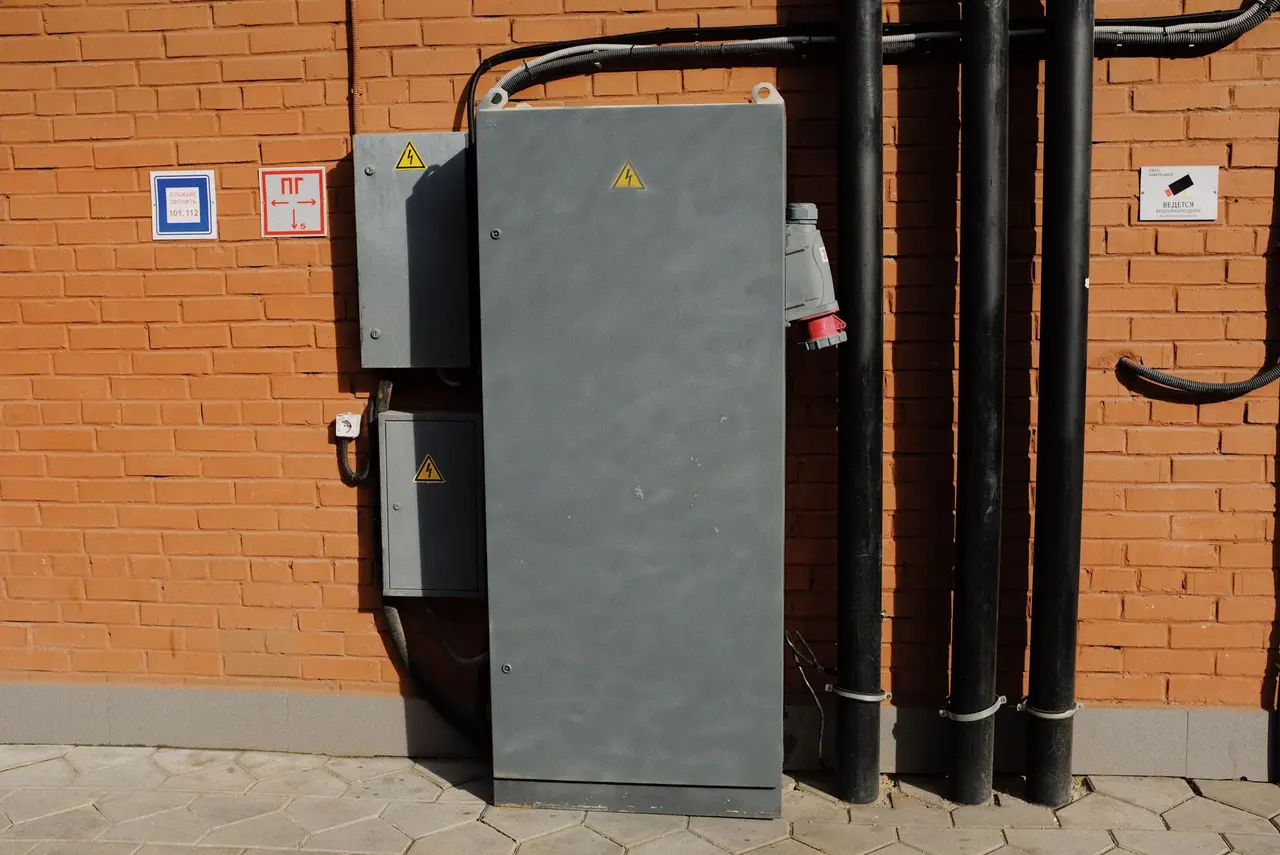
We run the dedicated 240-volt circuit in conduit from the panel to your charger location, usually the garage or carport. A 50-amp circuit with 6-gauge copper handles most Level 2 units. We install a UL listed breaker rated for continuous EV load.
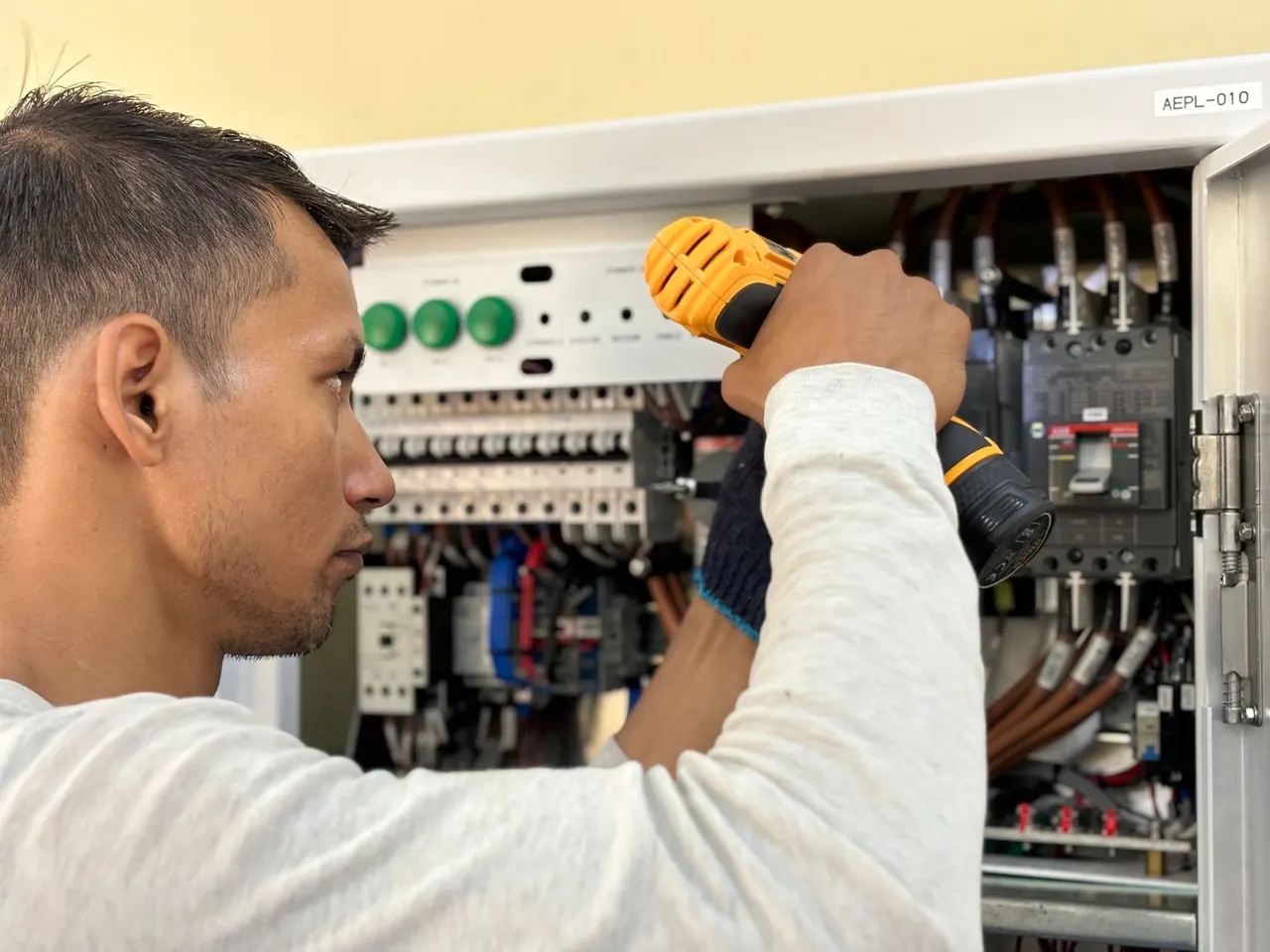
We power up, check voltage at the charger with a multimeter, and confirm the charger self-test passes. Then the city inspector signs off. You get the inspection card, a circuit directory, and a walkthrough of what changed.
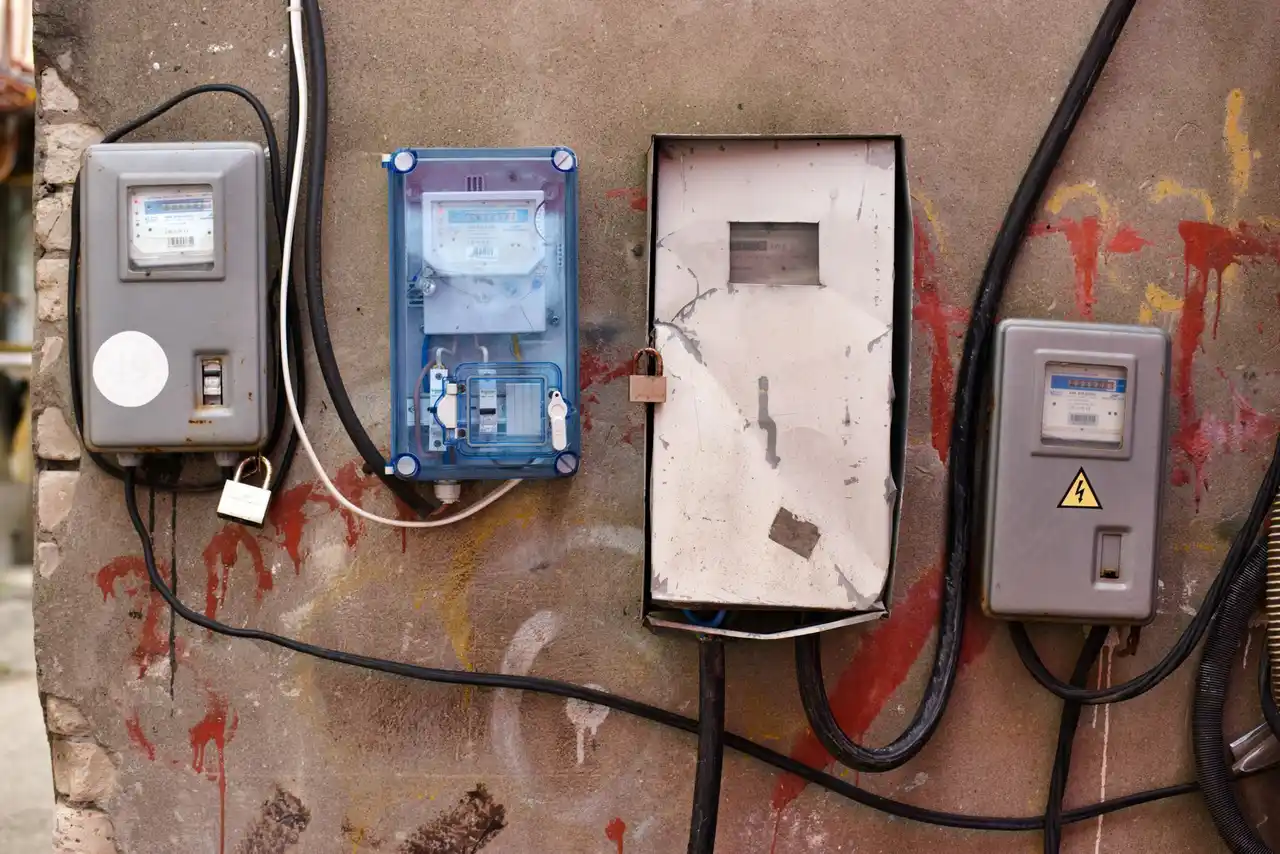
Move across a circle, or focus it and press Enter, for an illustrative thermal view of the photograph.
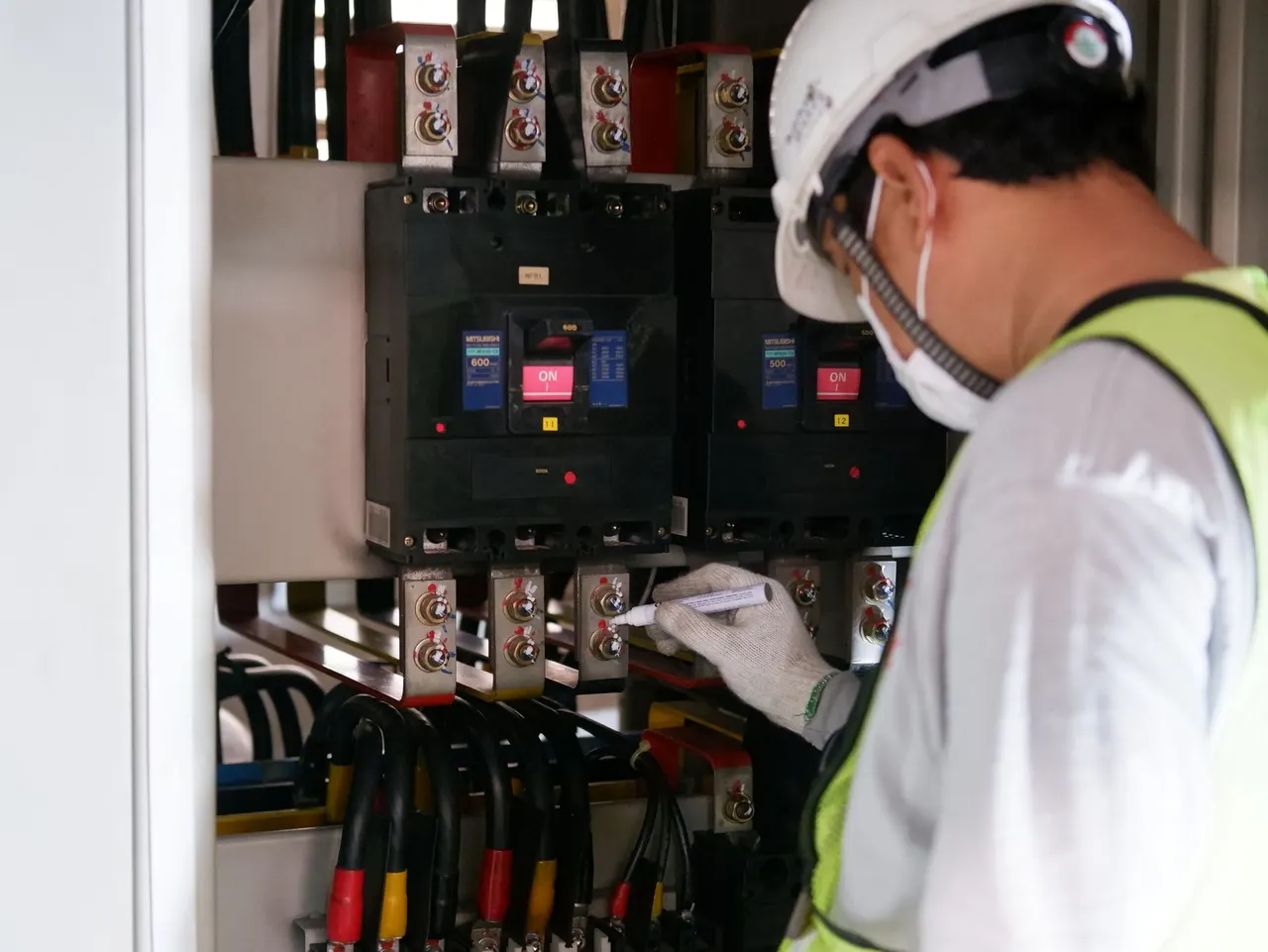
Measures actual current on the service entrance so our load calculation reflects real usage, not a guess from the nameplate.
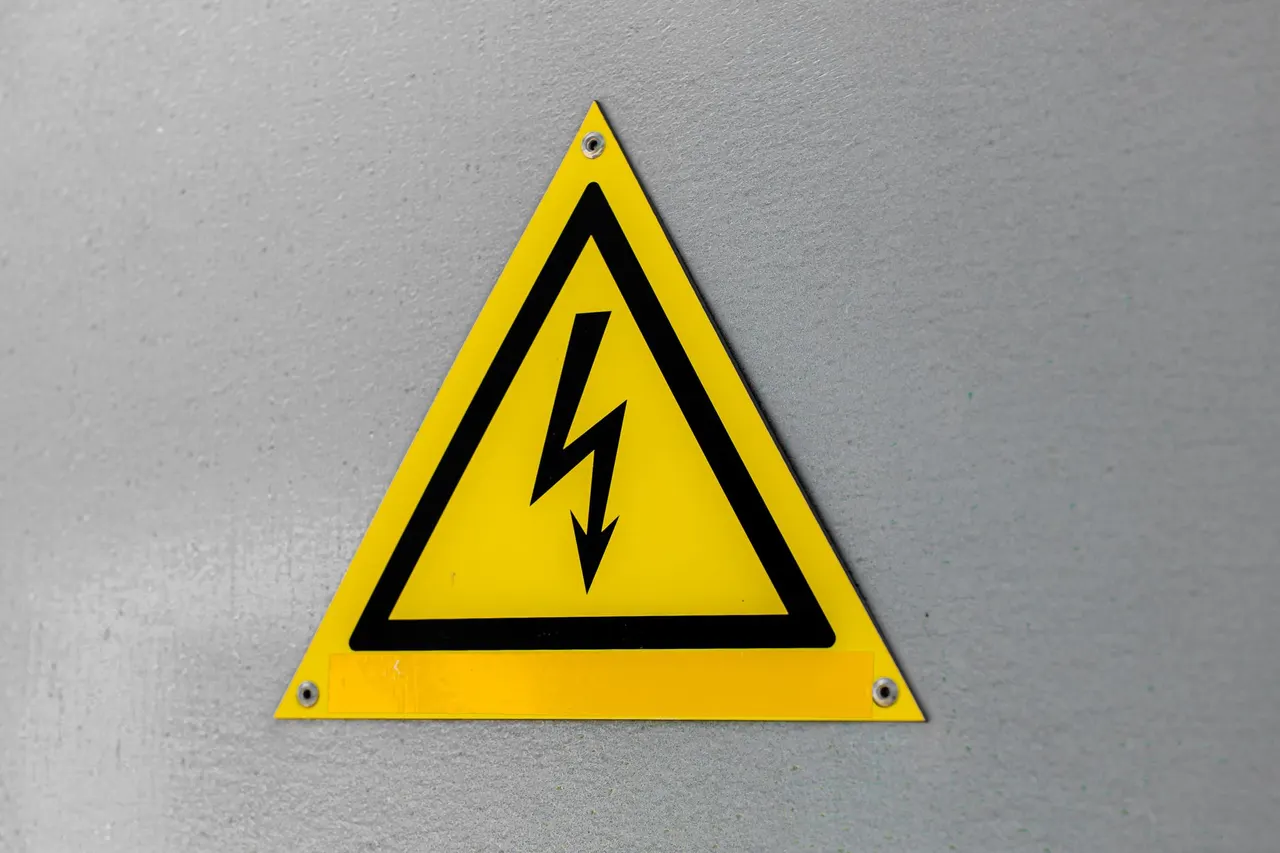
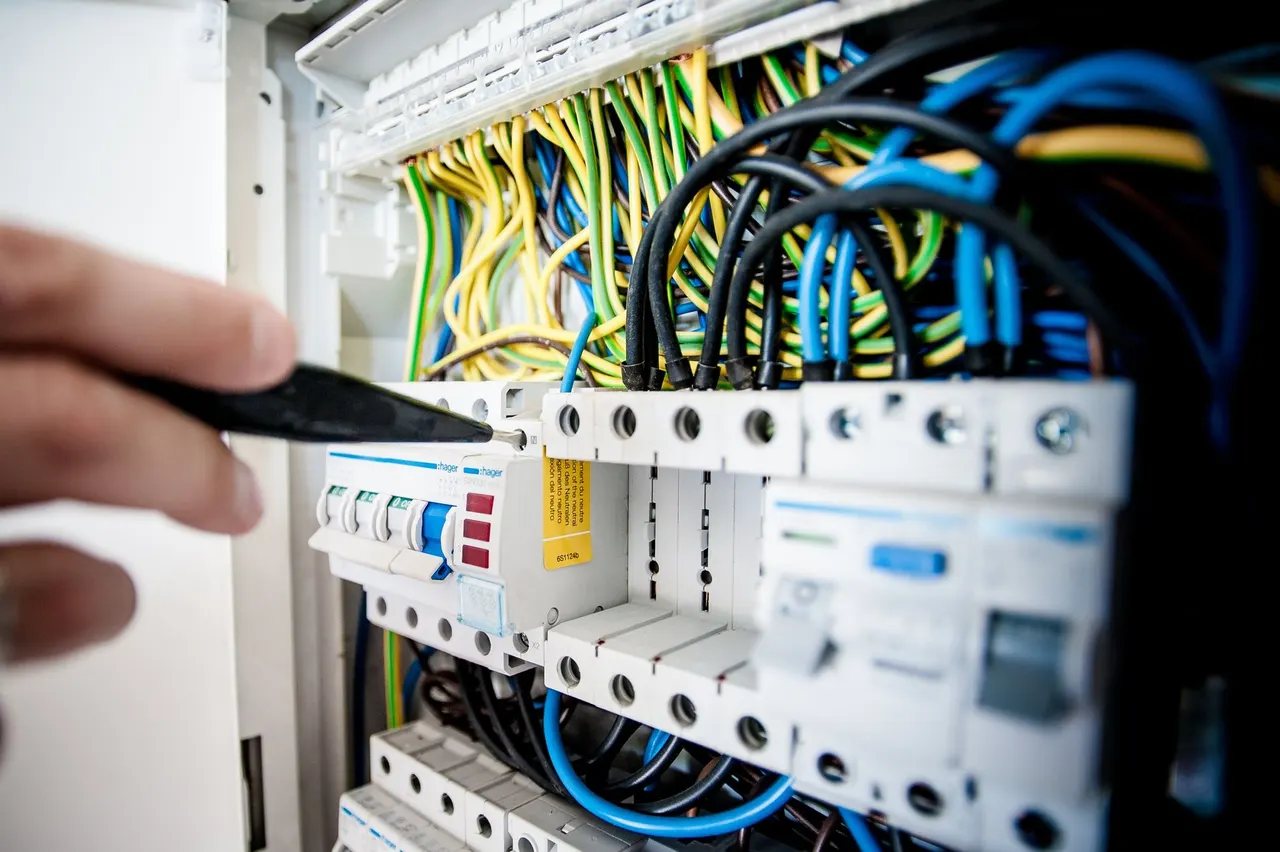
Confirms voltage at the charger and verifies the circuit is dead before we touch conductors. Every connection gets tested before power-up.
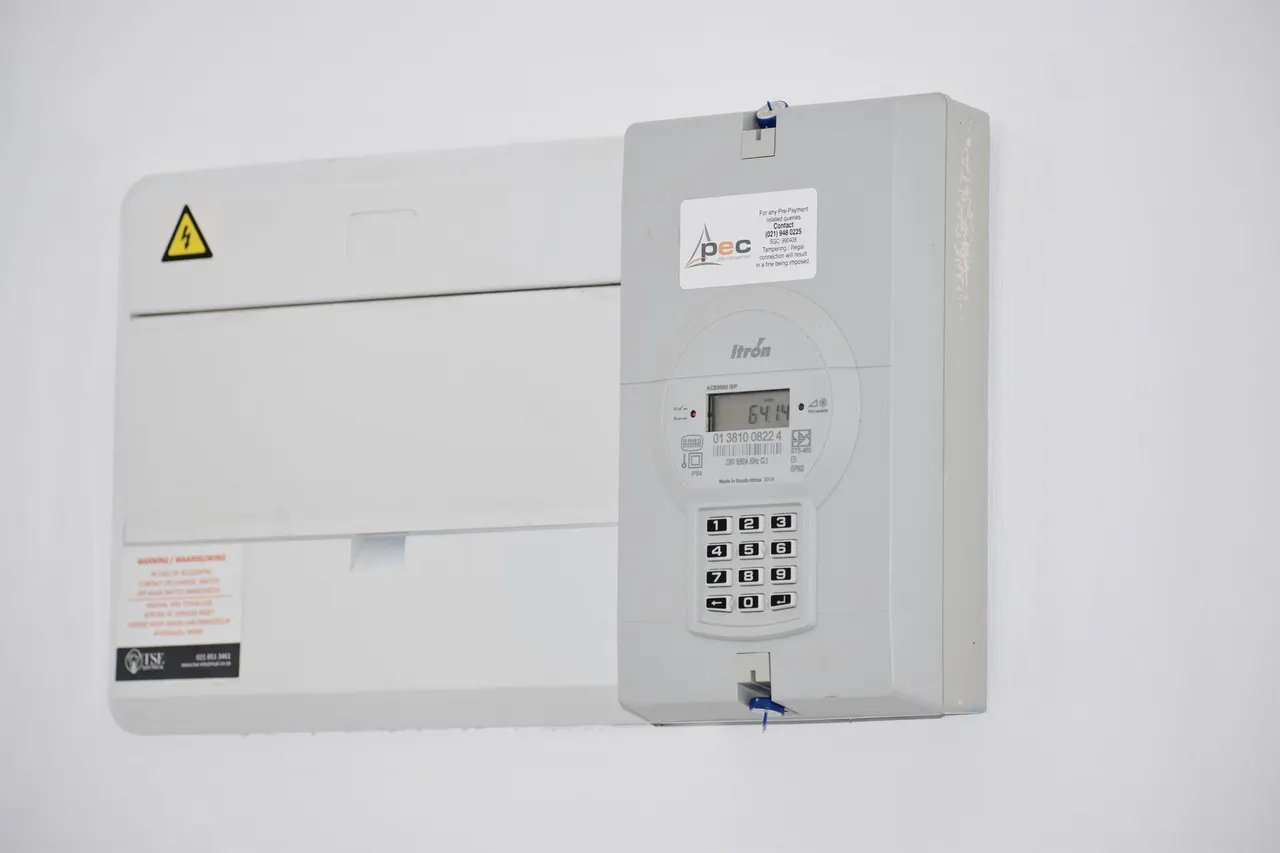
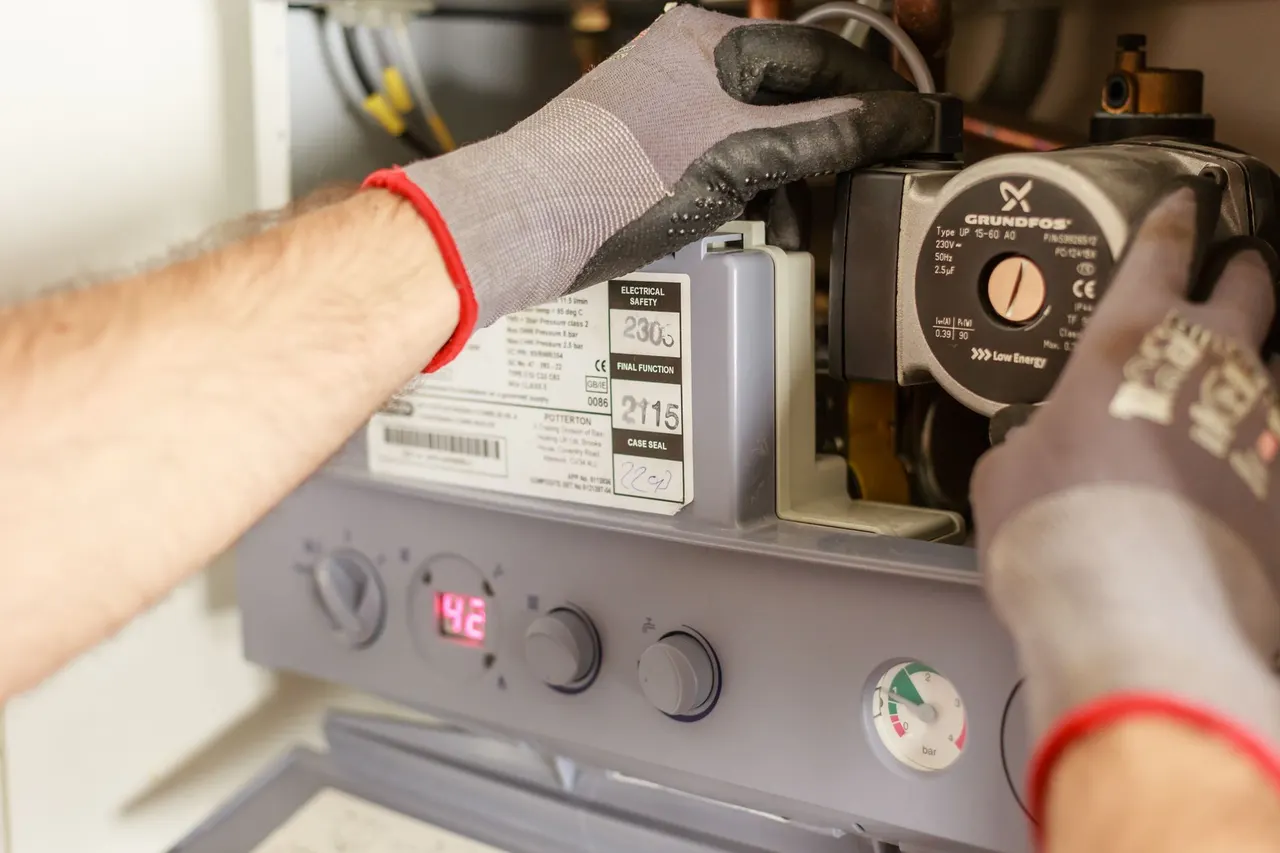
Tightens breaker and lug terminations to the manufacturer's inch-pound spec. Loose lugs are the leading cause of panel fires.
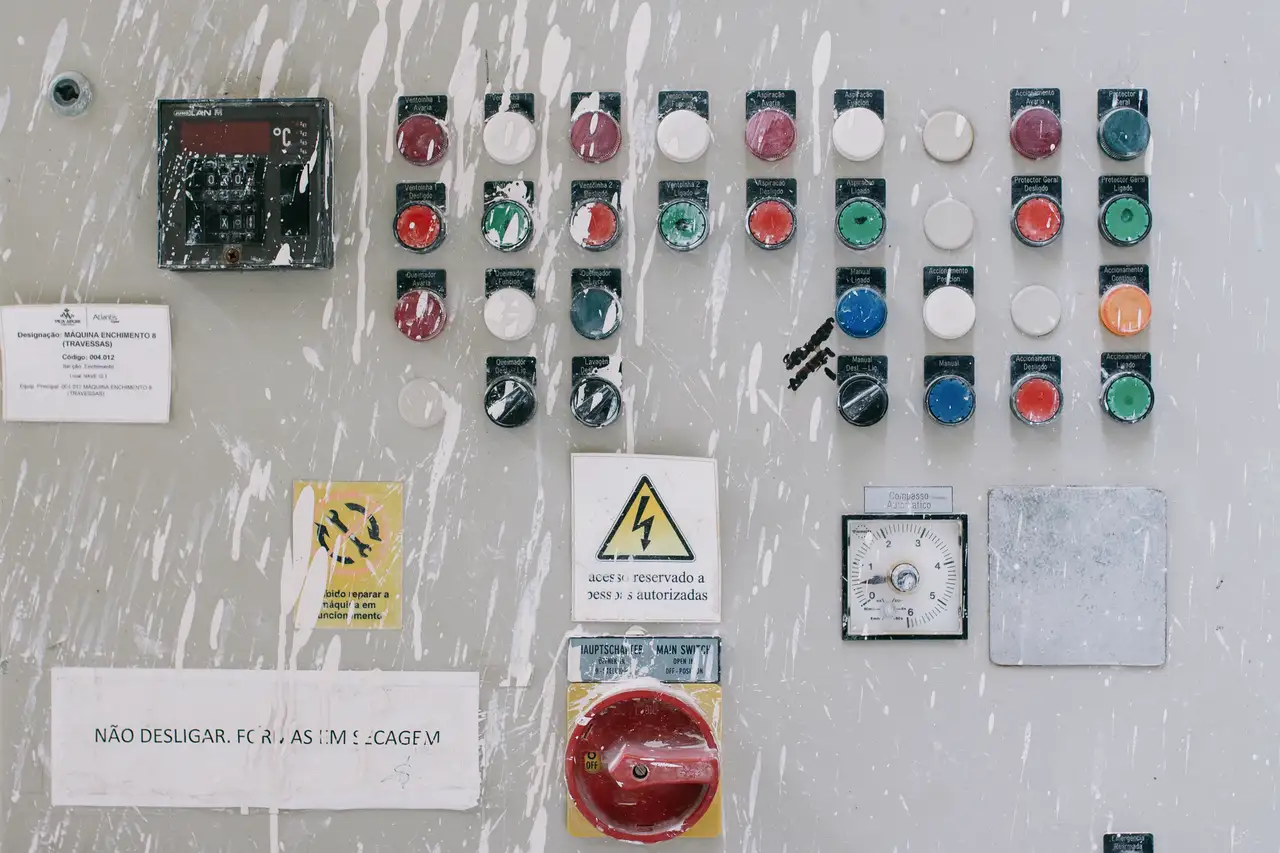
Maps every circuit in the house so the new panel directory is accurate and we know what can share a breaker.
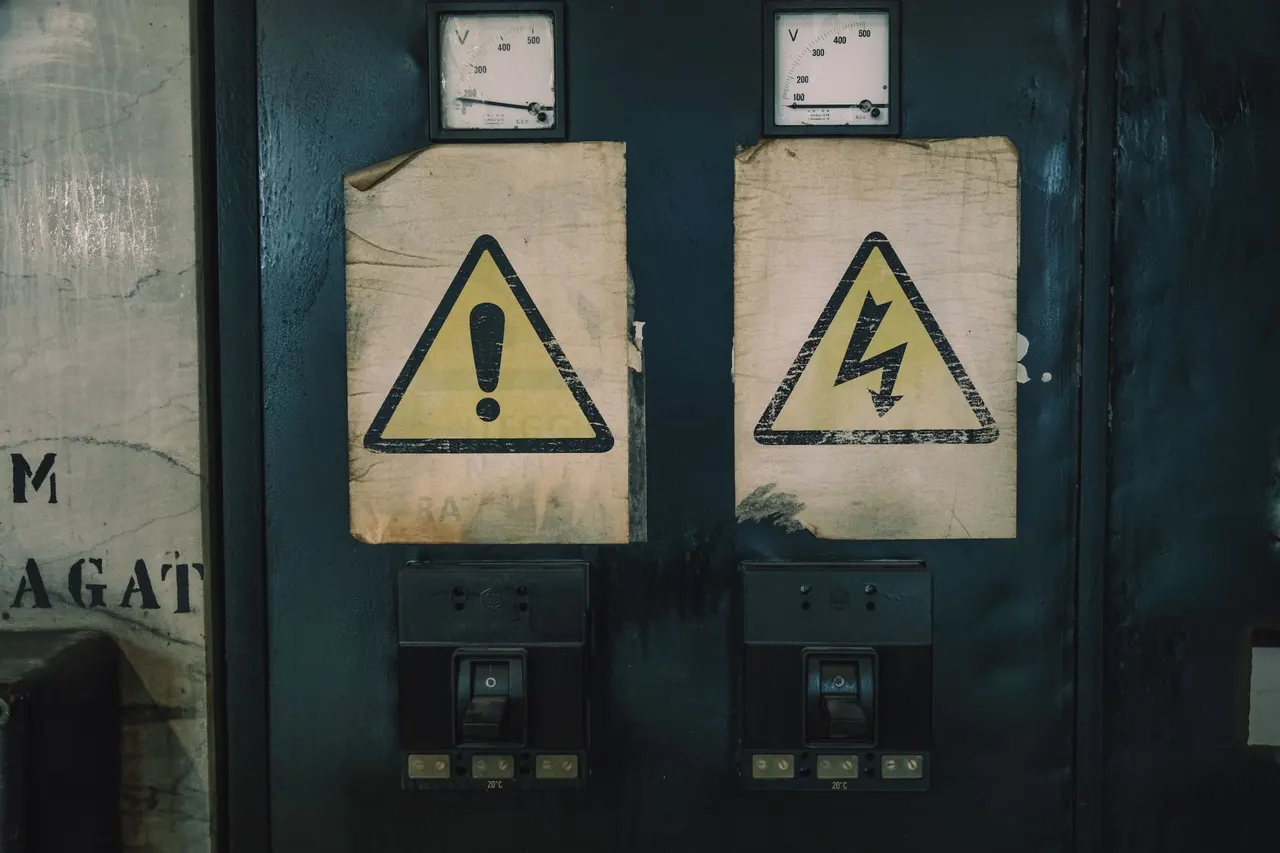
Clean conductor terminations and easier pulls through conduit, especially on longer garage runs.
Thermal views are illustrative, generated from the photographs.
OSHA-rated protection for the live portions of the service work and meter pull.
We size the service using the code's demand factors, not a rule of thumb. That means the panel is big enough for the charger and your existing appliances, with margin for future loads.
Panels, breakers, and charger components carry UL listing. Unlisted gear fails inspection and can void insurance, so we do not install it.
Lockout, meter pull protocol, and insulated gloves on every service change. We treat a live panel like a live panel.
Permits are pulled in the homeowner's name with the city, and the inspection is scheduled before we close the wall.
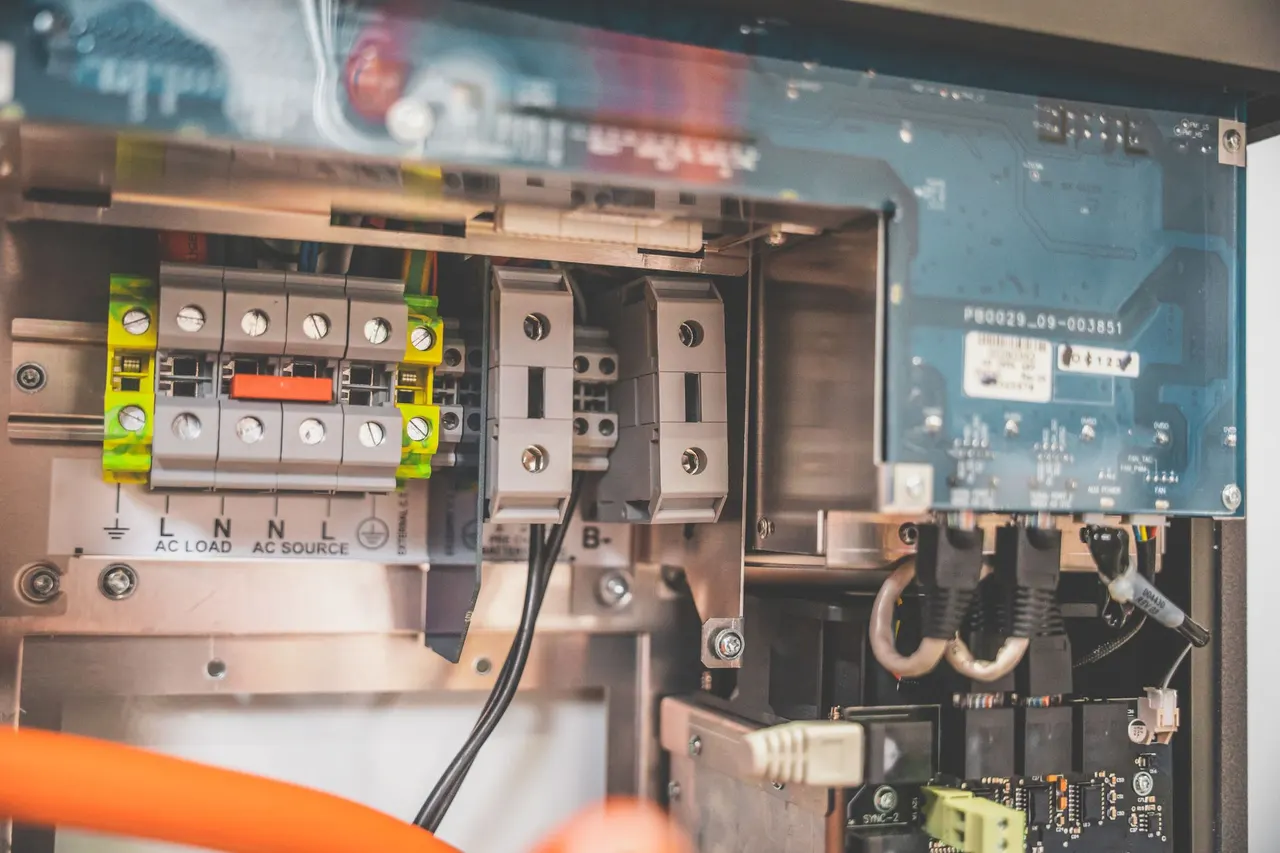
A new EV arrives and the garage only has a 120-volt outlet.
We run a load calculation, confirm the panel can take a 50-amp circuit, and install a Level 2 charger with a dedicated breaker. If the panel is full, we swap it first.
Outcome: Full-speed charging overnight, with the charger on its own circuit and the rest of the house unaffected.
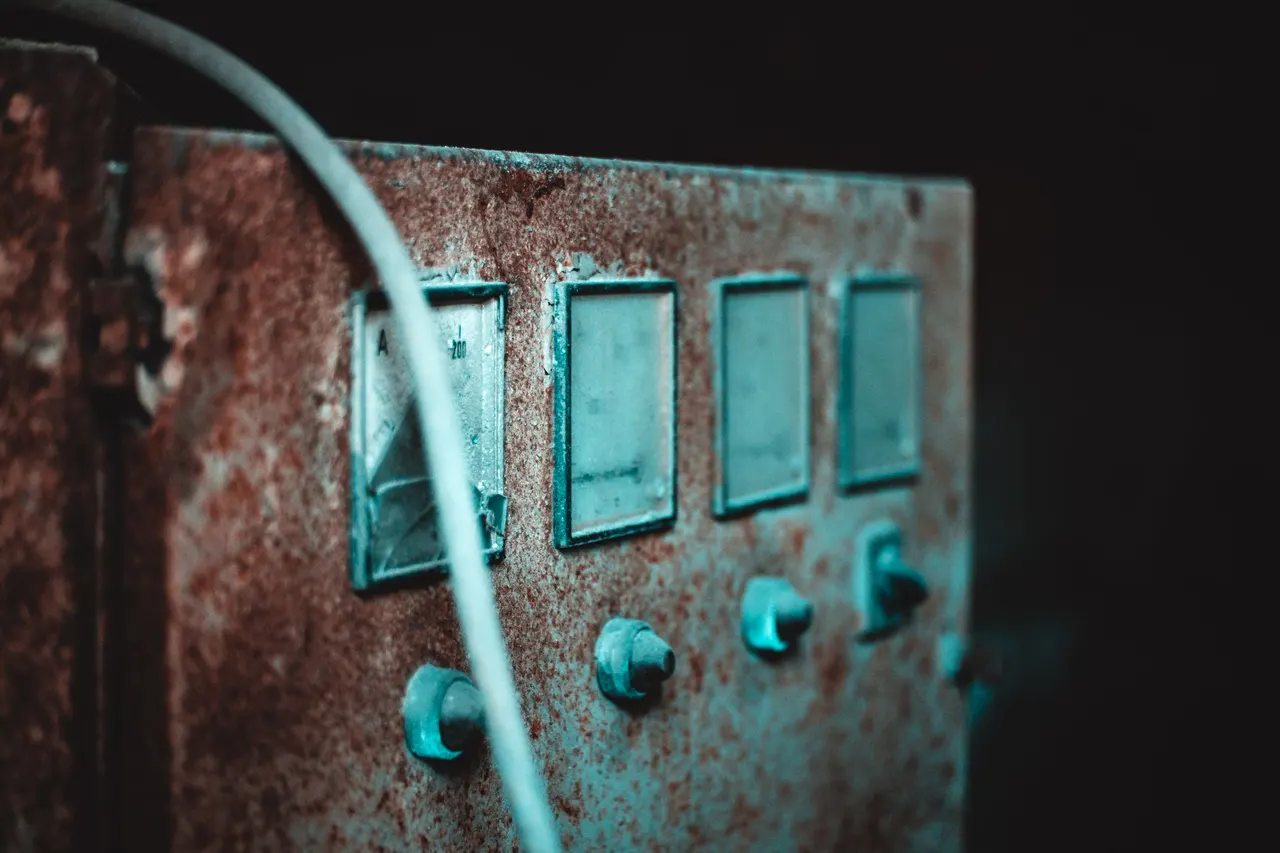
The main breaker trips every time the dryer and the car charge together.
We measure the actual load, find the overloaded circuits, and upgrade to a 200-amp service with a dedicated EV breaker. We correct any double-tapped breakers while we are in there.
Outcome: No more nuisance trips. The dryer, the range, and the charger run together without the main breaker complaining.
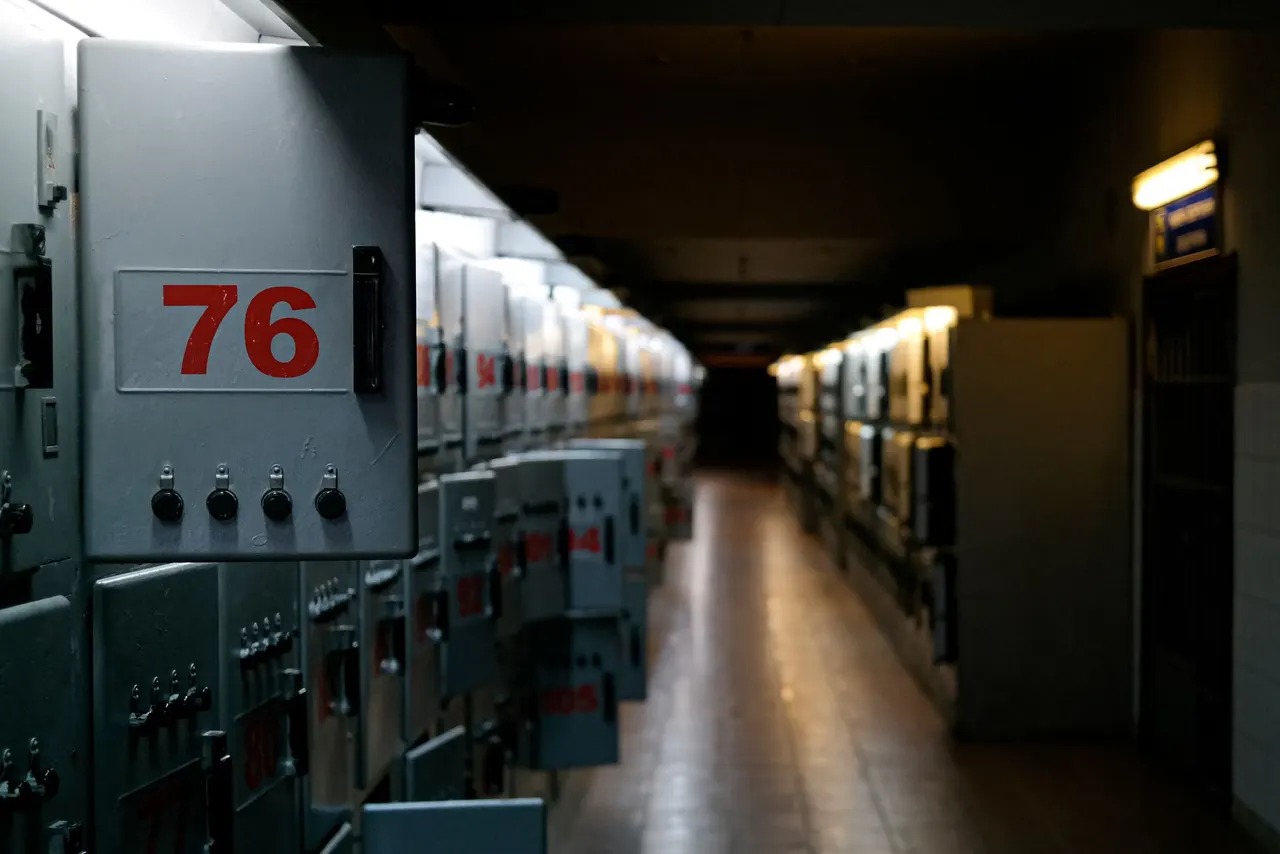
A home sale inspection flagged a rusted panel and missing grounds.
We replace the panel, correct grounding and bonding to NEC standards, and add the charger circuit the buyer requested. We pull the permit and meet the inspector.
Outcome: A passing inspection card, a clean panel, and a working charger so the sale closes on schedule.
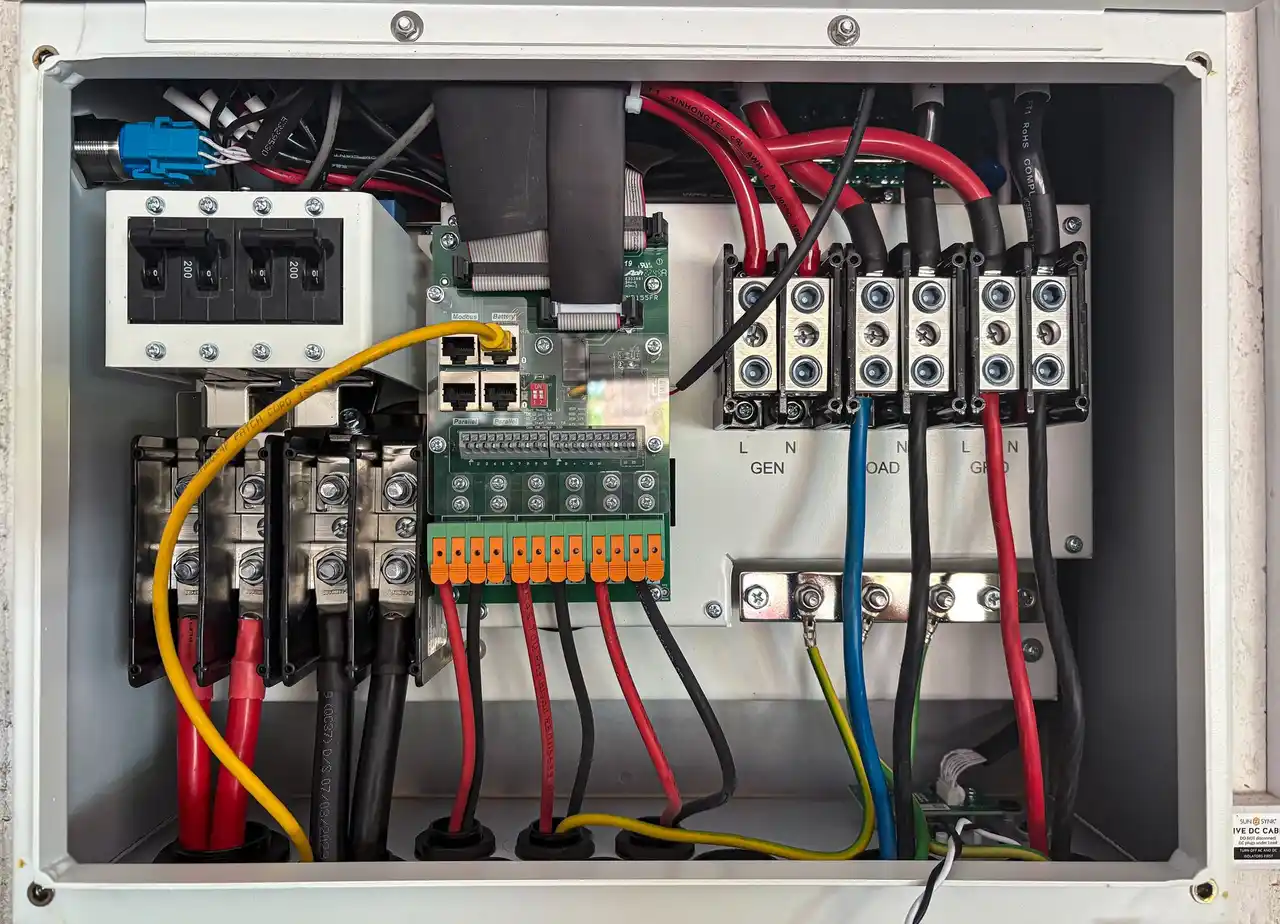
A two-EV household wants both cars charging on one service.
We design a 400-amp service split into two 200-amp panels, each with its own charger circuit. Conduit runs are planned so both cars park and charge without extension cords.
Outcome: Two full-speed chargers, separate breakers, and room for a future heat pump or shop subpanel.
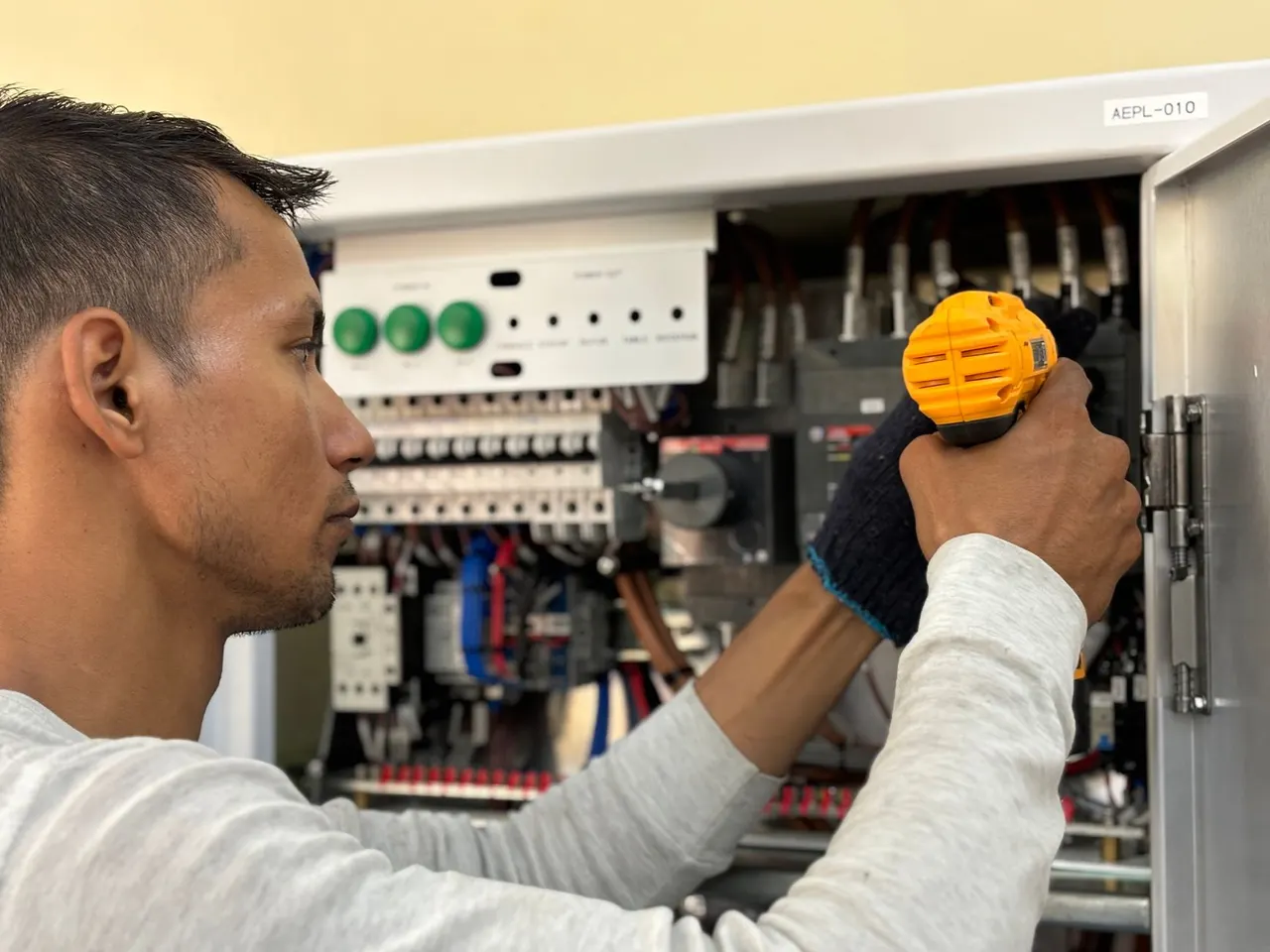
A homeowner wants solar later but needs the charger now.
We install a solar-ready panel with the busbar rating and breaker space for a future inverter feed, plus the EV circuit today. The solar crew adds their equipment later without another panel change.
Outcome: Charging now, solar-ready later, and one panel that serves both without a second upgrade.
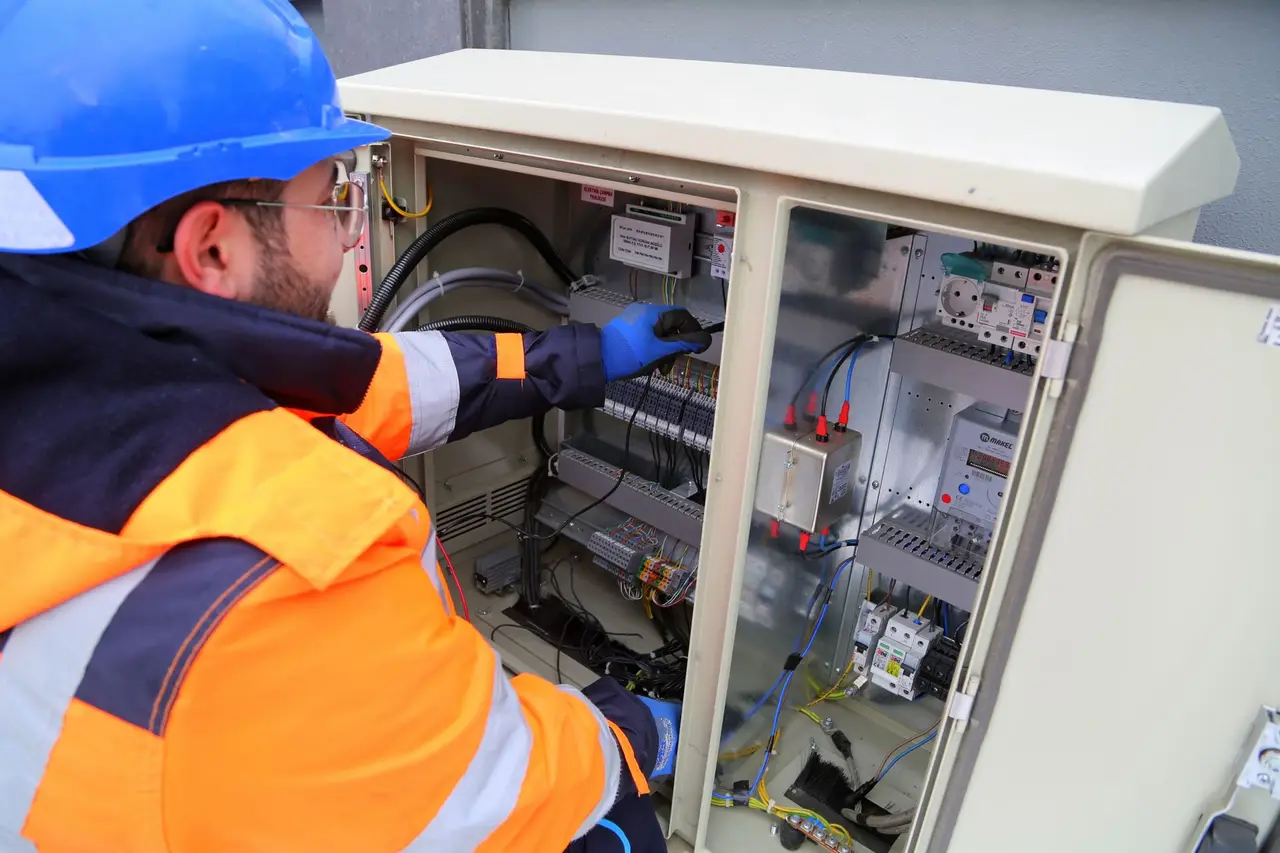
Rocky Mount sits in Nash County, where the housing stock ranges from 1920s mill houses to new builds in Cobblestone. Older homes in Mill Village and Englewood often still have 100-amp services, fuse boxes, or meter sockets that will not accept a modern panel. Summer heat pushes air conditioners hard, and a Level 2 charger adds a continuous 32 to 48 amps on top of that. We size the service for both.
Winter is milder here than the mountains, but heat pumps still run, and we account for that in the load calculation. If you need an electrician for EV charger panel Rocky Mount NC work, we know which neighborhoods have aluminum service drops, which streets have overhead versus underground feeds, and how the city inspector wants grounding and bonding done.
A level 2 EV charger panel upgrade Rocky Mount NC project usually takes four to eight hours on site, plus permit and inspection time.
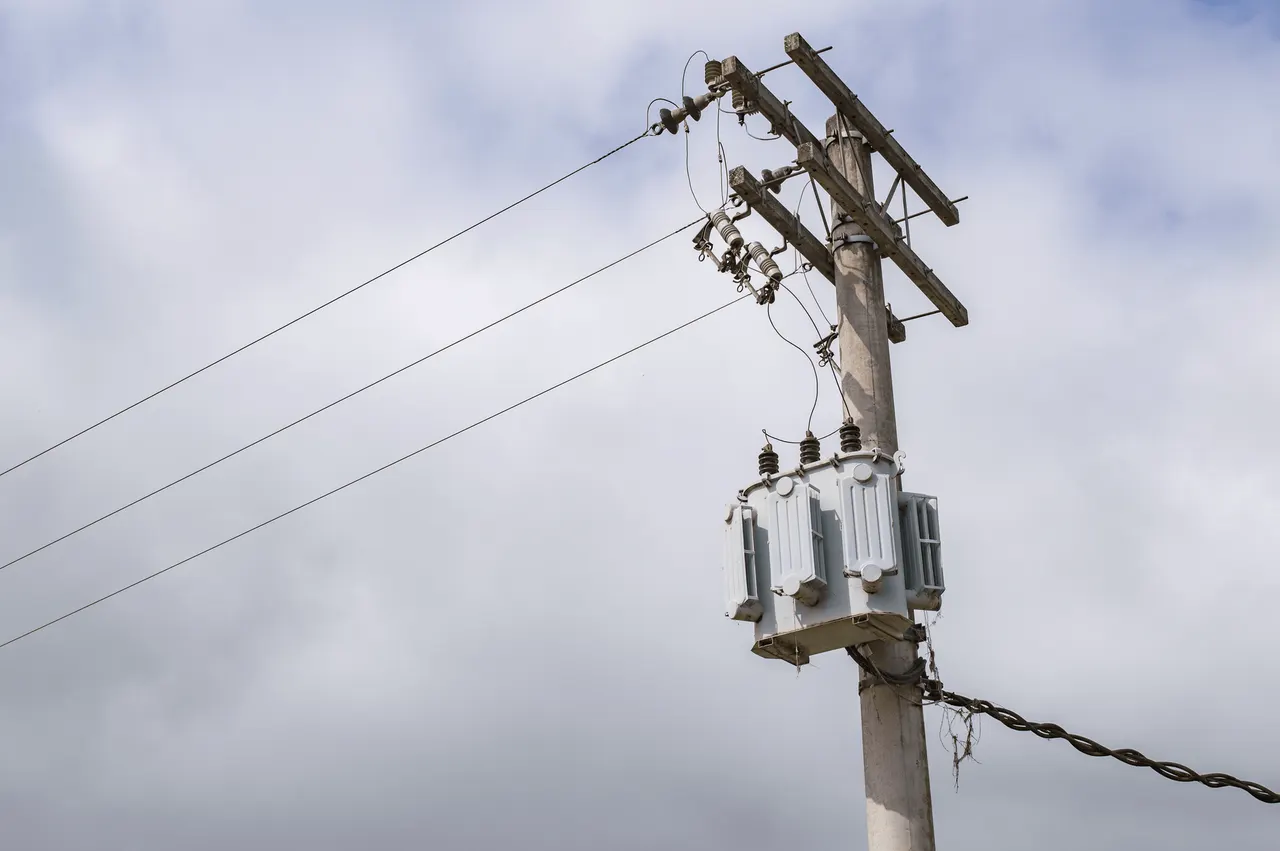
Before: A 1970s ranch in West Haven had a 100-amp panel with no open slots and a 120-volt garage outlet. The owner's new EV took 20 hours to charge and the main breaker tripped whenever the dryer ran.
After: We installed a 200-amp Square D panel, ran a 50-amp circuit to a hardwired Level 2 charger, and labeled every breaker. The car now charges from 20 percent to full in about six hours, and the dryer runs without tripping anything.
Check the charger's fault light monthly and keep the area around the panel clear. We recommend a torque check on the main lugs every three years.
Before: A 1940s mill house in Mill Village still had a fuse box and knob-and-tube wiring in part of the house. The owner wanted a charger but two electricians said the service could not support one.
After: We replaced the fuse box with a 200-amp breaker panel, corrected the grounding, and added a 40-amp charger circuit. The inspection passed first try. The owner charges overnight and the lights no longer flicker when the car starts charging.
Keep the panel door closed and the area dry. Have the panel inspected if you notice any burning smell or warm breaker faces.
Before: A home in Englewood failed a pre-sale inspection for a rusted busbar, two double-tapped breakers, and missing grounds. The buyer wanted an EV charger included in the sale.
After: We replaced the panel, separated the double-tapped circuits, landed new grounding and bonding, and installed a 50-amp charger circuit. The reinspection passed, the sale closed, and the new owner charges at full speed.
Test the charger's GFCI monthly using its test button. Schedule a panel inspection if you ever see rust or moisture inside the door.
Most Rocky Mount homes were never wired for a car. These are the failures we see and correct, usually in a single service visit.
Full-speed charging on a panel that passes inspection.
A dedicated 240-volt circuit at the right amperage lets your Level 2 charger deliver its rated output. That means 25 to 40 miles of range per hour instead of a trickle from a 120-volt outlet. You wake up to a full battery instead of planning around charge times.
Overloaded panels trip when the EV, dryer, and microwave run together. We run a load calculation, then size the service so the charger has its own breaker and the rest of the house keeps working. One customer in West Haven stopped resetting her panel three times a week.
NEC 2020 and NEC 2023 require proper grounding, GFCI protection in some locations, and a listed breaker for EV charging. We correct double-tapped breakers and missing grounds so your installation passes inspection. That paperwork matters when you sell the house or file a claim.
A 200-amp panel leaves space for a second EV, a heat pump, or a shop subpanel later. We label every circuit and leave a directory so the next electrician knows what feeds what. Planning ahead costs less than a second upgrade in two years.
What a written scope covers and what shapes it. Prices are set by the business after the first look.
Included
Depends on
Clear records you can keep and share.
Written summary of panel capacity
Labeled directory of every breaker
Signed city inspection record
Before and after panel photos
Your charger's continuous draw is what matters, not its peak rating. We size the circuit to the continuous load.
Older homes with limited capacity
Standard for one EV
Two EVs or a shop
A list like this tells people straight away whether you cover their street. Not listed? Call and ask: it only takes a minute.
Based in Rocky Mount and covering the places around it. Pick one for local details.
A straight 200-amp swap with a short garage run sits near the low end. Longer conduit runs, a meter base replacement, or a 400-amp service push the number up. We give you the exact figure after the load calculation, before any work starts.
You need one if your panel is 100 amps, has no open breaker slots, shows rust or scorching, or still has a fuse box. A 200-amp panel with two open slots can often take a charger with no upgrade at all. We run the load calculation first, so you only pay for what your house actually requires.
The on-site work takes four to eight hours for a standard 200-amp swap plus charger circuit. Add two to five business days for the permit to clear and one day for the inspection. Most customers charge at full speed within a week of the first call.
No, unless you add a transfer switch and a generator or battery backup. A standard panel upgrade keeps your charger tied to the grid. If outage charging matters to you, we can install a transfer switch or a solar-ready panel at the same time and wire it for future backup.
Other services from the same team.
Call (252) 809-7893 and we will run the load calculation, quote the panel, and pull the permit. Same-day estimates on most calls before noon.
Call us at (252) 809-7893 or send a message and we will get back to you the same business day. We answer the phone during normal hours and roll on emergency panel calls after hours. Tell us what the panel is doing and we will tell you what it takes to fix it.