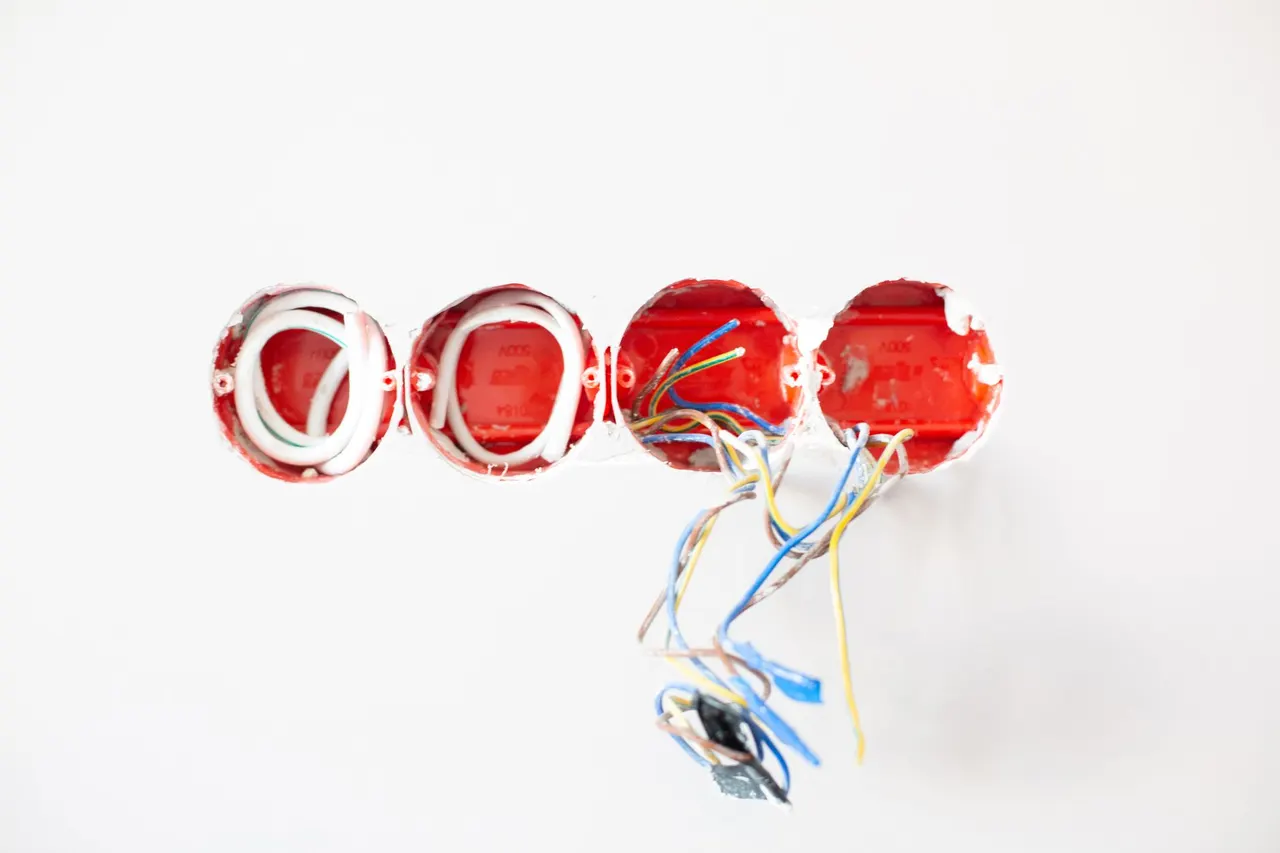
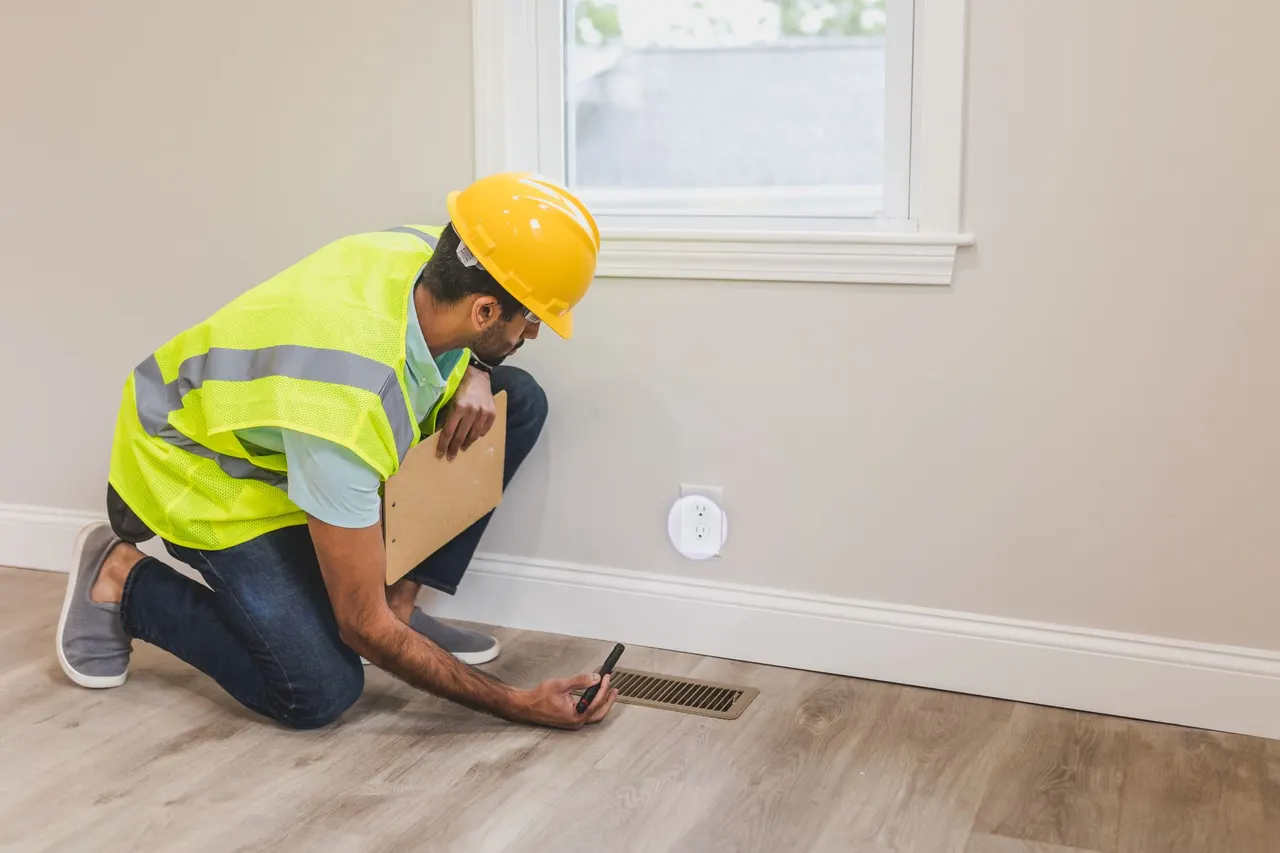
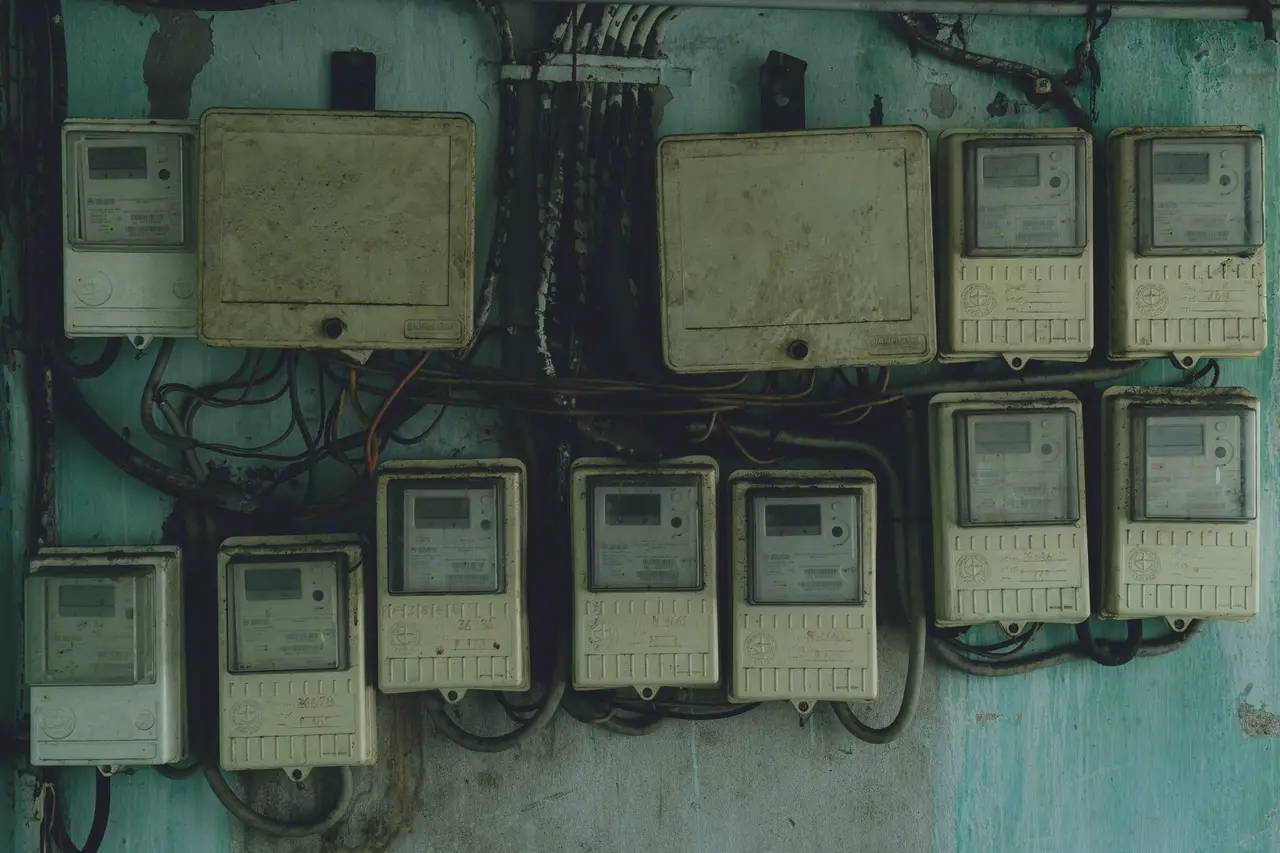
A solar panel ready electrical panel Rocky Mount NC gives your home the bus capacity, breaker space, and clean grounding path a rooftop array needs before installers will touch your roof. We replace or upgrade panels for homeowners across Nash County who are adding solar now or planning it within a year. If your current panel is a 100-amp box with no spare slots, we size it correctly the first time so your solar contractor can interconnect without a second visit.
Every solar ready panel job includes the panel itself, the breakers, the permit, and the inspection. What changes is how much of the surrounding service equipment needs replacing. We tell you up front which parts are included and which are add-ons, so there are no surprises when the cover comes off.
New Load Center
A UL listed panel from Square D, Eaton, or Siemens, sized to your solar inverter's backfeed. We match the busbar rating to the 120% rule and leave at least two spare slots for future circuits.
Solar Backfeed Breaker
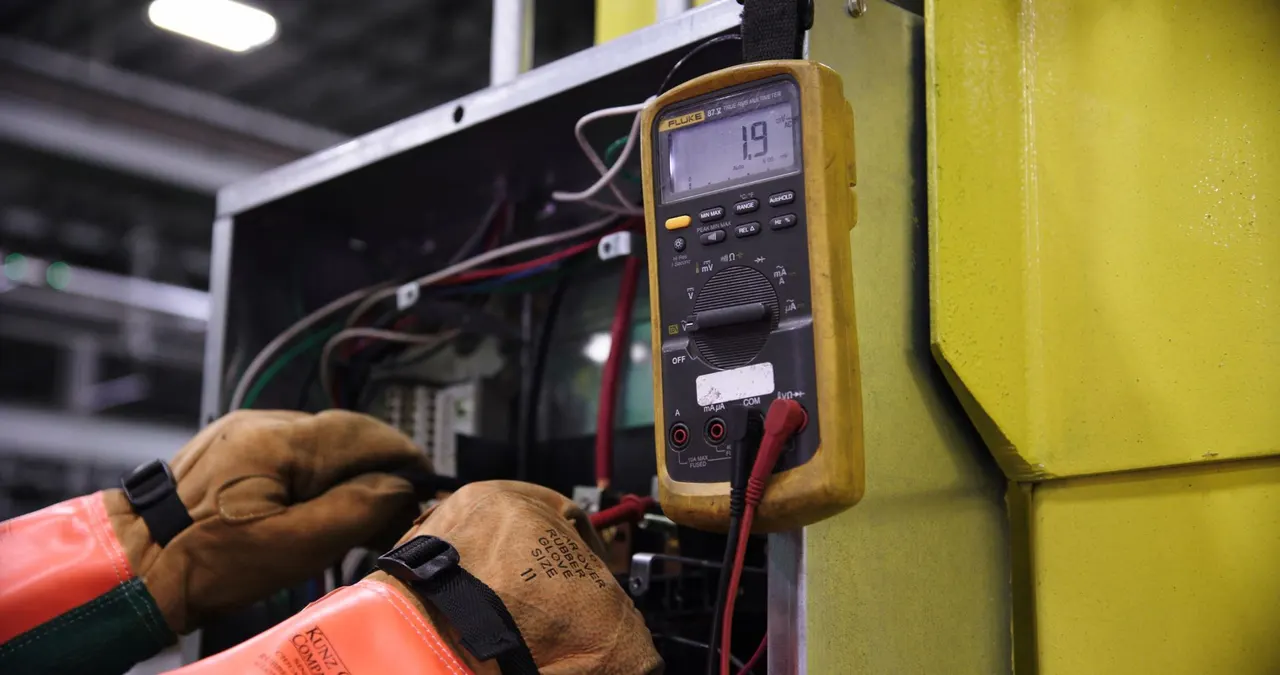
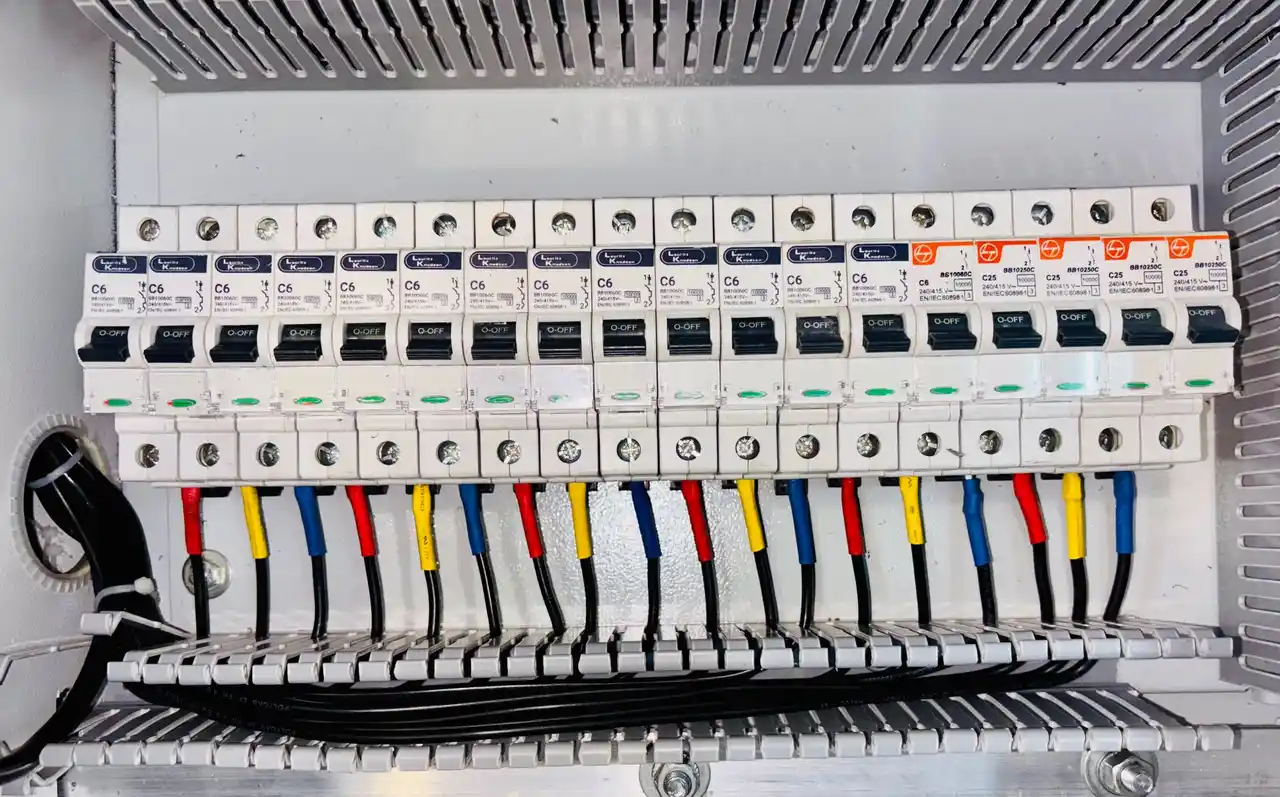
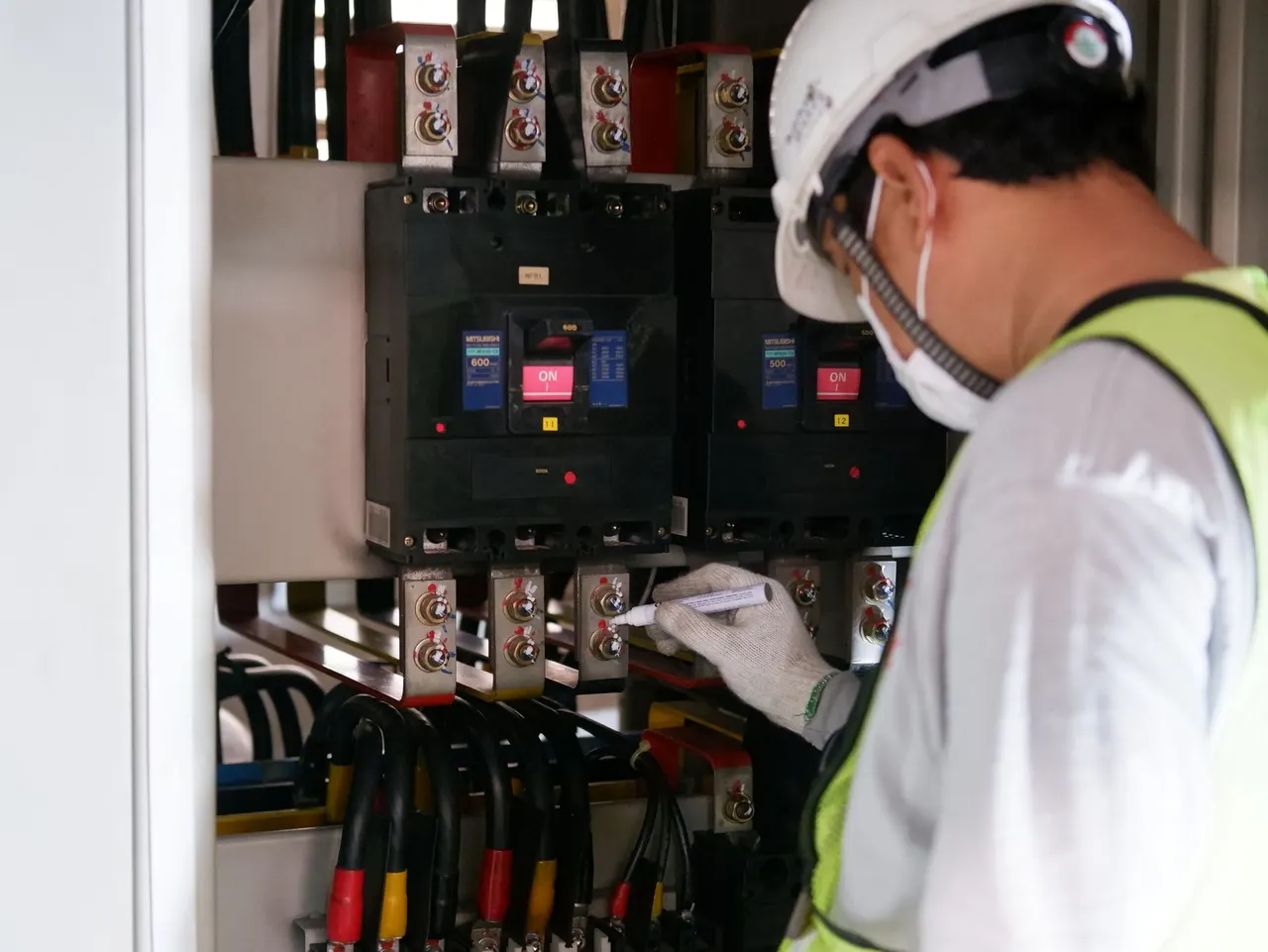
A dedicated breaker for the solar feed, labeled clearly inside the panel door. We torque the lug to the manufacturer's spec with a torque screwdriver and verify the connection with a multimeter.
Grounding and Bonding
New grounding wire, bonding jumper, and grounding electrode conductor sized to NEC 2020 and NEC 2023. We verify continuity before the inspector arrives so there is no question about the ground path.
Circuit Labeling
Every breaker gets a typed label, including the solar feed, the main disconnect, and any subpanel. A clear directory inside the door is one of the first things an inspector checks.
Permit and Inspection
We file the electrical permit with the City of Rocky Mount or Nash County, schedule the inspection, and meet the inspector on site. You get the signed-off documentation for your utility interconnection.
Homes and businesses.
The approach is the same for a home and a business. What changes is the access, the schedule and who needs the paperwork.
For Homeowners
We check your panel, meter base, and grounding before we quote a solar ready upgrade. You get a written price and a clear timeline before any work starts.
100-amp panel too small for solar
Full breaker row with no spare slots
Fuse box that cannot take solar
For Businesses
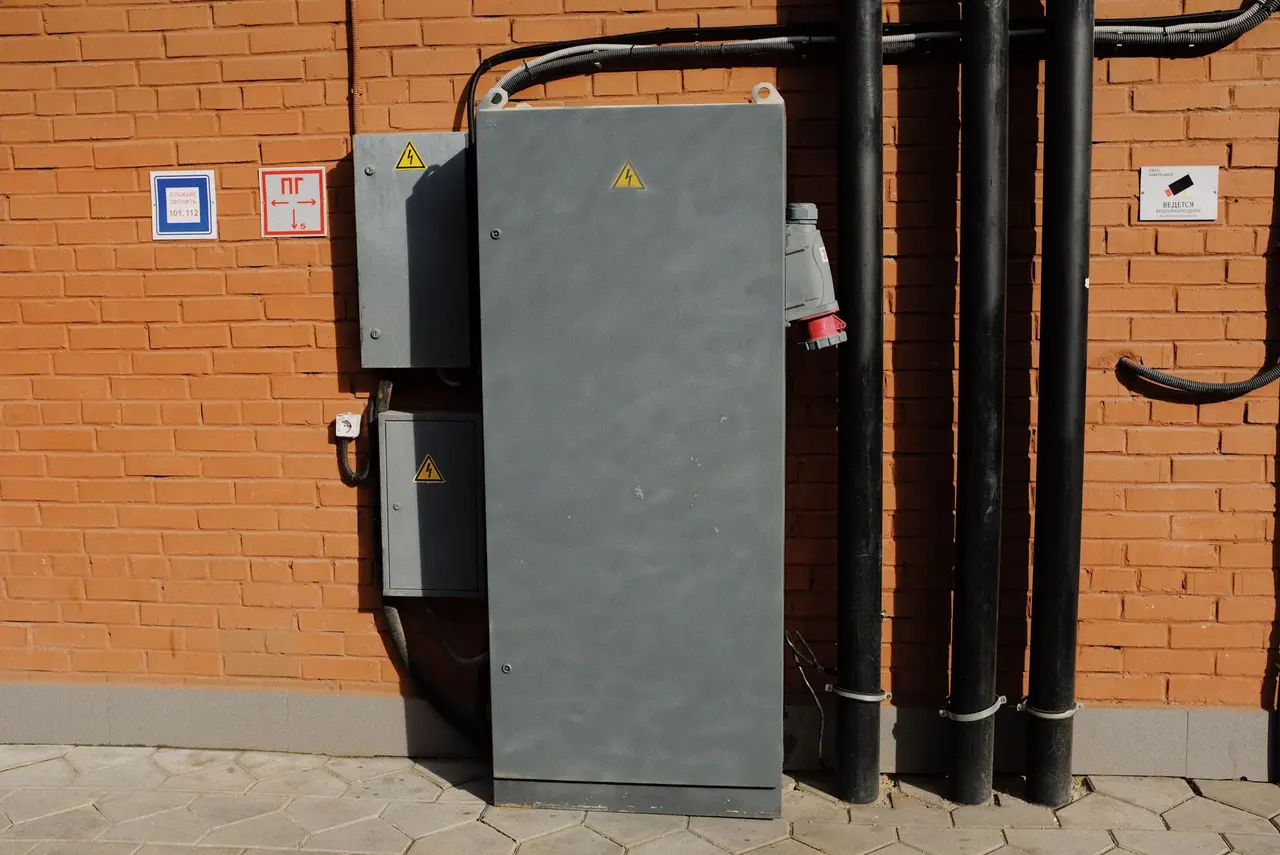
We handle three-phase service, larger bus ratings, and utility coordination for commercial solar projects. Your tenants and your schedule stay protected throughout the work.
Three-phase service upgrades
400-amp panels for shop loads
Utility disconnect coordination
Solar Panel Ready Electrical Panel Rocky Mount NC
A plain-language look at what Solar Panel Ready Electrical Panel involves and when it is needed.
A solar panel ready electrical panel Rocky Mount NC is an electrical panel that has the busbar rating, breaker slots, and labeling a solar inverter needs to be tied in legally. Standard 200-amp panels often carry a 225-amp bus, which is what lets you backfeed up to 40 amps of solar under the 120% rule. We swap out undersized or full panels, install a dedicated solar breaker, and leave room for future battery storage or an EV charger.
Most Rocky Mount homes built before 1990 still run a 100-amp panel with a fuse box or a full breaker row. Adding solar to that setup means an overloaded panel, tripping breakers, and an inspector who will not pass the interconnection. A solar ready panel upgrade Rocky Mount NC fixes the bottleneck before your solar crew arrives, so the array, inverter, and utility meter all talk to each other on day one.
A solar ready panel is sized for the backfeed before the array goes on the roof.
What it is
A load center with enough busbar rating and open slots to accept a solar backfeed breaker legally.
When you need it
Before your solar installer ties in the inverter, especially if your panel is 100 amps or full.
What to expect
A site check, a written price, a four-to-six-hour swap, and an inspection with the permit handled.
How the Panel Swap Works
Every job follows the same five steps, from the first phone call to the final inspection. Here is what you can expect and roughly how long each stage takes.
Phone Assessment
We ask for a photo of your current panel, the main breaker size, and your solar installer's interconnection plan. That call takes about ten minutes and tells us whether you need a full replacement or just a breaker and bus upgrade.
Photo review
Breaker size
Solar plan
On-Site Load Check
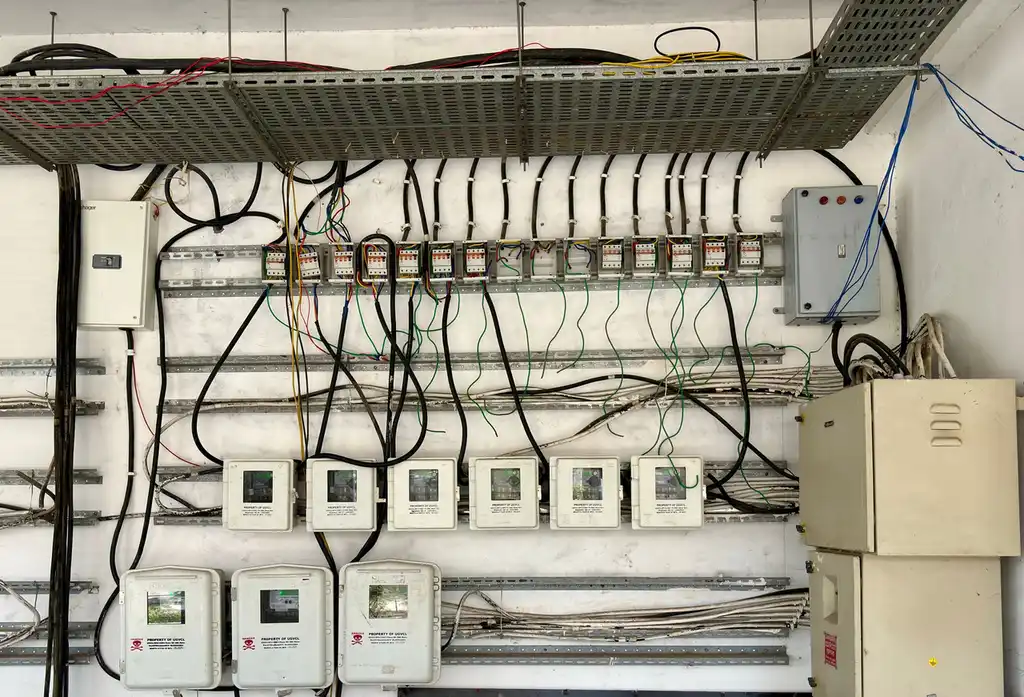
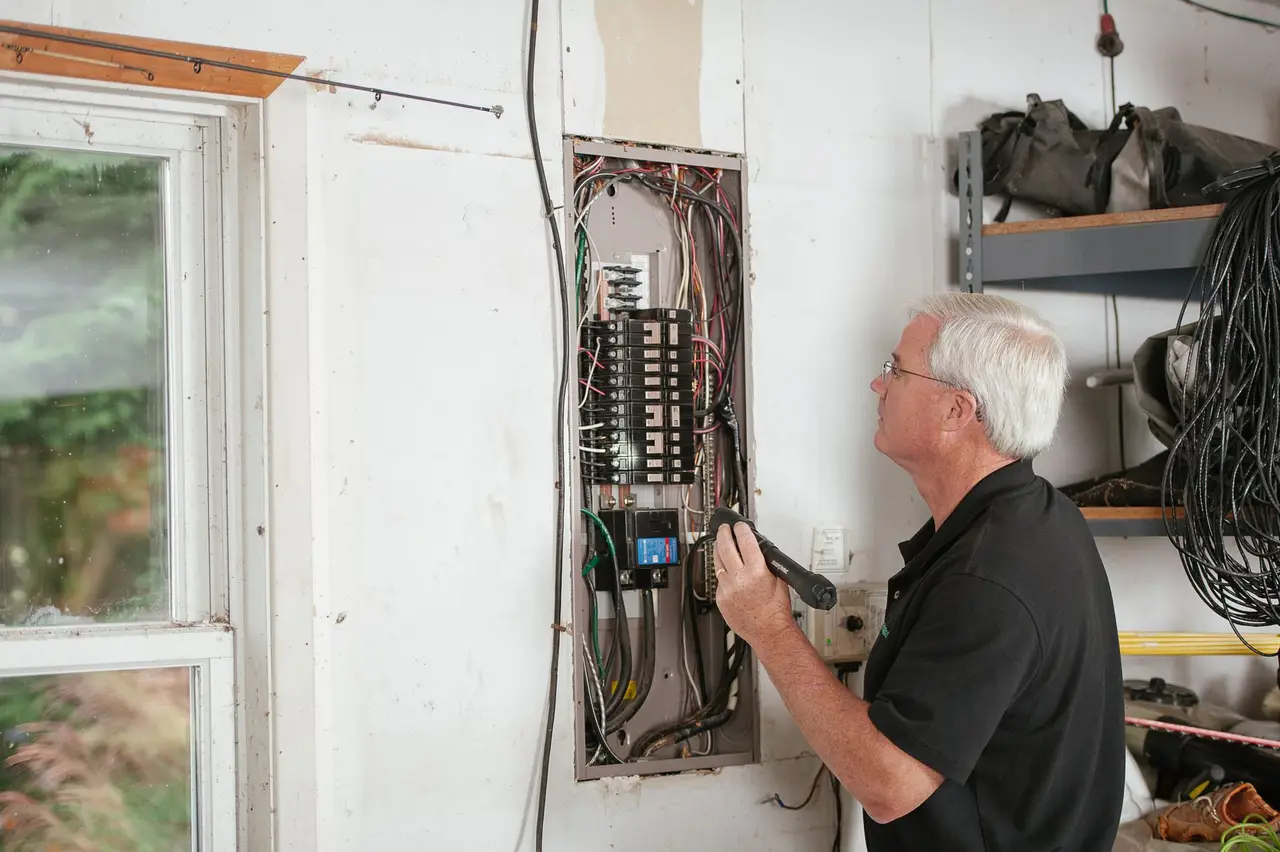
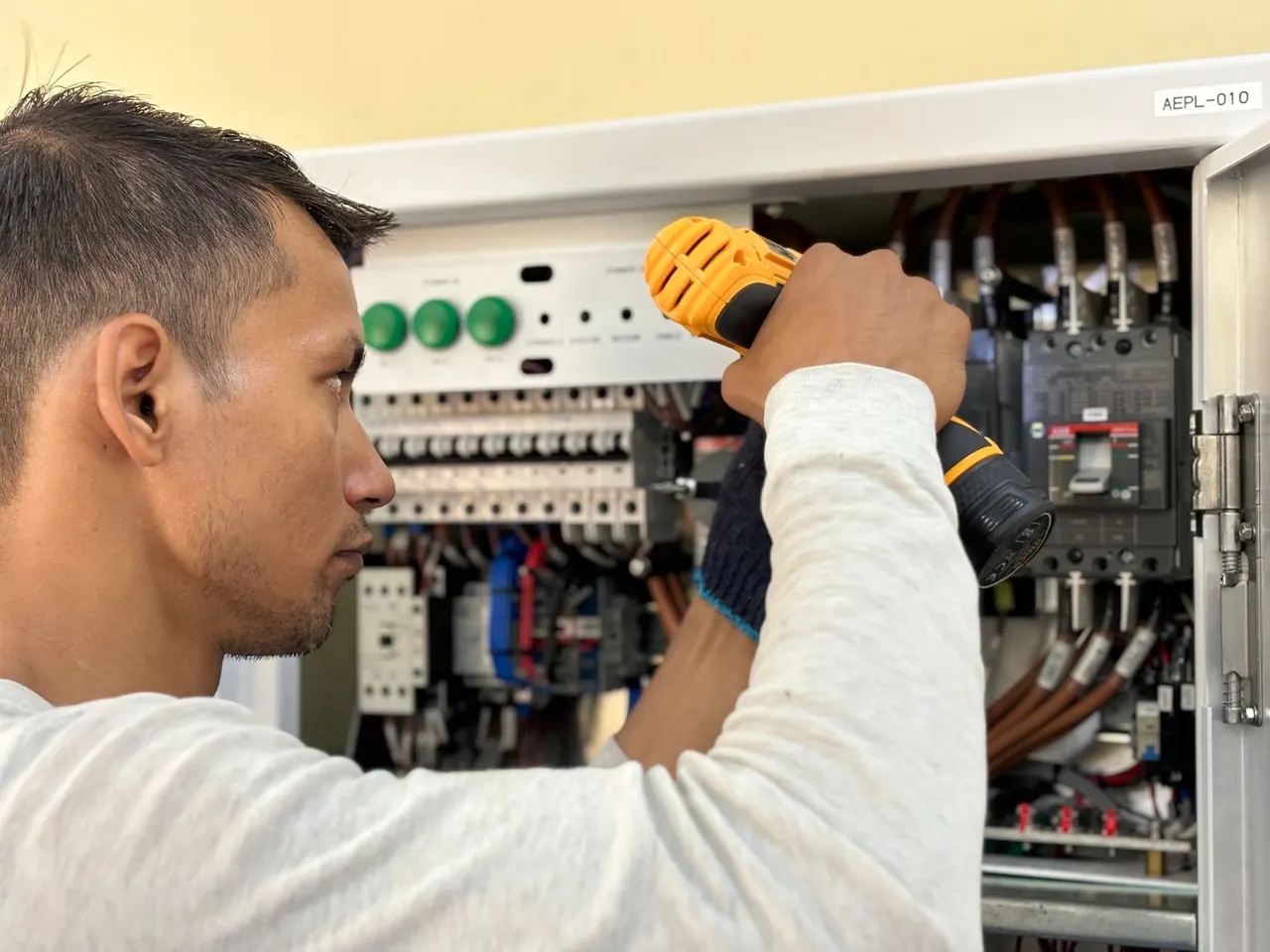
A technician arrives with a clamp meter and voltage tester, opens the panel, and measures your existing service. We check for double-tapped breakers, rusted panel backs, and undersized service entrance cable. This visit runs 45 to 60 minutes.
Load check
Clamp meter
Panel inspection
Permit and Materials
We file the electrical permit with the City of Rocky Mount or Nash County, then order the panel. Square D, Eaton, and Siemens all make solar-friendly load centers, and we match the brand to what your solar inverter manufacturer recommends for backfeed.
Permit filed
Panel ordered
Brand matched
Install Day
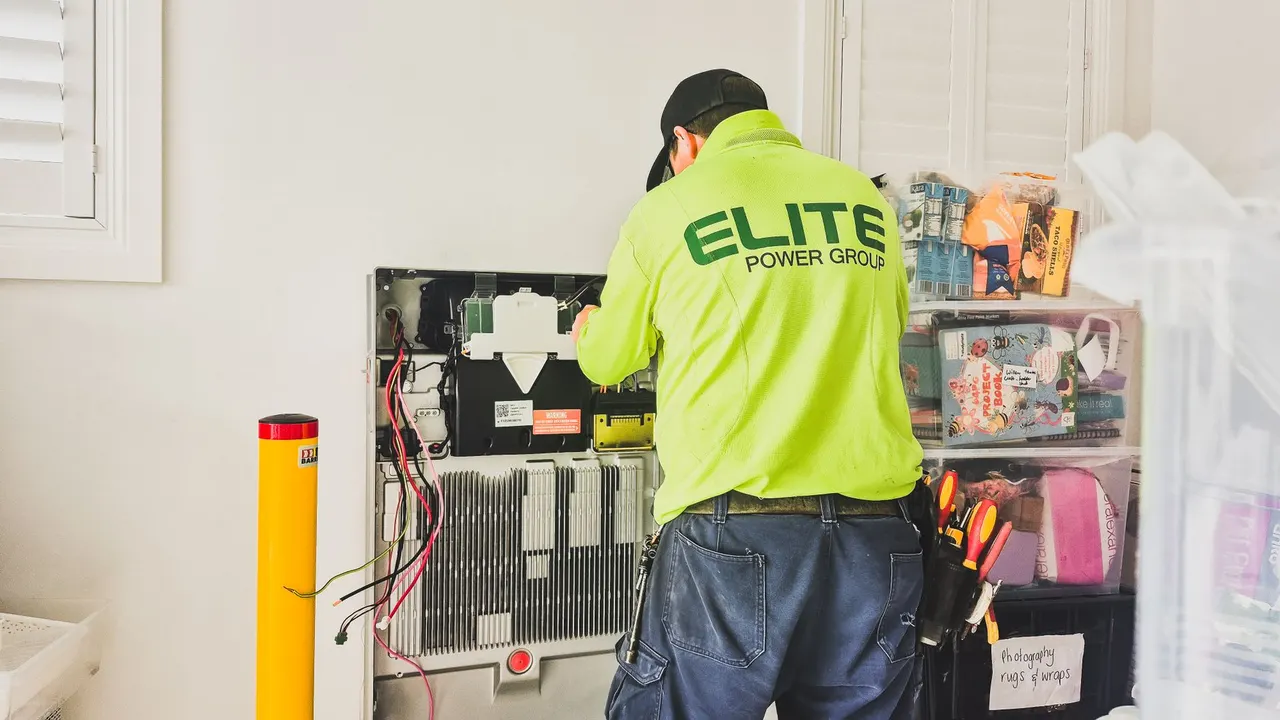
Power is shut off at the meter, the old panel comes out, and the new one goes in. A typical residential swap takes four to six hours. We label every circuit, install the solar breaker, and leave the cover off until the inspector sees it.
Power off
Panel swapped
Circuits labeled
Inspection and Handoff
The inspector signs off, the utility re-seals the meter, and your solar contractor schedules the array tie-in. We walk you through the new panel, show you which breaker feeds the inverter, and leave a labeled directory inside the door.
Inspection passed
Meter sealed
Walkthrough
Tools and Methods We Use
Move across a circle, or focus it and press Enter, for an illustrative thermal view of the photograph.
Clamp meter
Measures current on the service conductors and individual circuits to confirm the load calculation before we size the new panel.
Torque screwdriver
Tightens breaker lugs and neutral bars to the manufacturer's inch-pound spec, which prevents loose connections and heat buildup.
Multimeter and voltage tester
Verifies voltage and continuity on every circuit after the swap, including the solar backfeed breaker and the grounding electrode conductor.
Circuit breaker finder
Maps which breaker feeds which outlet so the new panel directory is accurate and the inspector can trace circuits quickly.
Insulated gloves and cable puller
Keeps the crew safe at the meter and helps pull new service entrance cable through conduit without damaging the insulation.
Thermal views are illustrative, generated from the photographs.
Methods
NEC 2020 and NEC 2023 load calculations
We calculate the existing load and the solar backfeed using the current code cycle, then size the busbar so the combined total stays within the 120% rule. This is the number inspectors check first.
120% busbar rule compliance
The solar breaker plus the main breaker cannot exceed 120% of the busbar rating. We document the math and label the panel so the inspector can verify it without a phone call.
UL listed component matching
Breakers, panels, and meter sockets all come from UL listed lines.
OSHA lockout and safety procedures
Power is locked out at the meter before any panel work begins. Insulated gloves, voltage verification, and a second check before the cover comes off are standard on every job.
When to Make Your Panel Solar Ready
Solar contract flagged panel
You signed a solar contract and the installer flagged your 100-amp panel during the site survey.
We perform a load check, confirm the inverter's continuous output, and replace the panel with a 200-amp unit and a 225-amp bus. The permit and inspection are handled in the same week as the swap.
Outcome: Your solar crew installs the array on the original schedule, and the utility approves the interconnection without a re-inspection.
Solar plus battery and EV
You want solar plus a battery backup and an EV charger, all within the next year.
We size the panel for the combined load, install a solar breaker and a dedicated EV circuit, and leave spare slots for the battery feed. The bus rating accounts for all three sources.
Outcome: One panel handles solar, storage, and charging, so you avoid a second upgrade when the battery arrives.
Fuse box to solar ready
Your home still has a fuse box and you are planning solar in Birchwood.
We replace the fuse box with a modern breaker panel, upgrade the meter base if needed, and correct any grounding or bonding issues. The solar breaker goes in during the same visit.
Outcome: You get a code-compliant panel that passes inspection and is ready for the array whenever you schedule it.
Full panel plus shop subpanel
Your panel is full and you are adding a rooftop array plus a shop subpanel.
We install a larger load center or a subpanel to separate the shop loads from the house, then add the solar breaker to the main panel with clear labeling.
Outcome: Both the array and the shop have dedicated circuits, and the inspector can trace every feed inside the panel.
Downtown Rocky MountWest HavenBirchwood
How Solar Ready Panels Work in Rocky Mount
Rocky Mount sits in Nash County, where the building stock ranges from 1920s mill houses near Rocky Mount Mills to 1990s subdivisions in Westridge and Cobblestone. Older homes often still run 100-amp service with a fuse box, which will not pass a solar interconnection. Newer homes may have a 200-amp panel but no spare breaker slots.
The City of Rocky Mount and Nash County both inspect electrical work, and the utility requires a signed-off permit before it will approve a solar meter. Summer heat pushes HVAC loads hard, so we size the bus with the air conditioner running, not just the solar inverter.
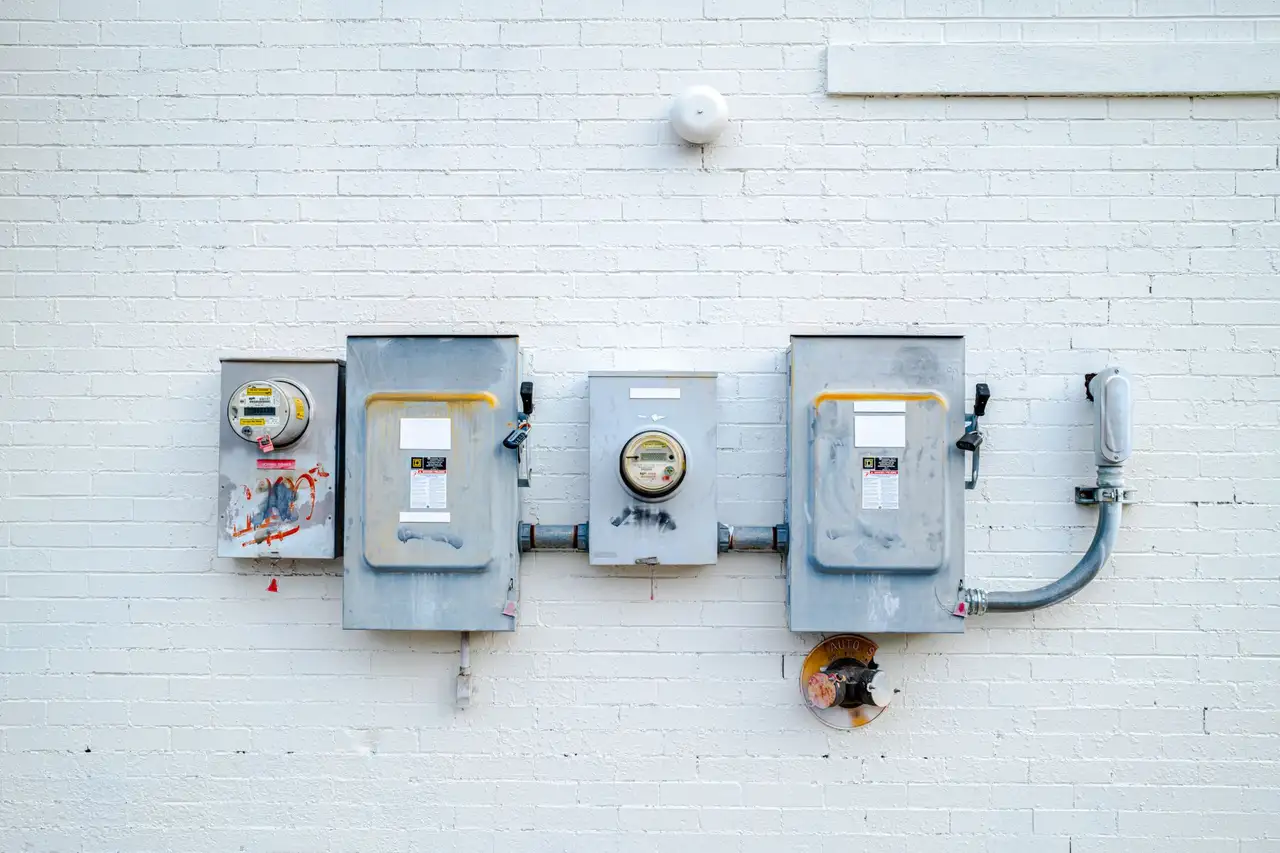
If you are comparing the cost to make electrical panel solar ready in Rocky Mount NC, the biggest variable is whether the meter base and service entrance cable also need replacing. We check all of it in one visit.
Downtown Rocky Mount: Older commercial and residential buildings with service equipment that often predates modern grounding requirements. Many need a full panel and meter base replacement before solar.
West Haven: Mid-century homes with 100-amp panels and limited breaker space. A 200-amp upgrade is usually the fastest path to a solar-ready service.
Birchwood: A mix of rural and suburban properties where service drops run long. We check voltage drop and conductor size before sizing the panel.
Rocky Mount Mills: Historic mill buildings converted to residential and commercial use. Three-phase service and 400-amp panels are common requests for solar and shop loads.
Summer heat and heavy HVAC load: Air conditioners push continuous current through the panel for months. We size the bus with the HVAC running so the solar backfeed does not push the total past the 120% rule.
Older homes with fuse boxes: Fuse boxes cannot accept a solar breaker. We replace them with modern panels and bring the grounding and bonding up to NEC 2020 or NEC 2023 in the same visit.
IllustrativeThe thermal view is generated from the photograph. It is not a measurement. Drag the handle, or use the arrow keys once it is focused.
100-Amp Fuse Box to Solar Ready
Before: A 1962 ranch in Mill Village had a 60-amp fuse box, cloth wiring at the service, and no grounding electrode. The homeowner's solar installer would not schedule the array until the service was replaced.
After: We installed a 200-amp Square D panel with a 225-amp bus, replaced the meter base, and ran new grounding wire. The solar breaker went in with two spare slots. The inspector signed off in one visit, and the array was tied in nine days later.
Check breaker lugs once a year with a torque screwdriver and keep the panel directory updated if you add circuits. A quick visual check for rust or heat discoloration at the main breaker is worth doing each spring.
Full Panel Cleared for Battery
Before: A West Haven home had a 200-amp panel with every breaker slot filled and a double-tapped breaker feeding the garage. The owner wanted solar plus a battery backup but had nowhere to land the new circuits.
After: We replaced the panel with a 225-amp bus unit, separated the double-tapped circuit, and installed a solar breaker plus a dedicated battery feed. Two spare slots remain for future loads. The combined solar and battery inspection passed on the first try.
Label any new circuit as soon as it is added, and have the battery breaker torque checked after the first year of operation. Keep the area around the panel clear for airflow.
Commercial 400-Amp Solar Upgrade
Before: A small commercial building near Rocky Mount Mills ran a 200-amp three-phase panel with a rusted meter socket. The owner wanted a rooftop array plus shop equipment, and the utility flagged the service during the interconnection review.
After: We installed a 400-amp panel, replaced the meter socket with a Milbank unit, and coordinated the utility disconnect and re-seal. The solar breaker and shop subpanel were labeled and inspected. The interconnection was approved without corrections.
Schedule an annual infrared scan of the main lugs and check the meter socket seal after any utility work. Keep the panel room dry and free of stored materials.
Panel Problems That Block Solar
Solar installers walk away from panels that cannot handle the backfeed. These are the issues we see most often in Rocky Mount homes, and how we clear them so your project can move forward.
100-amp panel no slots100-amp panel with no spare breaker slotsYour solar contractor cannot legally tie in the inverter, and the utility will not approve the interconnection until the service is upgraded. We replace the 100-amp panel with a 200-amp load center and a 225-amp bus, install the solar breaker, and handle the permit so the array can interconnect on schedule.
Double-tapped breakersDouble-tapped breakers in an older panelTwo circuits sharing one breaker lug cause overheating, nuisance tripping, and a failed inspection that stalls the solar project for weeks. We separate the circuits, install the correct breakers, and torque every lug to spec. If the bus is damaged, we replace the panel rather than patch a hazard.
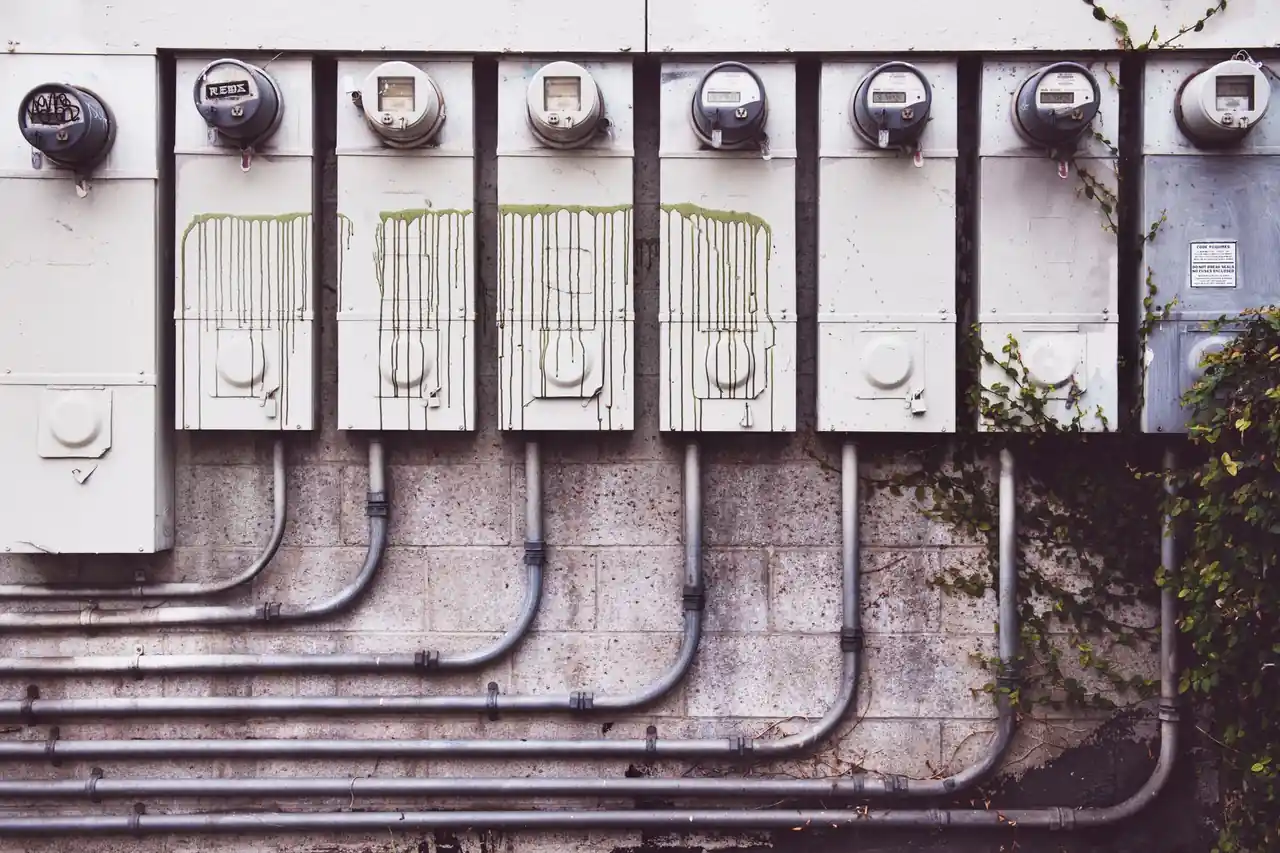
Rusted panel and socketRusted panel back or corroded meter socketMoisture damage inside the panel means the bus and lugs are compromised, and no inspector will approve a solar backfeed on rusted equipment. We replace the panel and the Milbank or Leviton meter base, seal the service entry, and bring the grounding up to code before the solar crew arrives.
Fuse box no main breakerFuse box with no main breakerA fuse box cannot accept a solar backfeed breaker at all, so the project stops before it starts and the homeowner loses the deposit window with the solar company. We swap the fuse box for a modern breaker panel, install the solar breaker, and correct any code issues in the same visit so the interconnection can proceed.
Why Go Solar Ready First
A correctly sized panel lets your solar array interconnect without delays.
Pass Inspection First Time
Nash County and City of Rocky Mount inspectors check busbar rating, breaker labeling, and grounding before they approve a solar interconnection. We build to NEC 2020 and NEC 2023 requirements so your solar contractor is not sent back for a re-inspection that adds two weeks to the job.
Room for Future Loads
A 200-amp panel with a 225-amp bus leaves space for a solar breaker, a battery backup circuit, and an EV charger. Homeowners in Westridge and Cobblestone who add all three later avoid a second panel swap because we planned the spare capacity up front.
Cleaner Grounding Path
We run proper grounding wire, torque every lug to spec with a torque screwdriver, and verify continuity with a multimeter before we close the cover, which keeps nuisance tripping out of your inverter.
One Contractor, One Permit
We pull the electrical permit for the panel work and coordinate with your solar installer's schedule. That means one inspection for the service equipment, one for the array, and no finger-pointing between trades when the utility asks who signed off on the meter socket.
What a written scope covers.
What a written scope covers and what shapes it. Prices are set by the business after the first look.
My solar installer told me my 100-amp panel would not pass, and I had no idea what that meant. Rocky Mount Electric Response explained the busbar rating, swapped in a 200-amp panel with a 225-amp bus, and handled the permit. The inspector signed off the same week the array went up. No delays, no surprise charges.
We had a fuse box in a 1960s house and wanted solar plus an EV charger. They replaced the whole service, upgraded the meter base, and labeled every circuit. The crew was here by 8 a.m. and had power back on before dinner. The solar company said it was the cleanest panel they had seen in months.
I manage a small commercial building and needed a 400-amp panel for a rooftop array. They coordinated with the utility, met the inspector twice, and kept my tenants informed the whole time. The paperwork was complete and the interconnection went through without a single correction.
Solar Ready Panel Questions
A straightforward 200-amp swap with a 225-amp bus sits near the lower end. If your meter base is rusted or the service entrance cable is undersized, expect the higher end. We give you a written number after the on-site load check.
It is a load center with enough busbar capacity and open breaker slots to accept a solar backfeed breaker legally under the 120% rule. In practice, that usually means a 200-amp panel with a 225-amp bus, a dedicated solar breaker, and clean labeling. It also needs a solid grounding path and a meter socket rated for the utility's interconnection.
The physical swap takes four to six hours for a standard residential panel. Add one to two weeks for the permit and inspection window, depending on the City of Rocky Mount or Nash County schedule. If your solar contractor is already booked, we time the panel work so both inspections land in the same week.
Not always. If you already have a 200-amp panel with a 225-amp bus and two open slots, you may only need a solar breaker and labeling. If you have a 100-amp panel, a fuse box, or a full breaker row, a solar ready panel upgrade Rocky Mount NC is the right move. We check busbar rating and available slots during the site visit and tell you which path applies.
We size, install, and permit solar ready panels across Nash County. Call (252) 809-7893 and we will ask for a photo of your current panel, then tell you whether you need a full swap or just a breaker and bus check.
Call us at (252) 809-7893 or send a message and we will get back to you the same business day. We answer the phone during normal hours and roll on emergency panel calls after hours. Tell us what the panel is doing and we will tell you what it takes to fix it.