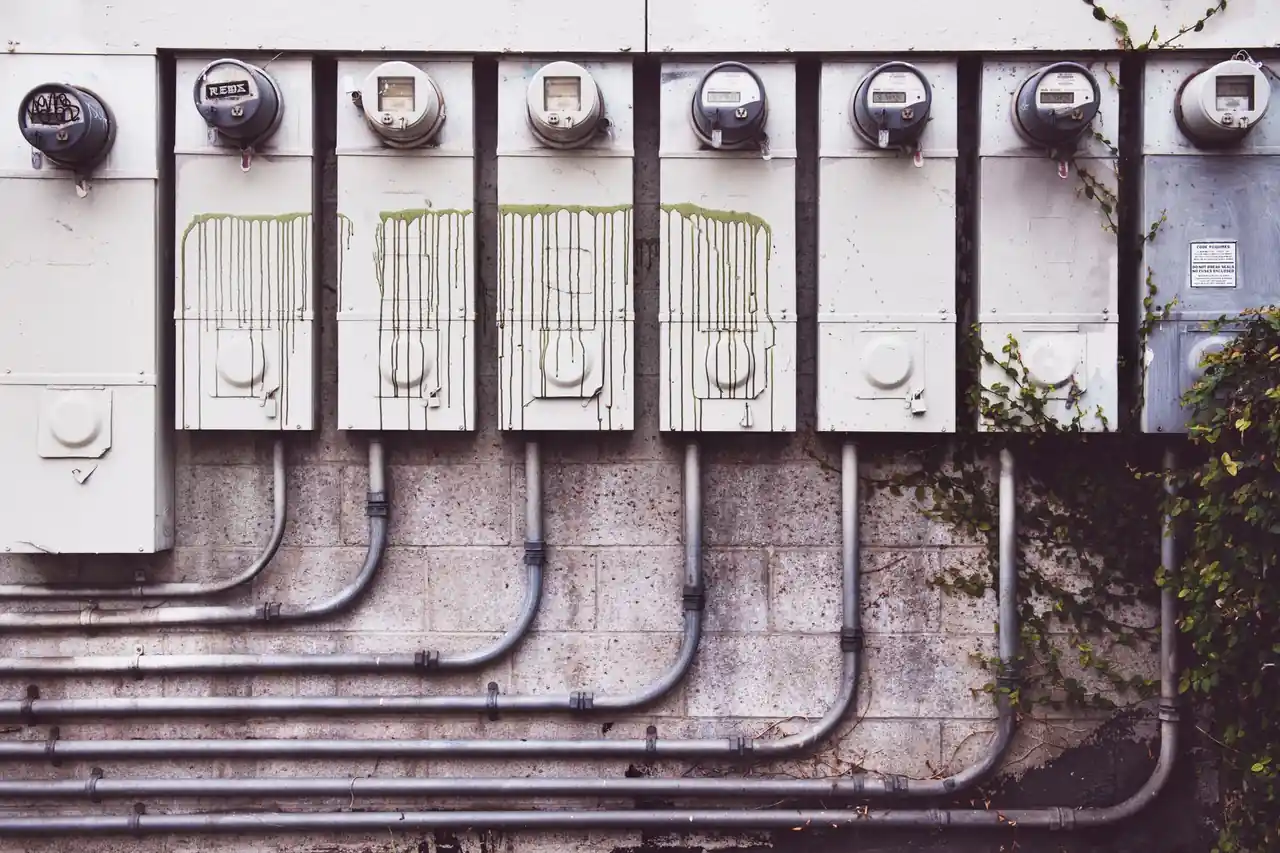
For homes
We move panels out of closets, kitchens, and damp crawlspaces for homeowners and renters. You get a dry, labeled panel that passes inspection.
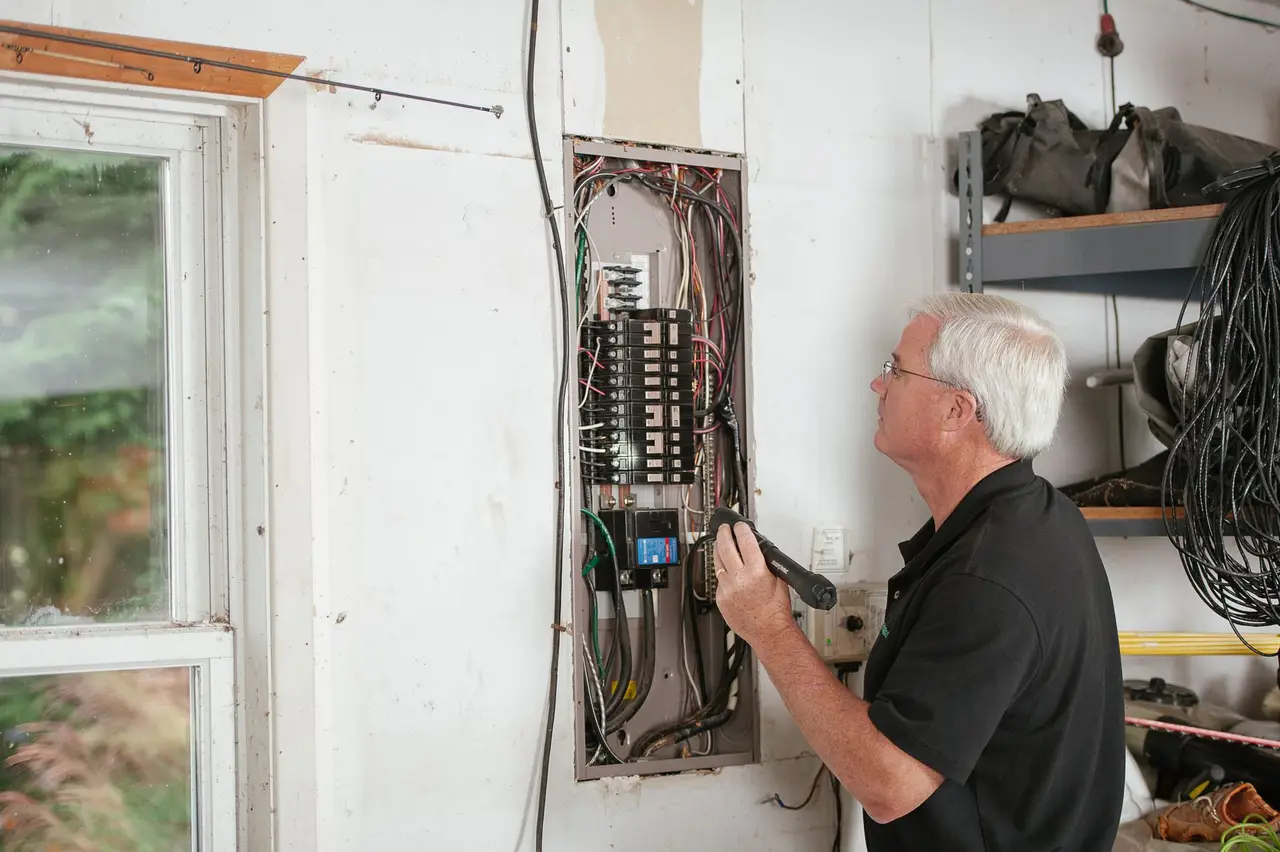
- Panel stuck in a closet
- Fuse box in the kitchen
- No room for an EV charger
Electrical panel relocation Rocky Mount NC is the job you call when your breaker box sits in a closet, bathroom, kitchen cabinet, or any spot that fails code or floods every storm. We move the panel to a dry, accessible wall, pull the permit, and pass inspection. Homeowners and landlords across Nash County call us because we work clean, explain every step, and leave you with a labeled, code-correct panel.
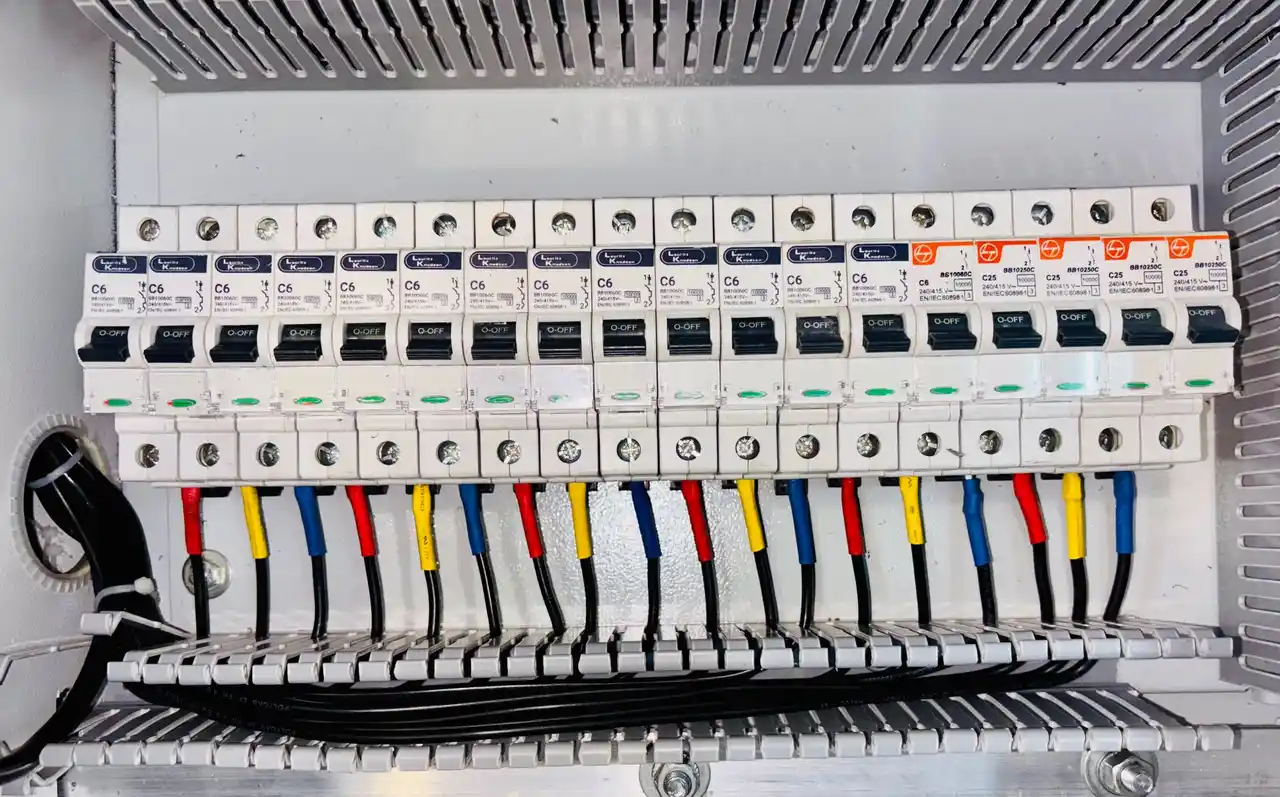
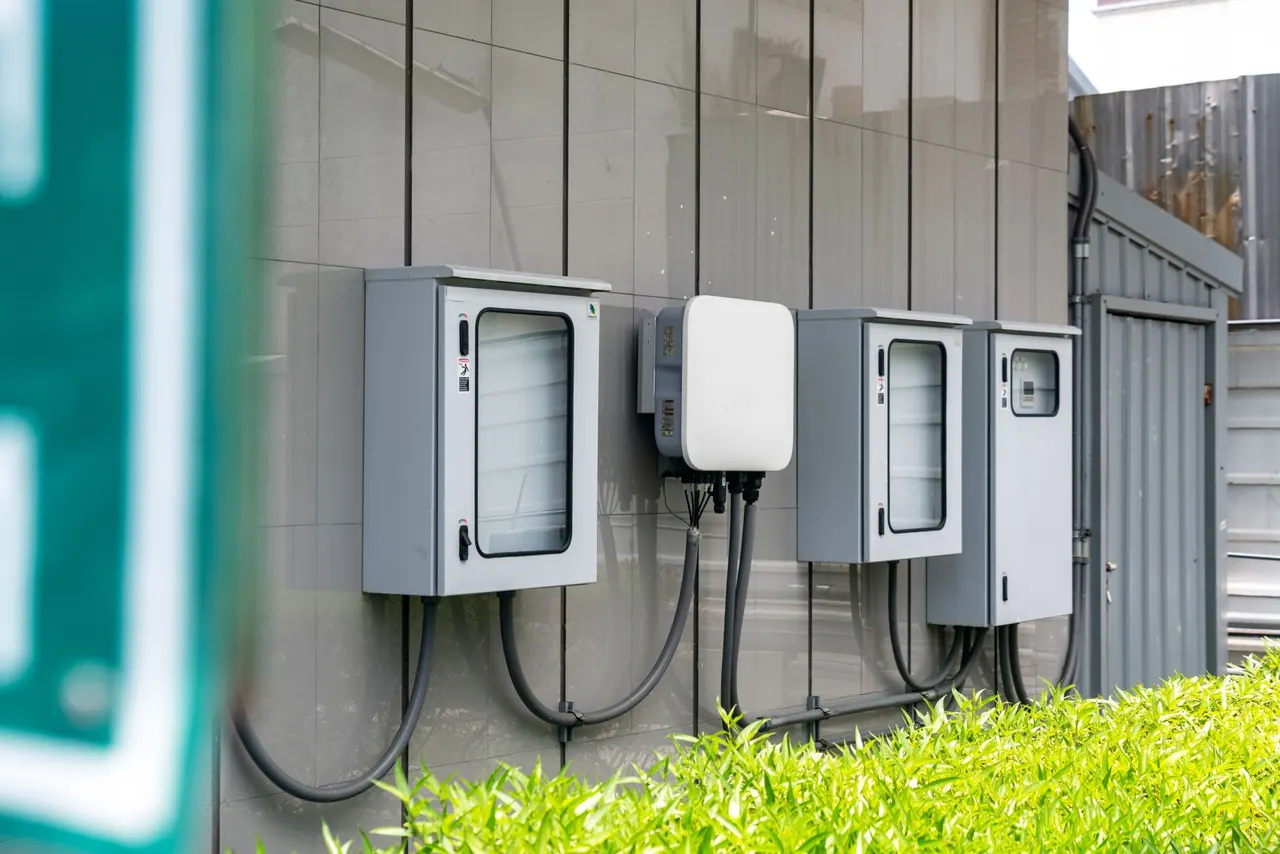 Verify power offMap every circuitTorque each lug
Every relocation we quote includes the permit, the new panel, the labor, and the inspection coordination. Add-ons like a service upgrade or generator interlock are priced separately so you can see exactly what you are paying for.
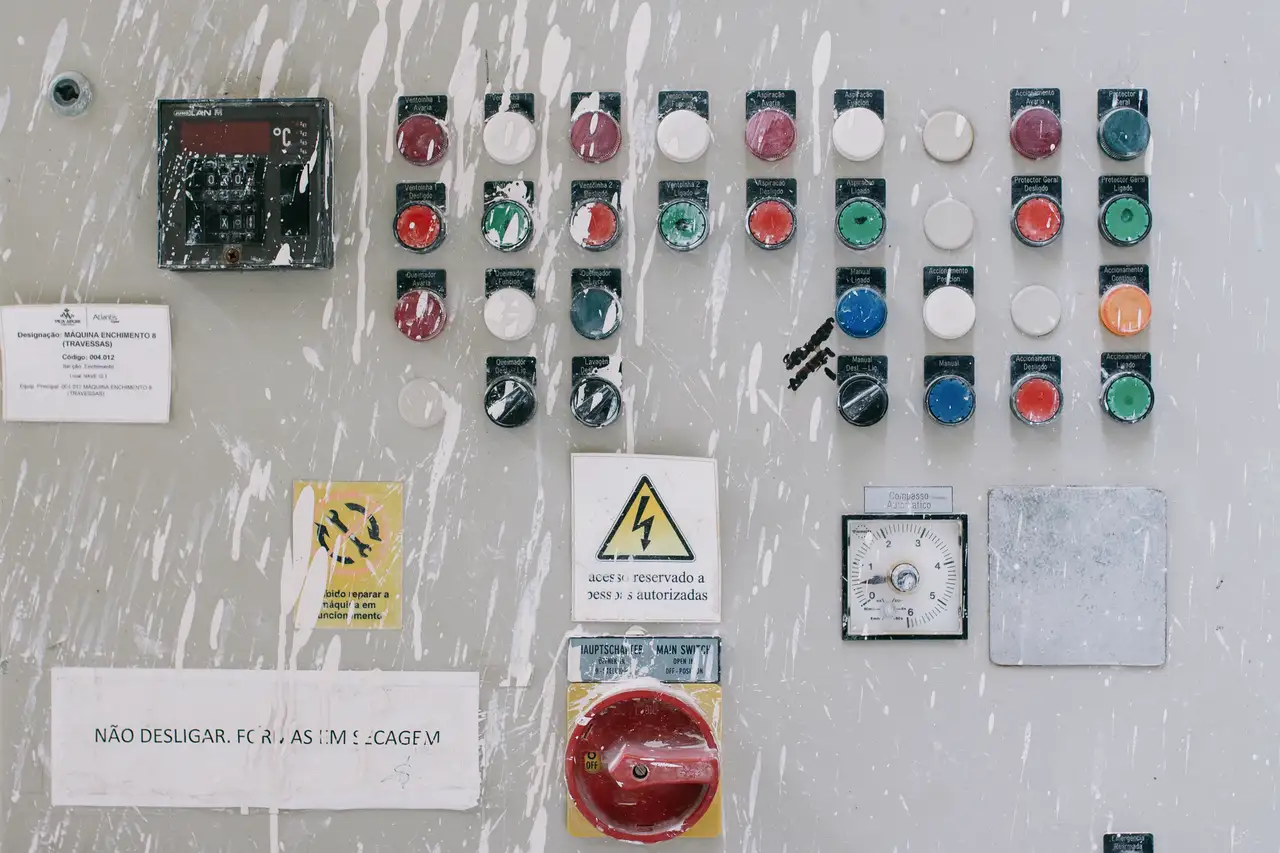
We pull the electrical permit, post it on site, and meet the inspector. You do not have to file paperwork or take time off work for the inspection. Corrections, if any, are covered at no extra charge.
The quote includes a new UL listed panel from Square D, Eaton, or Siemens plus the breakers your circuits need. We size the main breaker to your service and add GFCI or AFCI protection where the code requires it.
We run new service entrance cable and conduit from the meter to the new panel location. Old cloth or aluminum cable gets replaced, not reused. That is where most hidden problems live, so we do not cut corners there.
A proper grounding wire and electrode connection are part of every job. We bond the panel, the water line, and the gas line where required, then verify continuity with a multimeter. This is the part inspectors check first.
Every breaker gets labeled room by room, and we photograph the finished panel with the cover off. You get the photos by email for your records. That documentation answers most questions at resale.
We bag the old breakers, panel, and scrap wire and haul it off. Floors get swept and drop cloths come up before we leave. You should not be able to tell we were there except for the new panel.
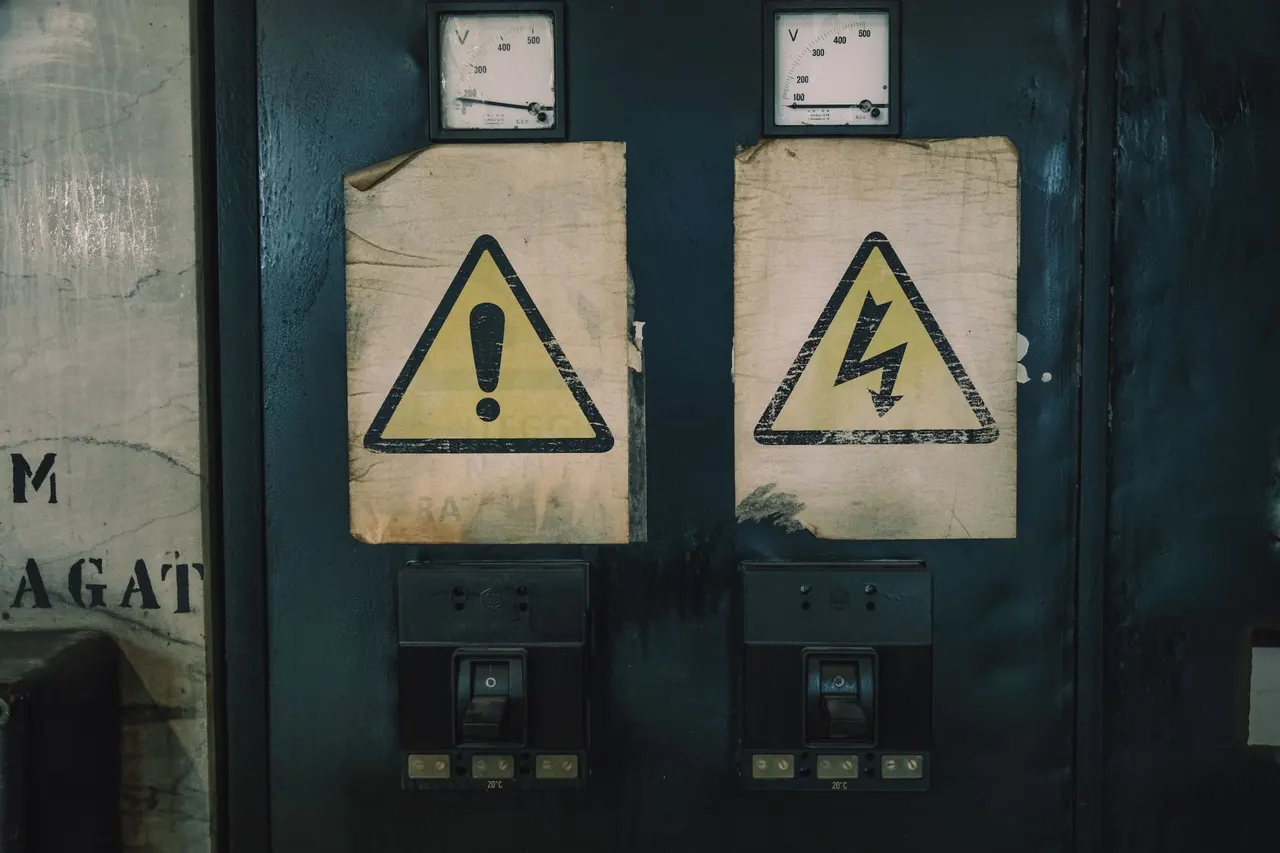
The approach is the same for a home and a business. What changes is the access, the schedule and who needs the paperwork.
We move panels out of closets, kitchens, and damp crawlspaces for homeowners and renters. You get a dry, labeled panel that passes inspection.
We relocate and upgrade panels for shops, offices, and rentals around Rocky Mount. Work is scheduled around your hours so you stay open.
A plain-language look at what Electrical Panel Relocation involves and when it is needed.
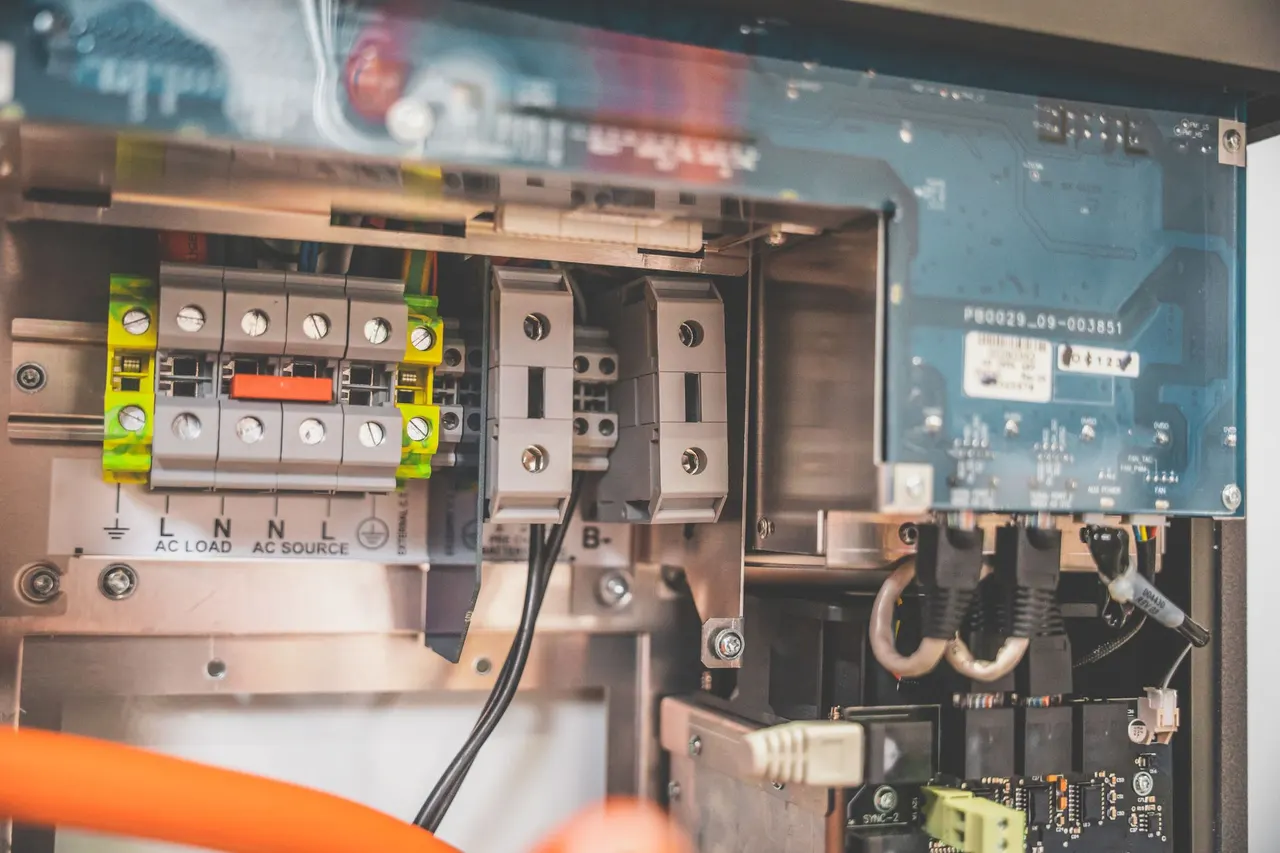
See how it worksElectrical panel relocation Rocky Mount NC means moving your main breaker box from one wall to another, then rebuilding the service connections so everything still works. We kill power at the meter, disconnect the old panel, run new service entrance cable and conduit to the new location, mount the panel, land every circuit, and torque each lug to spec. Most homes need a new meter socket and grounding wire too. The work is permitted, inspected, and done to NEC 2020 and NEC 2023 standards.
Most Rocky Mount homes were wired before 1980, and plenty still have the original panel buried in a hallway closet or a back bedroom. When you finish a basement, convert a garage, or add a heat pump, that old spot stops working. We also see rusted panels after storm flooding near the Tar River and overloaded panels from window units running all summer. If you need a panel move Rocky Mount NC, we scope it, price it, and schedule it fast.
A panel belongs on a dry, accessible wall with clearance and a clean ground.
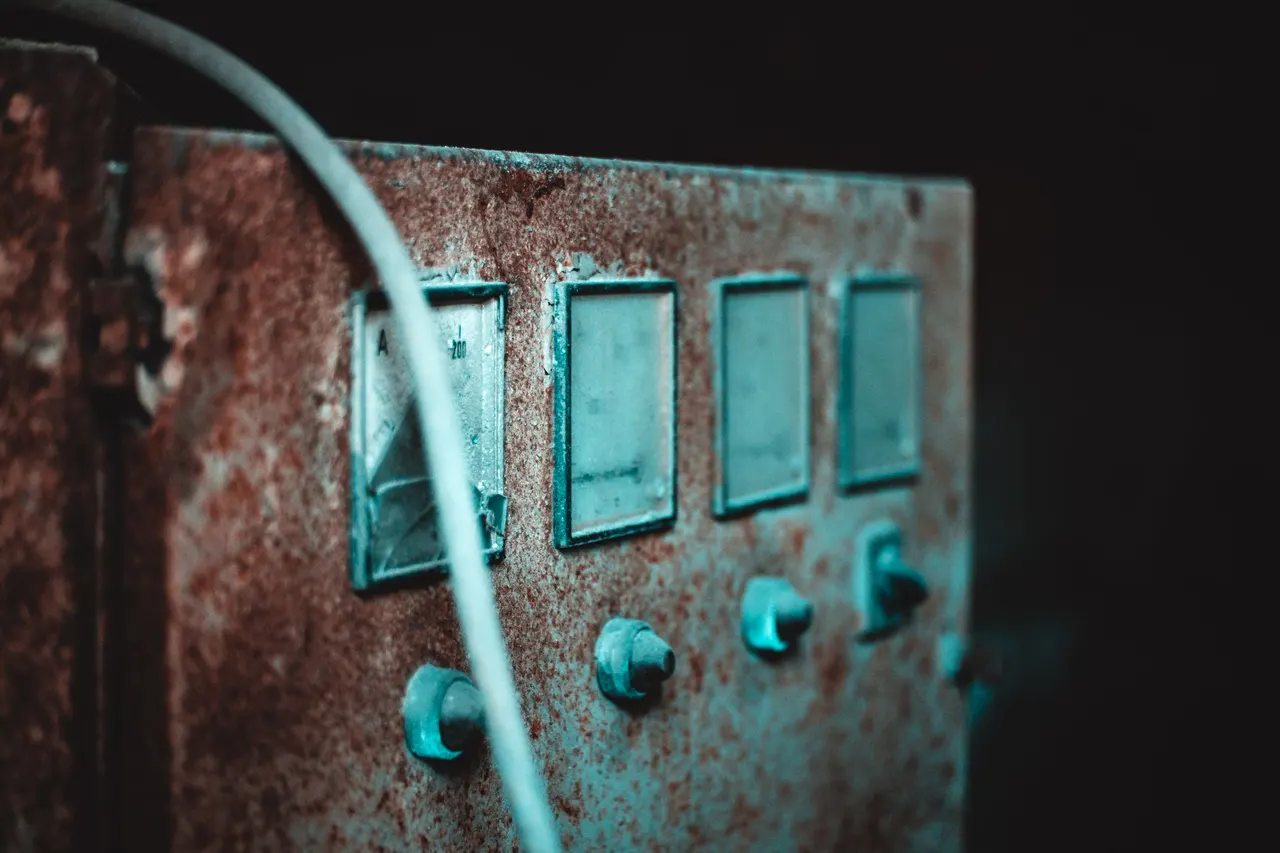
We keep the job predictable: one walkthrough, one written scope, one inspection. Here is exactly what happens from the first call to the final breaker test.
We walk your home, check the meter socket, trace the service entrance cable, and photograph the existing panel. You get a written scope with the new location, permit cost, and a firm price. Most assessments take 30 to 45 minutes.
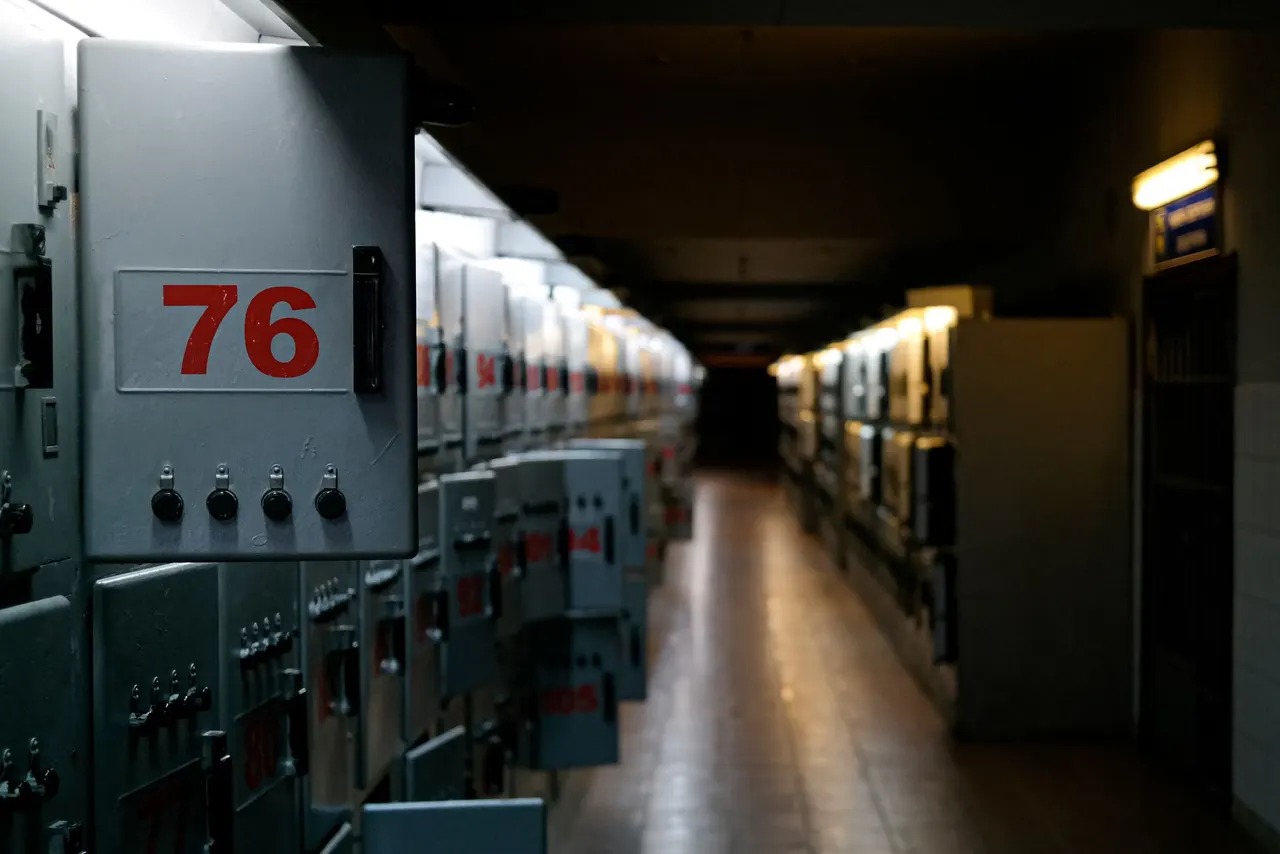
We pull the electrical permit from Nash County and schedule the disconnect with your utility. You get a text the day before with an arrival window. Typical lead time is three to seven business days, and we handle all the paperwork.
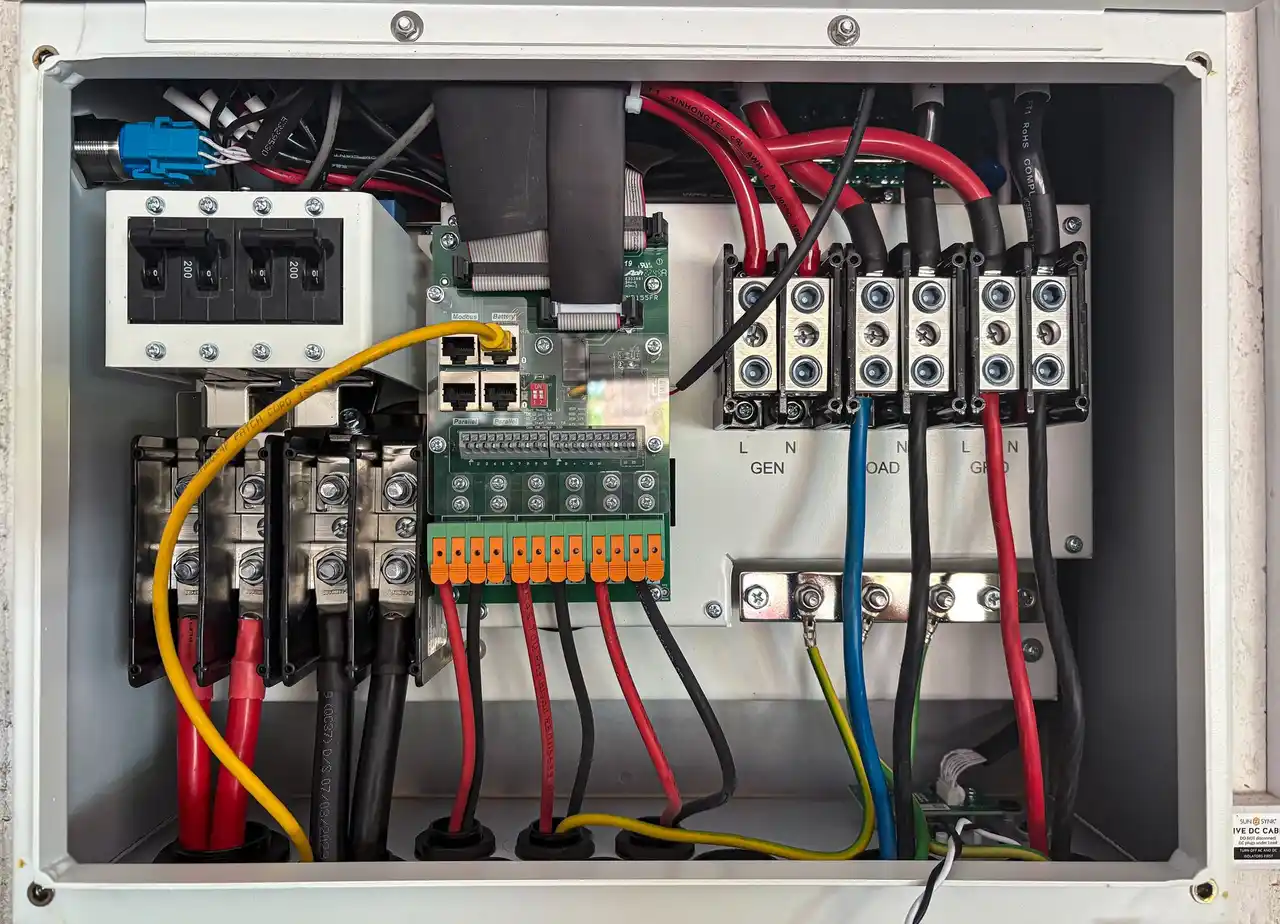
On install day we kill power at the meter, verify with a voltage tester, and remove the old panel. Floors get drop cloths, and we bag every old breaker and screw. Power stays off four to six hours on a standard residential move.
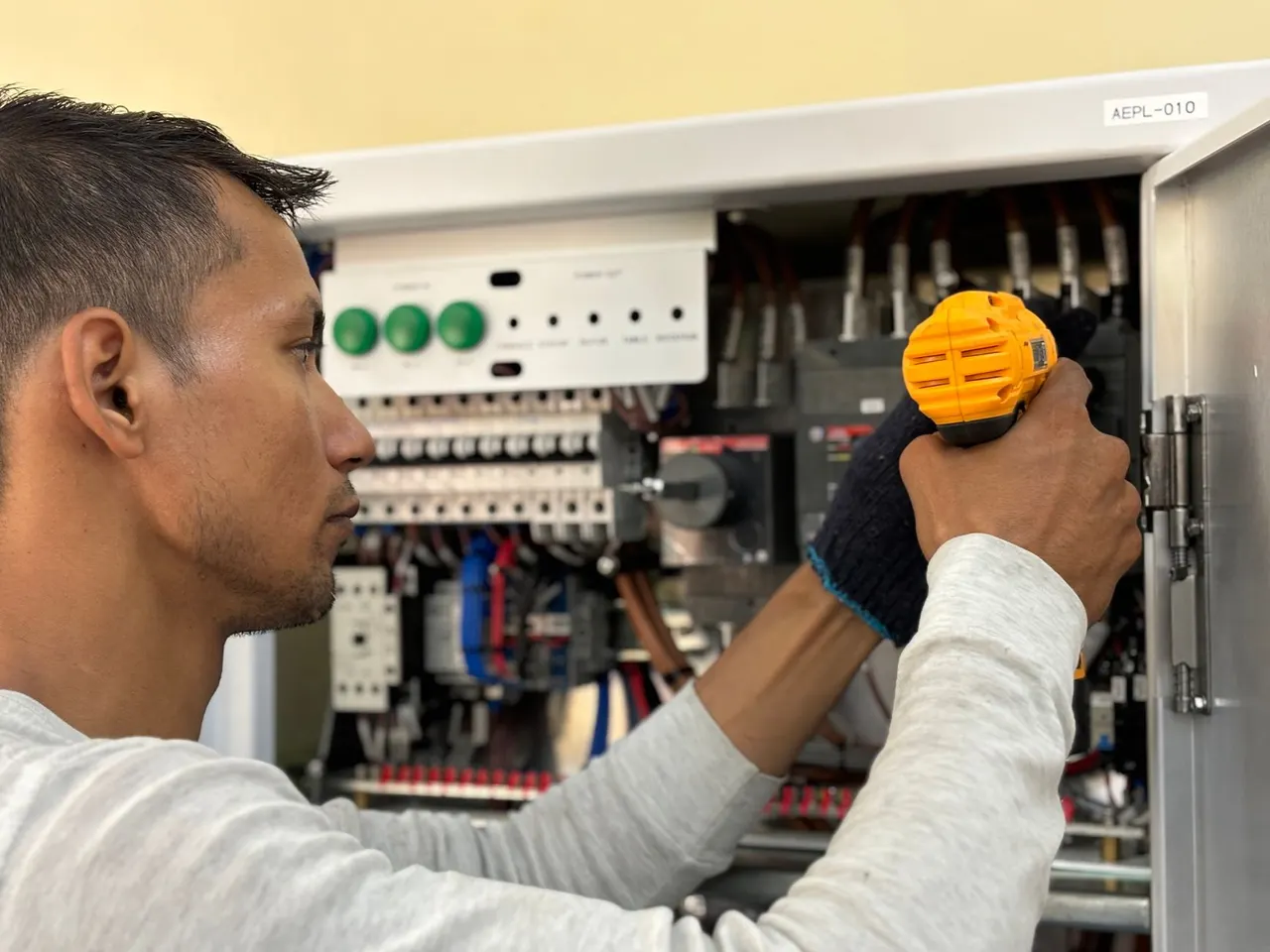
We mount the new panel, run conduit and service entrance cable, install the meter socket, and land every circuit. Each lug gets torqued with a torque screwdriver to the manufacturer spec. Breakers are labeled room by room before we close the cover.
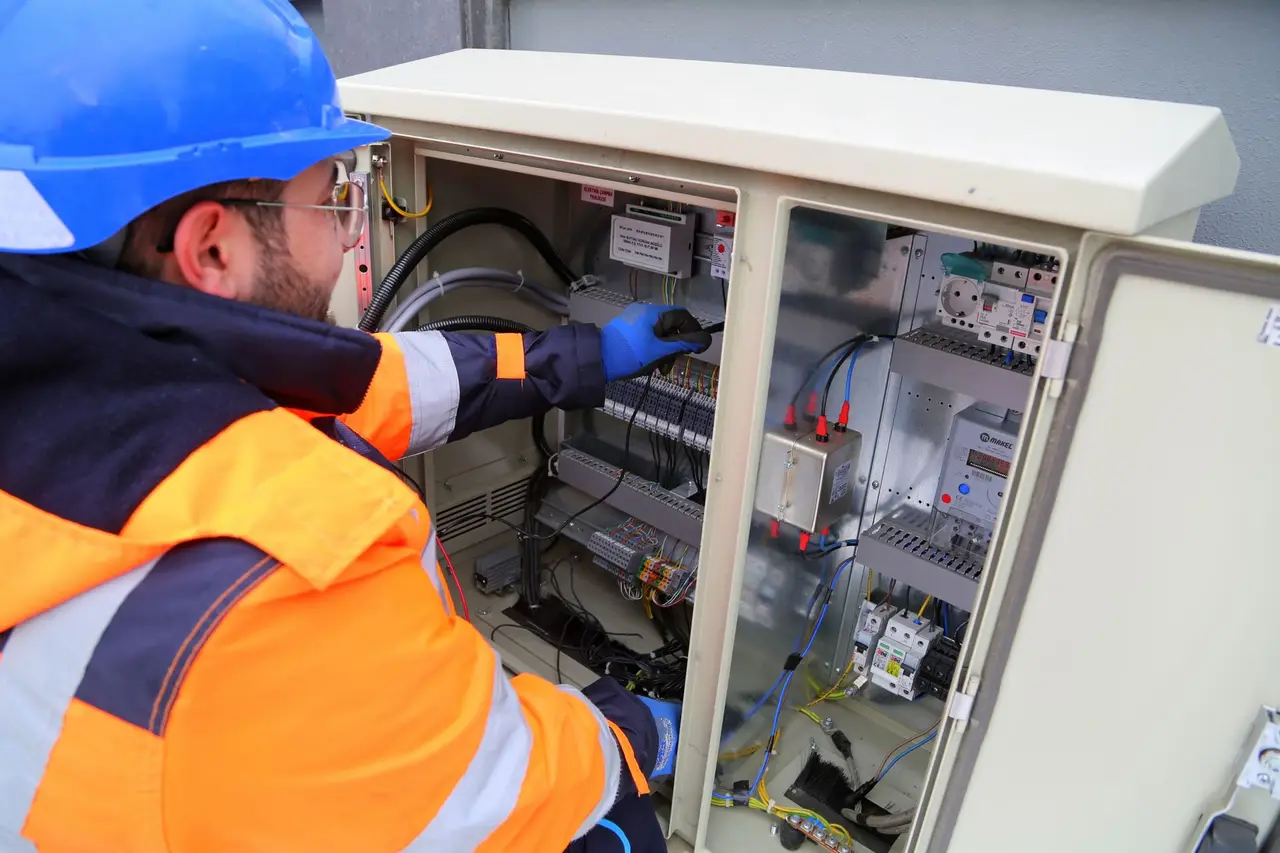
The county inspector signs off, the utility reconnects, and we test every circuit with a multimeter and clamp meter. You get a labeled panel, a photo record of the work, and a walkthrough of what changed. Most jobs wrap in a single day.
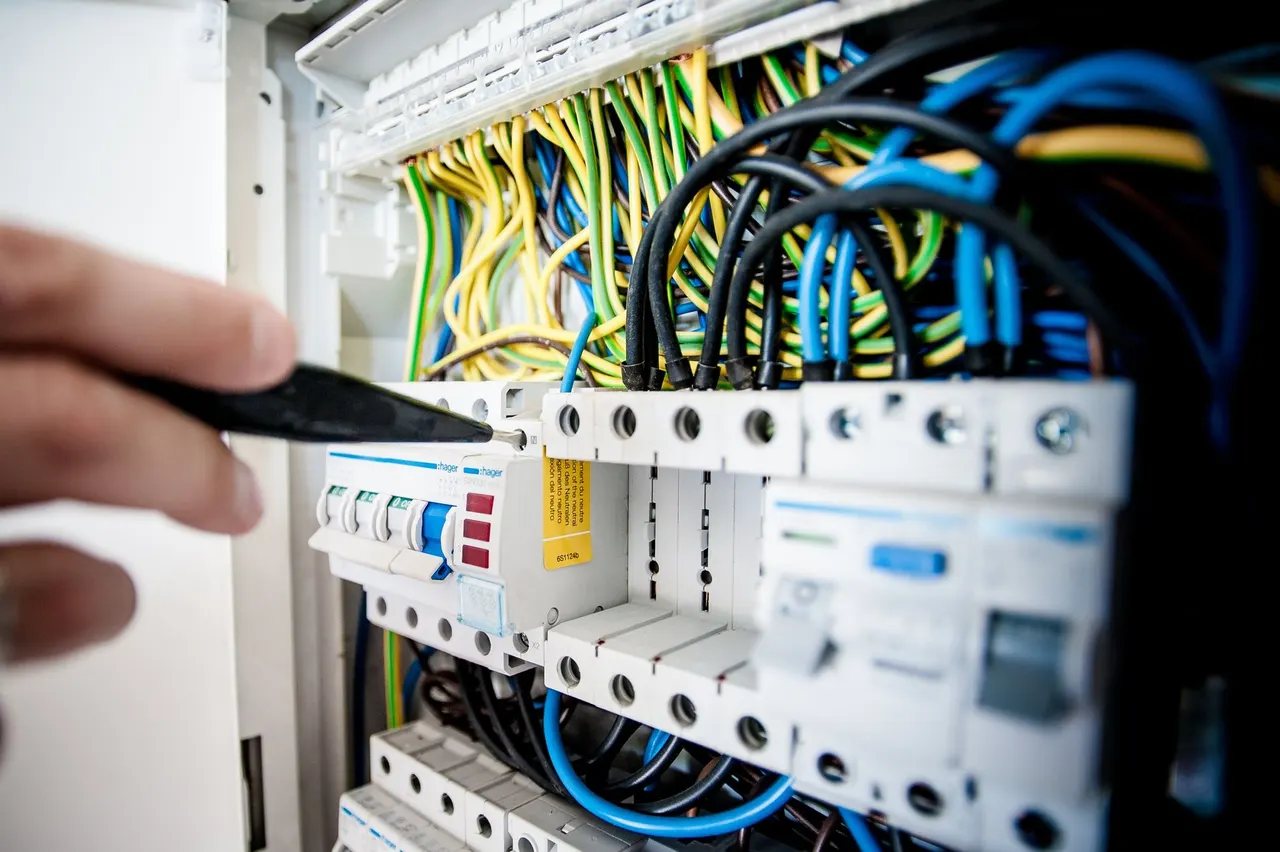
Move across a circle, or focus it and press Enter, for an illustrative thermal view of the photograph.
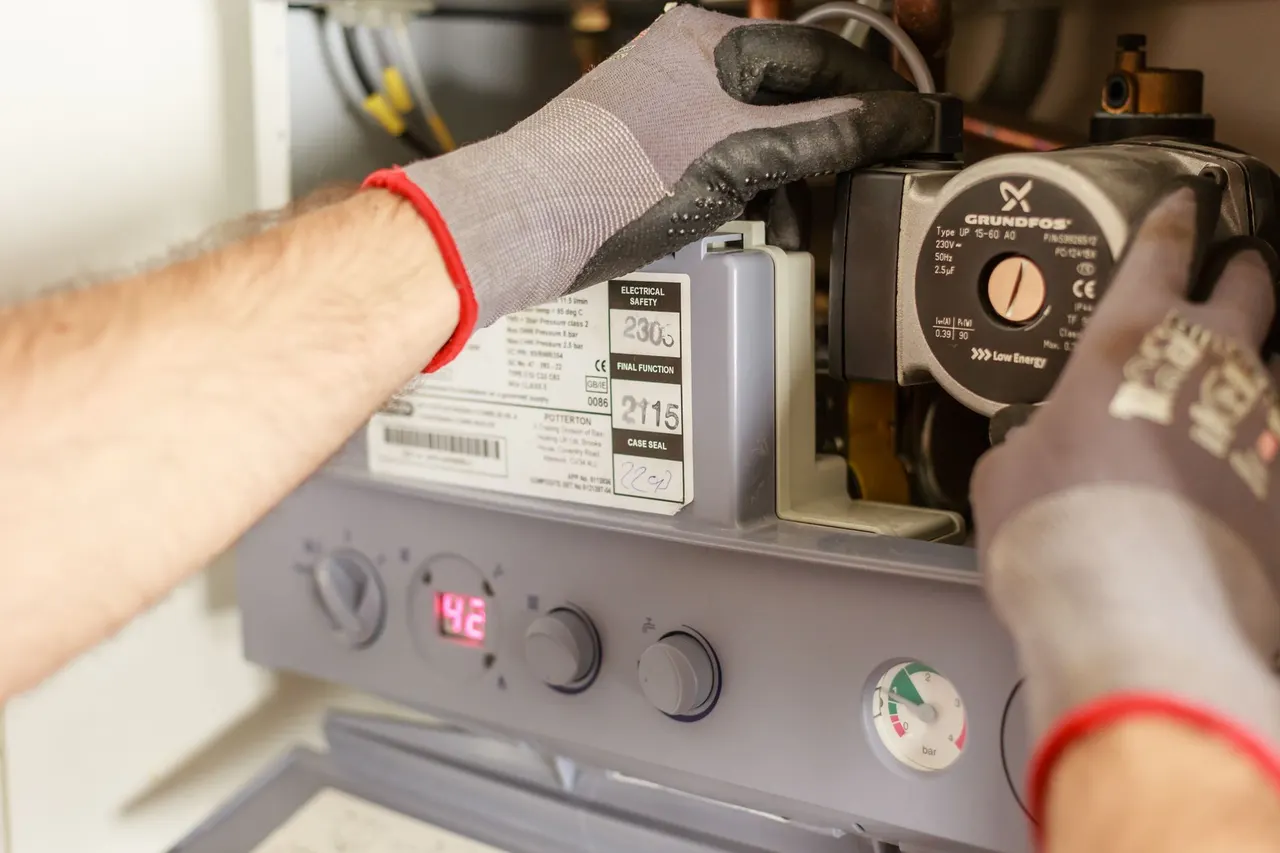
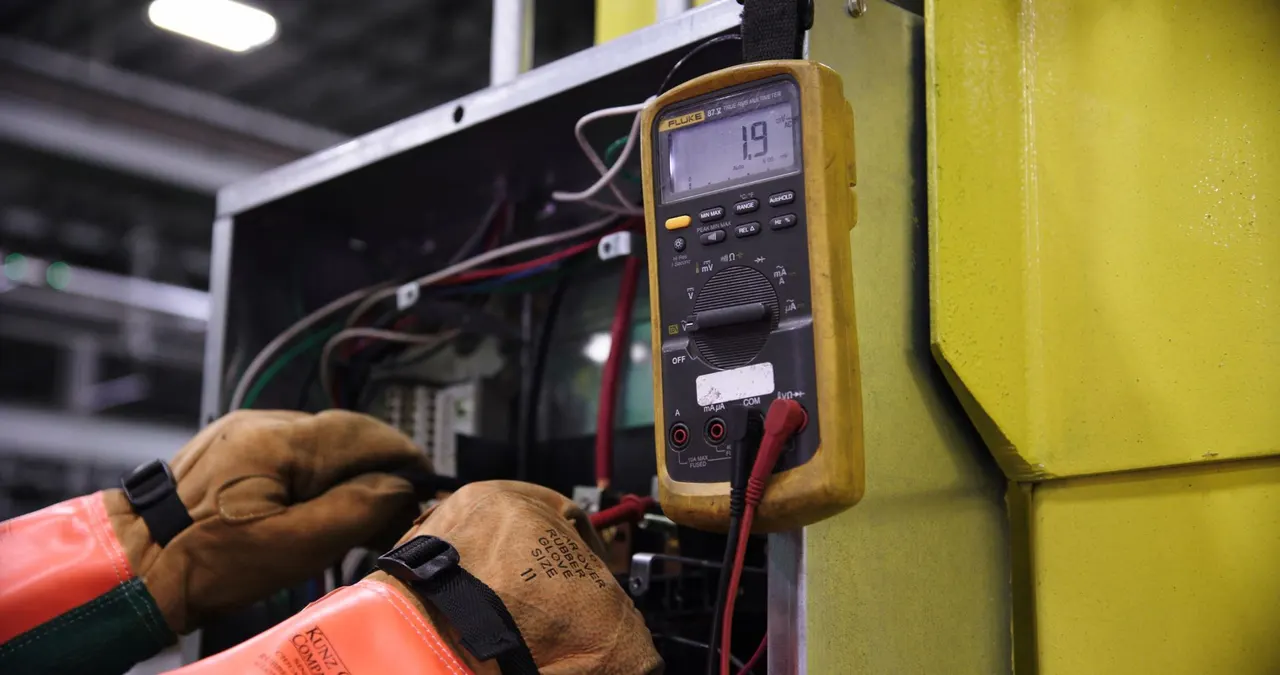
We verify dead circuits before touching anything and confirm proper voltage after power-up. Every circuit gets tested before we call the job done.
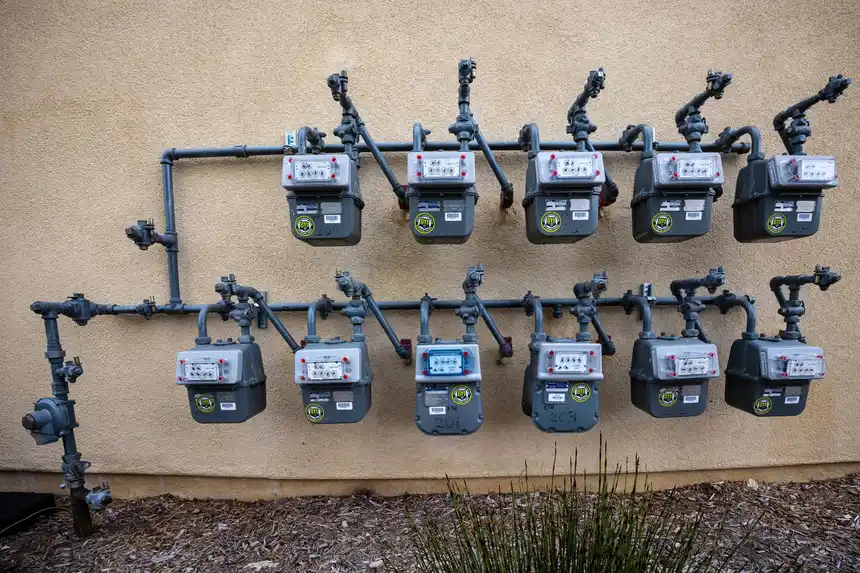
Used to measure actual load on the main and individual circuits. That tells us whether your service is sized right or needs an upgrade during the move.
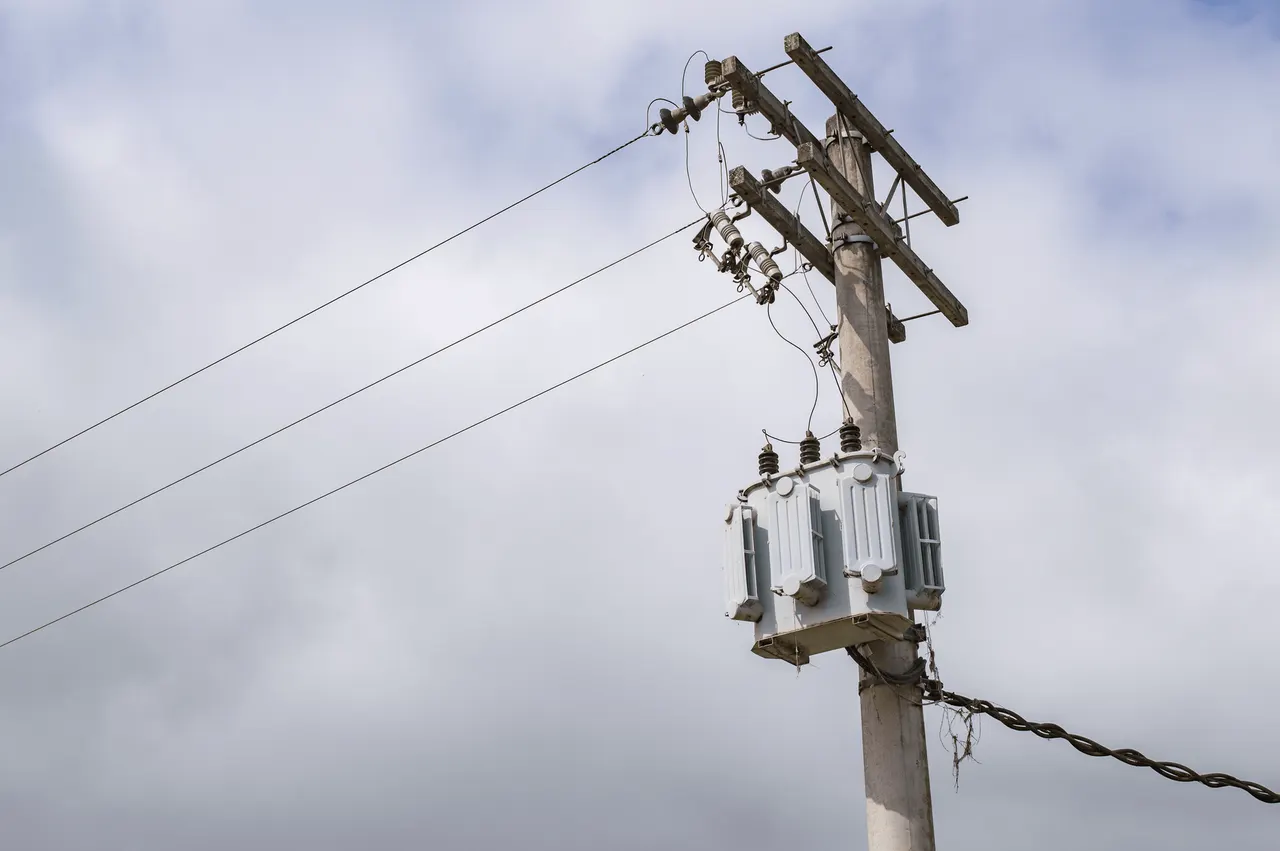
Every lug on the panel, meter socket, and main breaker gets torqued to the manufacturer spec.
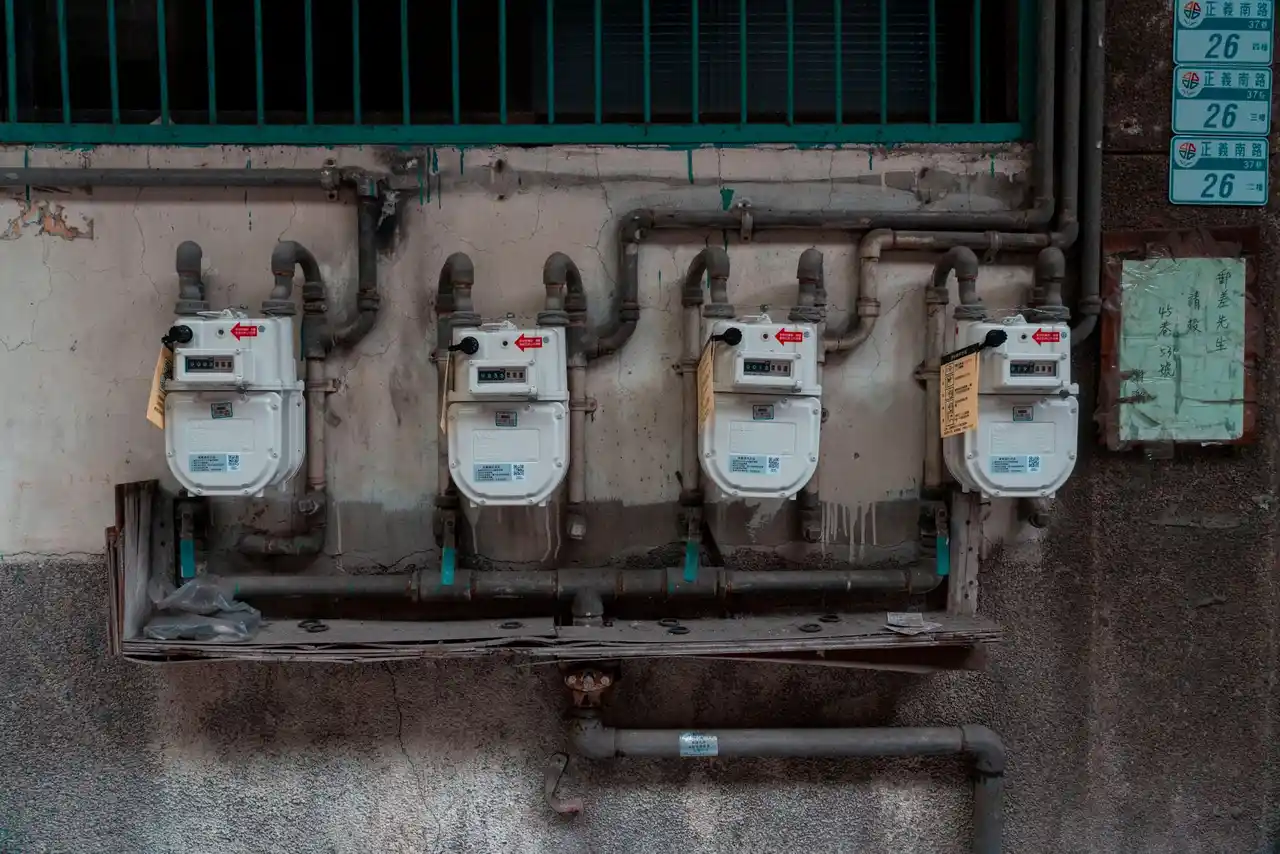
Lets us map every outlet and light to its breaker without guesswork. That is how we label your new panel accurately room by room.
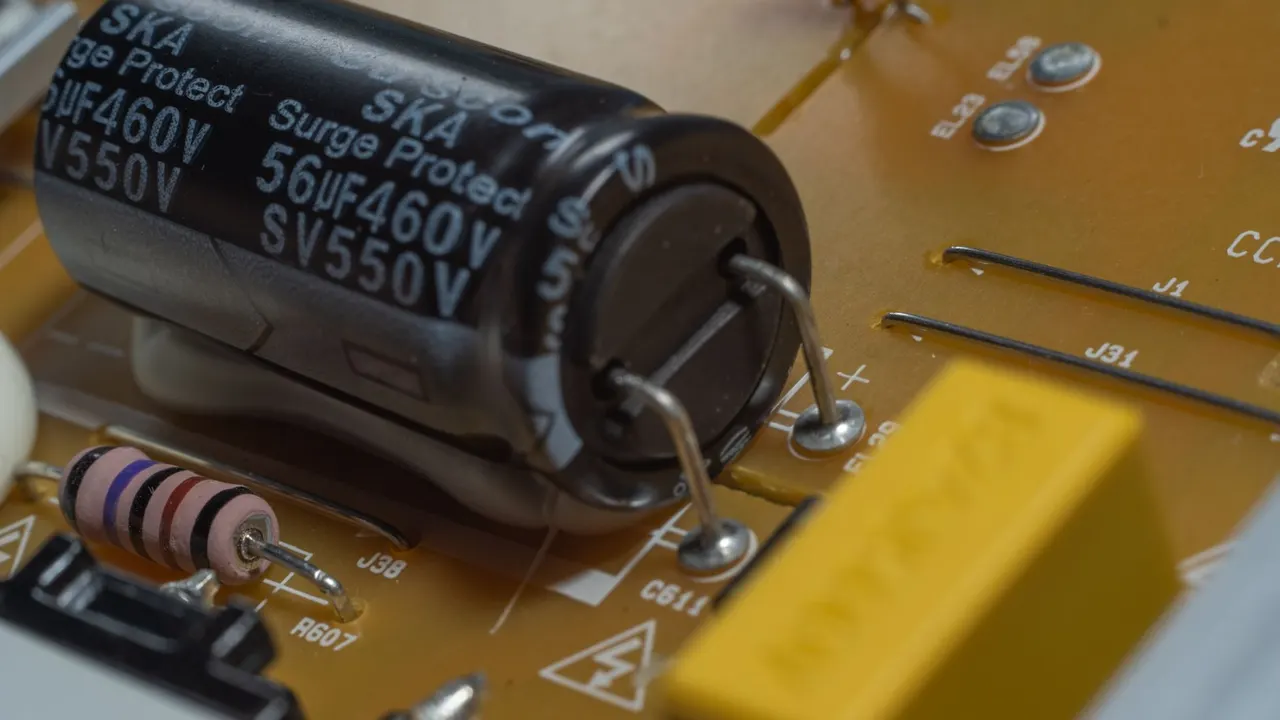
Used to run new service entrance cable through conduit without nicking the insulation. Clean pulls mean no hidden damage inside the wall.
Thermal views are illustrative, generated from the photographs.
OSHA-rated protection for any work near the live service drop or meter socket. Safety gear is not optional on service work.
We build every relocation to the current code cycle, including working clearance, grounding, and AFCI or GFCI requirements. Nash County inspectors check against these standards, so we build to them from the start.
Before we pick a panel size, we add up your existing loads plus anything planned, like an EV charger or heat pump. That calculation decides whether you stay at 100 amps or move up to 200.
We schedule the meter disconnect and reconnect with your utility so the power is off only when it needs to be. That keeps the outage window short and predictable for you.
We photograph the panel with the cover off, the grounding connections, and the finished labeling. You get the file by email, which is useful for insurance, resale, and future service calls.
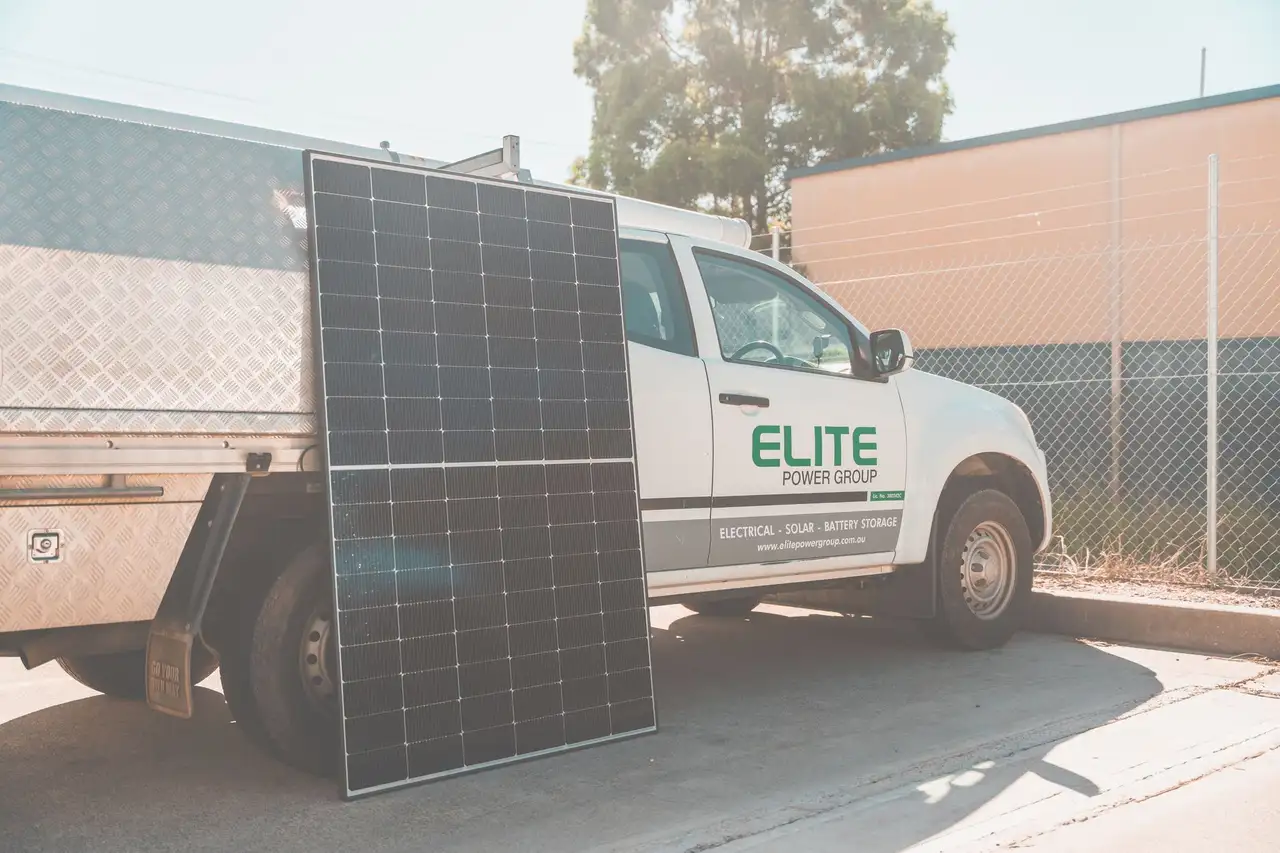
A homeowner in West Haven is finishing the basement and the panel sits in the middle of the new living room wall.
We move the panel to the utility corner, run new service entrance cable, and add the basement circuits on dedicated breakers. The wall gets framed clean and the panel ends up in a spot you can actually service.
Outcome: The basement finish passes inspection, the panel is labeled and accessible, and the homeowner gains a full wall of usable space.
A landlord in Mill Village has a rental with a fuse box in the kitchen and tenants who keep blowing fuses.
We replace the fuse box and relocate it to a hallway utility closet, install a 100 amp breaker panel, and add GFCI protection in the kitchen and bath. Tenants stay in place during the one-day install.
Outcome: No more blown fuses, the unit passes the county rental inspection, and the landlord stops getting 9 p.m. repair calls.
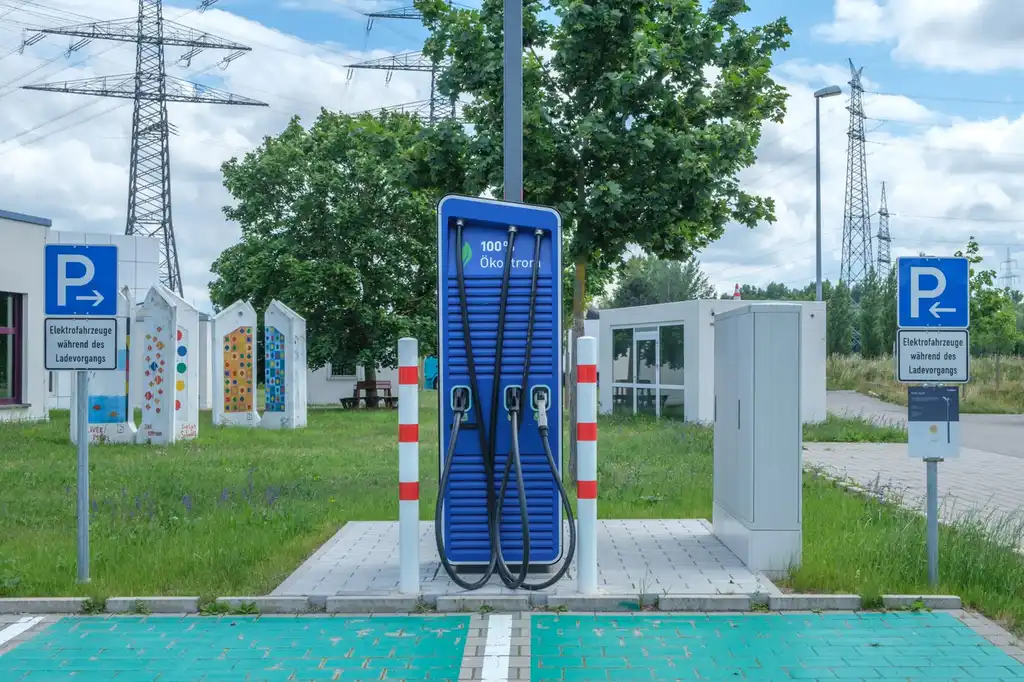
A family in Cobblestone buys an EV and the 100 amp panel has no spare space and sits in a hallway closet.
We relocate the panel to the garage wall and upgrade to 200 amps, then add a dedicated 240 volt circuit for the charger. The new location shortens the charger run and keeps the conduit tidy.
Outcome: The charger runs at full speed without tripping the main, and the panel is now in the garage where it is easy to reach.
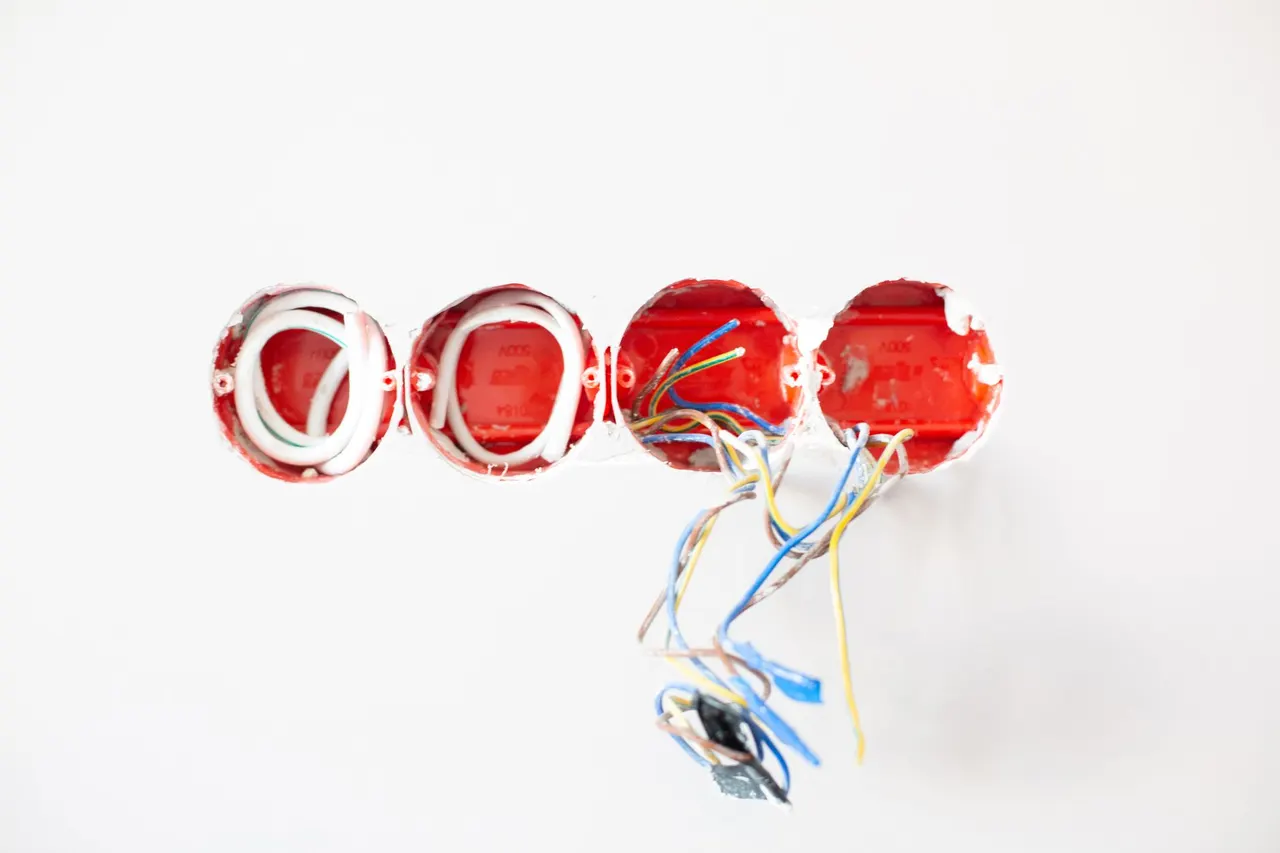
A homeowner near Rocky Mount Mills has a rusted panel after storm water got into the crawlspace.
We move the panel up to an interior wall, replace the meter socket and grounding wire, and install new breakers. We document the corrosion with photos for the insurance claim.
Outcome: The panel is dry, code-correct, and insurable again, and the homeowner has photo proof of the before and after.
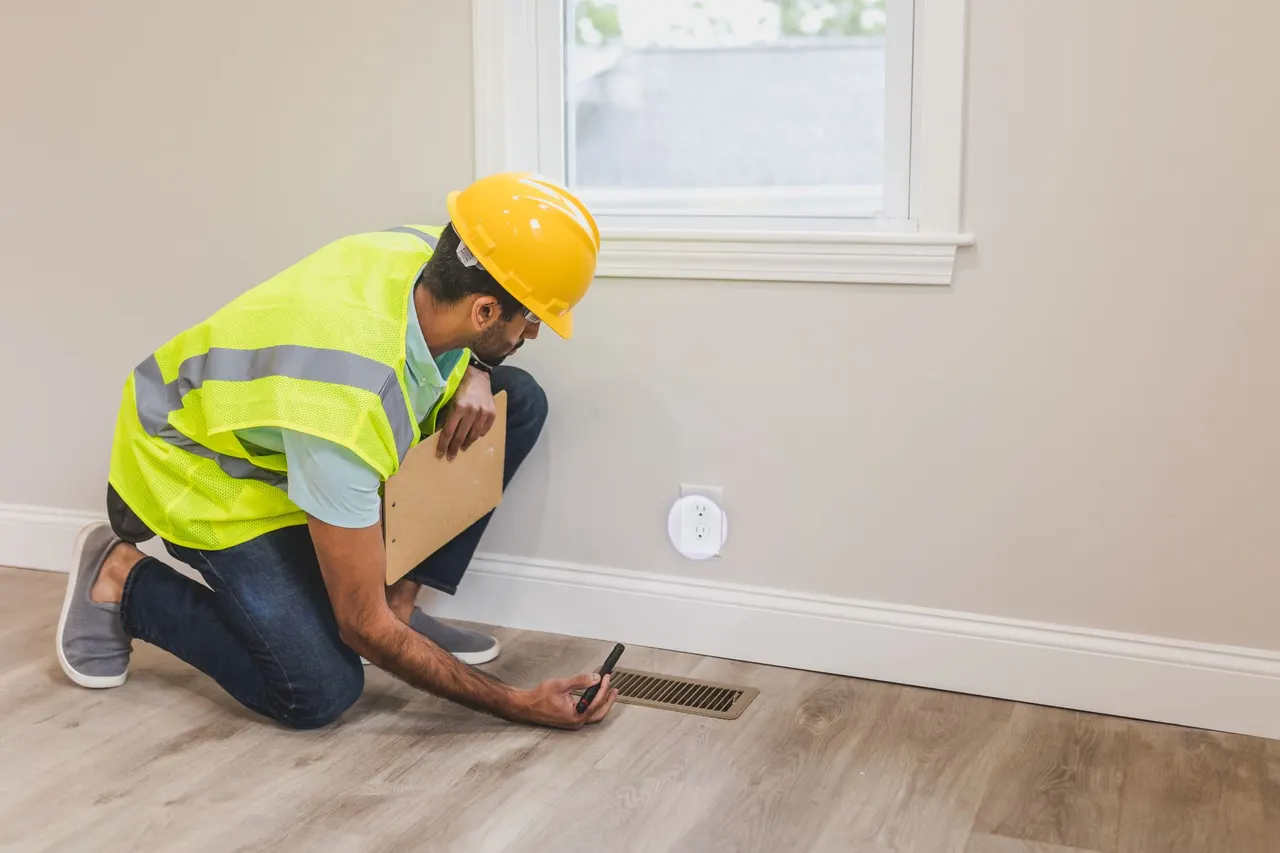
A small shop owner in Downtown Rocky Mount needs more capacity and the panel blocks a planned equipment wall.
We relocate the commercial panel to a back utility room and upgrade the service, keeping the shop open by working around business hours. Three-phase equipment gets its own breakers.
Outcome: The shop gains the wall for new equipment, the service handles the load, and the county signs off on the commercial inspection.
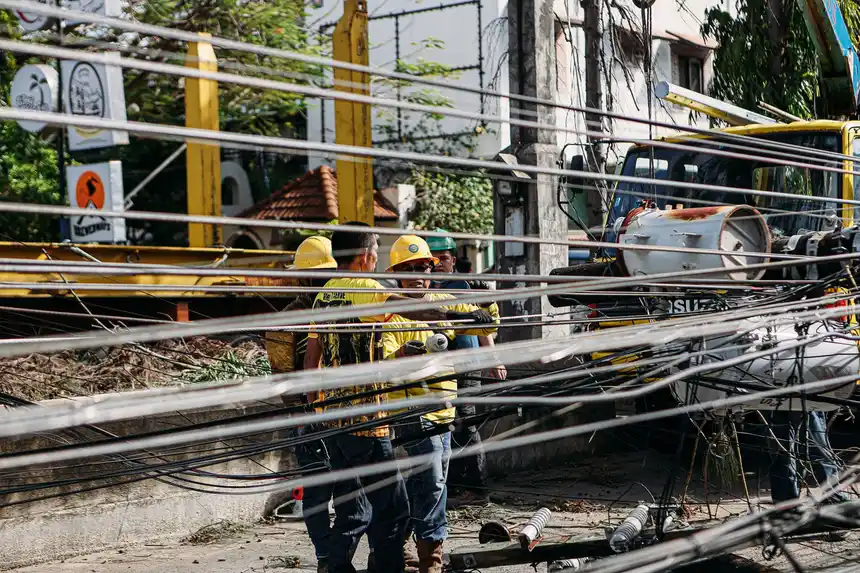
Rocky Mount sits in Nash County, and the housing stock tells the story. Mill houses near Rocky Mount Mills and Downtown often have 60 amp fuse boxes or early 100 amp panels tucked into closets. Newer subdivisions like Cobblestone and Windsor have 200 amp panels but sometimes in bad spots, like a hallway or a garage wall that floods.
Summer heat pushes window units and heat pumps hard, and storm flooding near the Tar River is a real threat to any panel at crawlspace level. When we quote electrical panel relocation in Rocky Mount North Carolina, we factor in the permit timeline, the utility disconnect, and whether the service entrance cable is cloth-wrapped or aluminum.
If you are planning electrical panel relocation for renovation Rocky Mount NC, we coordinate with your contractor so the framing, rough-in, and inspection line up. Most jobs finish in one day on site.
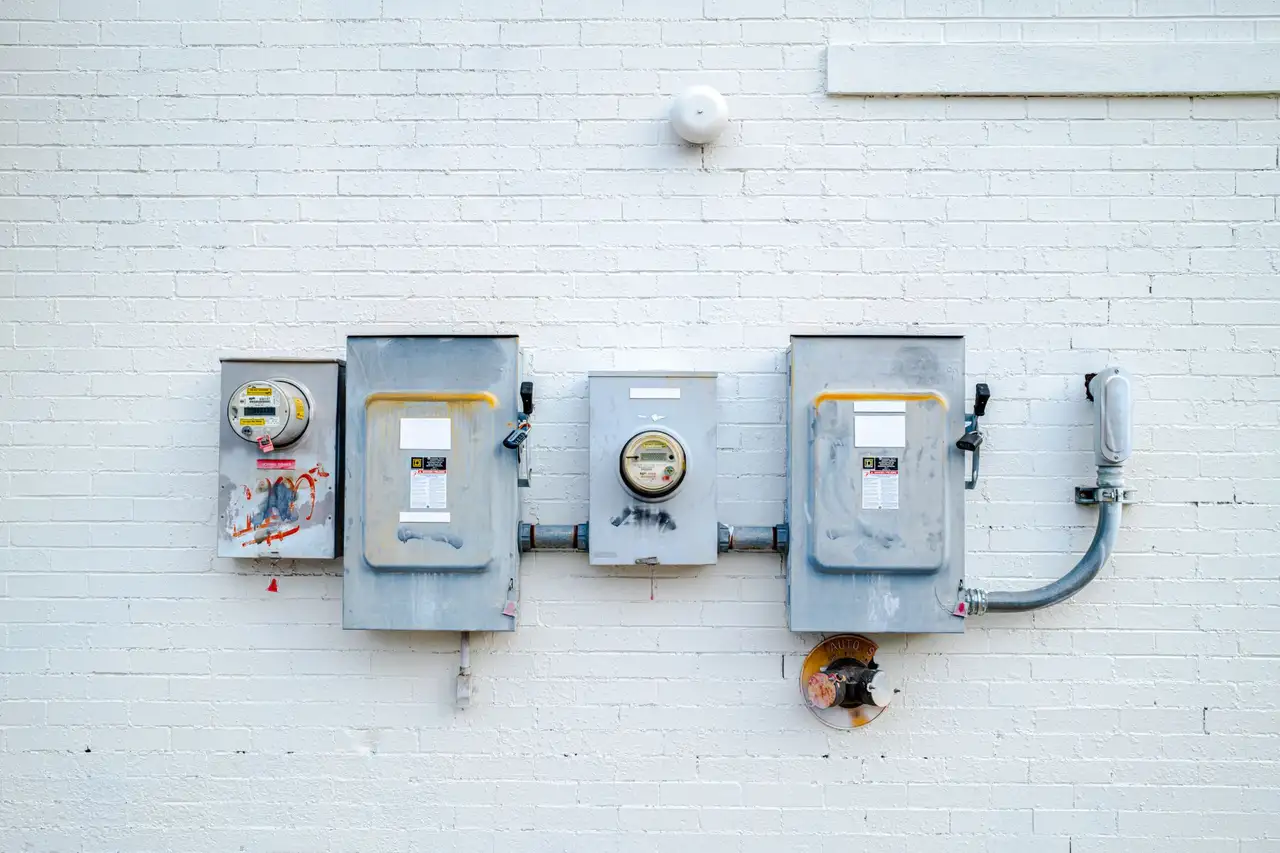
Before: A 1970s home in Englewood had the main panel inside a hallway closet. The door would not close over the breakers, and the county flagged it during a resale inspection. The service cable was original cloth-wrapped, and two breakers showed heat marks.
After: We moved the panel to the utility room, replaced the service entrance cable and meter socket, and installed a new 200 amp panel. Every circuit was labeled and torqued. The inspection passed the same day, and the closet became usable storage again.
Keep the area in front of the panel clear and have the lugs re-torqued every few years. We include a photo record so future electricians know exactly what was done.
Before: A Mill Village rental still had a fuse box in the kitchen with screw-in fuses and no GFCI protection. Tenants blew fuses weekly, and the county rental inspection was coming up. The meter socket was cracked and the grounding wire was loose.
After: We relocated and replaced the fuse box with a 100 amp breaker panel in a hallway utility closet. GFCI protection went into the kitchen and bath, and the grounding was rebuilt. The unit passed inspection and the fuse calls stopped.
Test the GFCI outlets monthly and keep the panel cover on. We label every circuit so the next repair is a five-minute job instead of a guessing game.
Before: A Cobblestone homeowner bought an EV but the 100 amp panel was in a hallway closet with no spare breaker space. The charger would have tripped the main every night. The service cable was undersized for the added load.
After: We relocated the panel to the garage wall and upgraded to 200 amps with a dedicated 240 volt circuit for the charger. The run to the charger is short and clean, and the main breaker holds steady at full charging speed.
Check the charger breaker for warmth once a month and keep the garage panel area clear. We re-torque the main lugs at the first annual check.
Most panel moves start with a real problem: a code violation, a flooded box, or a renovation that needs the wall. Here is what we fix when we relocate your panel in Rocky Mount.
A dry, labeled, code-correct panel you can actually service.
Panels in closets, bathrooms, or above kitchen counters fail inspection. We relocate the box to a code-compliant wall with proper clearance, then document the work for your permit file. That means fewer surprises at resale and no red tags from the county inspector.
A rusted panel near a crawlspace hatch or under a leaking window is a fire waiting to happen. Moving it to an interior wall keeps breakers dry through hurricane season. We also replace corroded grounding wire and any breaker showing heat marks while we are in there.
Kitchen remodels, garage conversions, and basement finishes all run into the same problem: the panel is in the way. Relocating it frees the wall and gives your electrician a clean spot to add circuits. We coordinate with your contractor so the schedule does not slip.
EV chargers, heat pumps, and shop tools pull more amps than older panels can feed. When we move the panel we can upgrade to a 200 amp service at the same time, so you are not paying twice for labor. One permit, one inspection, one clean install.
What a written scope covers and what shapes it. Prices are set by the business after the first look.
Included
Depends on
Clear records you can keep and share.
Panel documented with cover off
Every circuit named by room
Signed county inspection for your file
Calculation used to size the panel
Moving a panel changes its location. Replacing one changes the equipment. Many jobs need both.
Moving the panel to a new wall
Swapping the panel and breakers
Move and upgrade in one permit
A list like this tells people straight away whether you cover their street. Not listed? Call and ask: it only takes a minute.
Based in Rocky Mount and covering the places around it. Pick one for local details.
Distance from the meter, whether the service cable gets replaced, and a simultaneous amp upgrade all move the number. We give you a written price after the on-site assessment, so you know the total before we start.
Yes, and it is common. The catch is that the new location must meet NEC clearance rules, the work needs a Nash County permit, and the utility has to disconnect and reconnect the meter. We handle all three. Panels cannot sit in closets, bathrooms, or above kitchen counters, so we help you pick a wall that passes inspection.
A standard residential relocation takes one day, usually four to six hours of on-site work. Add time if we replace the service entrance cable or upgrade the meter socket. From your first call to final inspection, expect three to seven business days, mostly waiting on the permit and the utility disconnect.
No. You can stay home. Power is off four to six hours during the install, so plan around the refrigerator and any medical equipment. We schedule the disconnect early in the day when possible, and we tell you the exact window the day before so you can prepare.
Other services from the same team.
Call (252) 809-7893 and we will set a walkthrough, give you a written price, and pull the permit. We handle the utility disconnect, the inspection, and the cleanup. Most residential panel moves finish in a single day.
Call us at (252) 809-7893 or send a message and we will get back to you the same business day. We answer the phone during normal hours and roll on emergency panel calls after hours. Tell us what the panel is doing and we will tell you what it takes to fix it.